No image
In-store reference price
₹40
In-store dispensing only
This medicine is regulated and cannot be sold online in India. Visit a licensed pharmacy in person — details here are for awareness.
Before you take it
This medicine can cause dependence with prolonged use. Take only under medical supervision and do not stop abruptly.
Use with caution (generally not recommended); consult doctor
Breast feeding CONSULT YOUR DOCTOR
Avoid
Driving UNSAFE
Kidney CAUTION
Liver UNSAFE
Monograph
Drug | Tablet
Treatment of anxiety disorders, short-term relief of severe anxiety symptoms, panic disorder (with or without agoraphobia)
Alprazolam is a benzodiazepine that enhances the effect of GABA, a calming neurotransmitter in the brain. This reduces excessive nerve activity, producing anxiolytic and sedative effects.
Take exactly as prescribed by the doctor. Usually taken by mouth with or without food; take at the same time each day. Do not stop suddenly—dose should be tapered gradually to avoid withdrawal. Avoid driving or operating machinery if drowsy.
Drowsiness, dizziness, fatigue, impaired coordination, memory problems, confusion, headache, blurred vision, dry mouth, nausea, constipation
Risk of dependence, abuse and withdrawal (may be severe if stopped abruptly). May cause sedation, impaired alertness and falls—avoid driving/alcohol. Use with caution in elderly, liver disease, respiratory disease (COPD/sleep apnea), depression or suicidal thoughts, and history of substance misuse. Concomitant use with opioids or other CNS depressants can cause profound sedation, respiratory depression, coma or death. Not recommended for long-term continuous use unless advised by specialist.
Alcohol, opioids (e.g., morphine, codeine, tramadol), other sedatives (sleeping pills, antihistamines like chlorpheniramine, antipsychotics), antidepressants, strong CYP3A4 inhibitors (ketoconazole, itraconazole, clarithromycin, erythromycin, ritonavir), grapefruit/grapefruit juice, valproate, diltiazem/verapamil
Store at room temperature (below 25°C), in a dry place away from moisture and direct light. Keep out of reach of children.
Alprax 0.5 Tablet, Anxit 0.25 Tablet, Anxit 0.5 Tablet
At a glance
Good to know
Treatment of anxiety disorders, short-term relief of severe anxiety symptoms, panic disorder (with or without agoraphobia)
Drowsiness, dizziness, fatigue, impaired coordination, memory problems, confusion, headache, blurred vision, dry mouth, nausea, constipation
Alprazolam is a benzodiazepine that enhances the effect of GABA, a calming neurotransmitter in the brain. This reduces excessive nerve activity, producing anxiolytic and sedative effects.
Take exactly as prescribed by the doctor. Usually taken by mouth with or without food; take at the same time each day. Do not stop suddenly—dose should be tapered gradually to avoid withdrawal. Avoid driving or operating machinery if drowsy.
Store at room temperature (below 25°C), in a dry place away from moisture and direct light. Keep out of reach of children.
Yes, this product requires a valid prescription (Rx). Upload it during checkout when prompted.
Yes. Prices and availability can change based on inventory and serviceability. The latest details are shown at checkout.
Select a variant, add to cart, enter delivery address, upload prescription if required, and pay securely.

Brand
Torrent Pharmaceuticals Ltd
View all products from this brand
Every order from PingMeDoc Pharmacy is reviewed by a licensed pharmacist before dispatch. Prescription medicines ship only after the Rx is verified.
Manufacturer: TORRENT PHARMACEUTICALS
Medical disclaimer: product information is for awareness only and does not replace medical advice. For Rx medicines, a valid prescription is required. Consult your doctor or pharmacist for personalised guidance. Sources: Manufacturer labeling/prescribing information, CDSCO drug safety information, established medical literature (benzodiazepines), standard pharmacology references
Other products patients also browse for similar needs.
Same brand, other products you might also want.
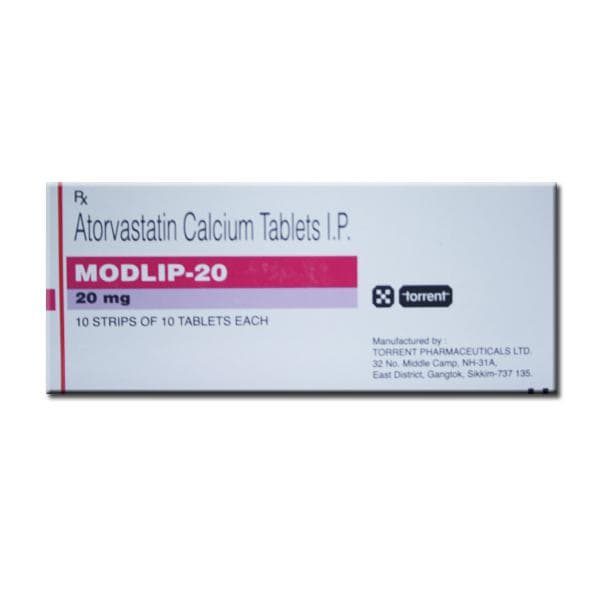
Torrent Pharmaceuticals Ltd
capsule - 10 Capsules
Habit-forming — pharmacy only
View information