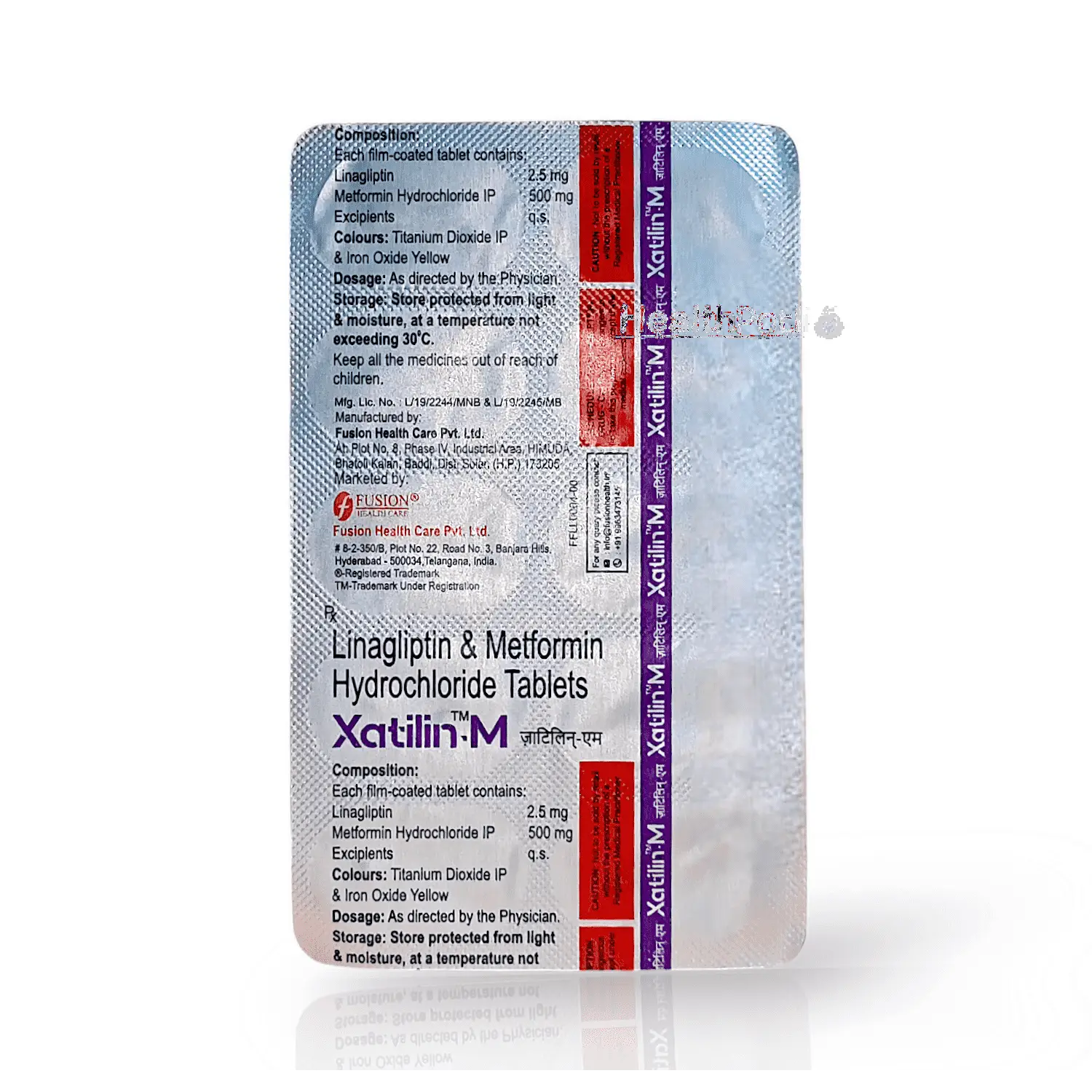
Xatilin M 5/500 mg Tablet
tablet - 10 S
FUSION HEALTH CARE
₹127
Prescription required
Check delivery at checkout
14`S
Inclusive of all taxes
Prescription required — upload during checkout when prompted.
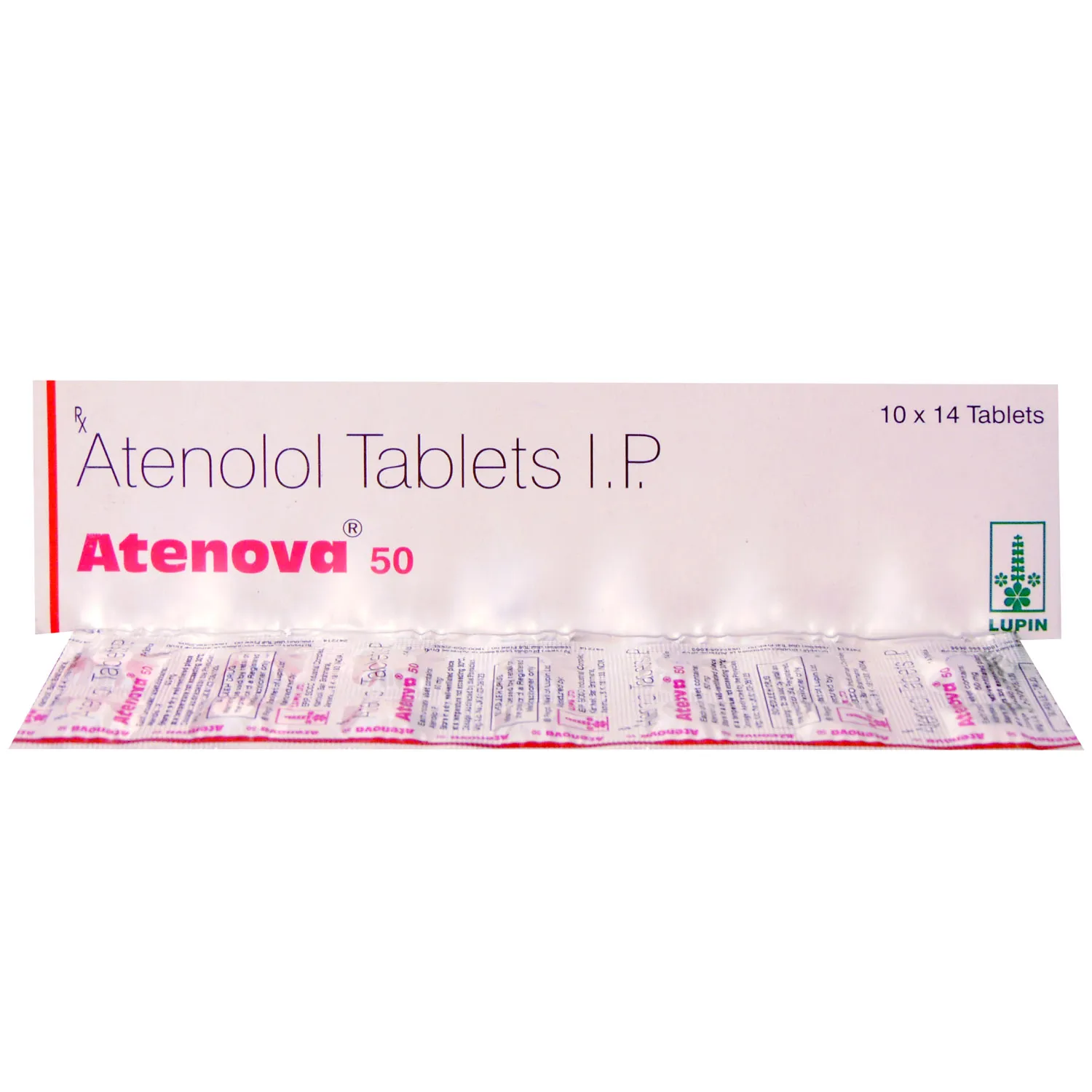
Atenolol (50mg)
Atenova 50 contains Atenolol (50mg). Prescription required.
We'll let you know the moment Atenova 50 is back in stock.
Before you take it
Use with caution / Consult doctor (not routinely recommended; may affect fetal growth)
Breast feeding UNSAFE
Use with caution (may increase dizziness and blood pressure lowering effects)
Driving UNSAFE
Kidney CAUTION
Liver SAFE IF PRESCRIBED
Monograph
Atenova 50 contains Atenolol (50mg). Prescription required.
Treatment of hypertension (high blood pressure), angina pectoris (chest pain), control of heart rate in certain tachyarrhythmias; may be used post-myocardial infarction as per physician advice.
Atenolol is a cardioselective beta-1 adrenergic blocker. It reduces heart rate, cardiac contractility and cardiac output, and suppresses renin release, thereby lowering blood pressure and myocardial oxygen demand.
Take orally as advised by the doctor, usually once daily at the same time each day, with or without food. Swallow with water; do not stop suddenly without medical advice. Dose adjustments may be needed in kidney disease and the elderly.
Bradycardia, dizziness, fatigue, cold hands/feet, low blood pressure, nausea, sleep disturbances
Do not stop abruptly (may worsen angina/trigger heart attack). Use with caution in asthma/COPD (can cause bronchospasm), diabetes (may mask hypoglycaemia symptoms), peripheral vascular disease, thyroid disorders, and depression. Contraindicated/avoid in severe bradycardia, heart block (2nd/3rd degree), cardiogenic shock, and uncontrolled heart failure unless directed by a cardiologist. Inform doctor before surgery/anaesthesia. Dose reduction may be required in renal impairment.
Other antihypertensives (additive hypotension), verapamil/diltiazem (risk of severe bradycardia/heart block), digoxin (bradycardia), clonidine (rebound hypertension if stopped improperly), NSAIDs (may reduce antihypertensive effect), insulin/oral antidiabetics (masked hypoglycaemia), beta-agonist bronchodilators (reduced effect), amiodarone/antiarrhythmics (conduction disturbances)
Store below 25°C, protected from light and moisture. Keep in original blister pack and out of reach of children.
Tenormin 50 Tablet, Betacard 50 Tablet, Aten 50 Tablet, Atekind 50 Tablet, Atenolol 50 mg Tablet (generic)
At a glance
Good to know

Brand
LUPIN LAB
View all products from this brand
Manufacturer
LUPIN LAB
Medical disclaimer: product information is for awareness only and does not replace medical advice. For Rx medicines, a valid prescription is required. Consult your doctor or pharmacist for personalised guidance. Sources: Manufacturer labeling, established medical literature (beta-blockers/atenolol), standard pharmacology references
Other products patients also browse for similar needs.
tablet - 10 S
FUSION HEALTH CARE
Prescription required
Check delivery at checkout
tablet - 15 S
VERSE LIFESCIENCES
Prescription required
Check delivery at checkout
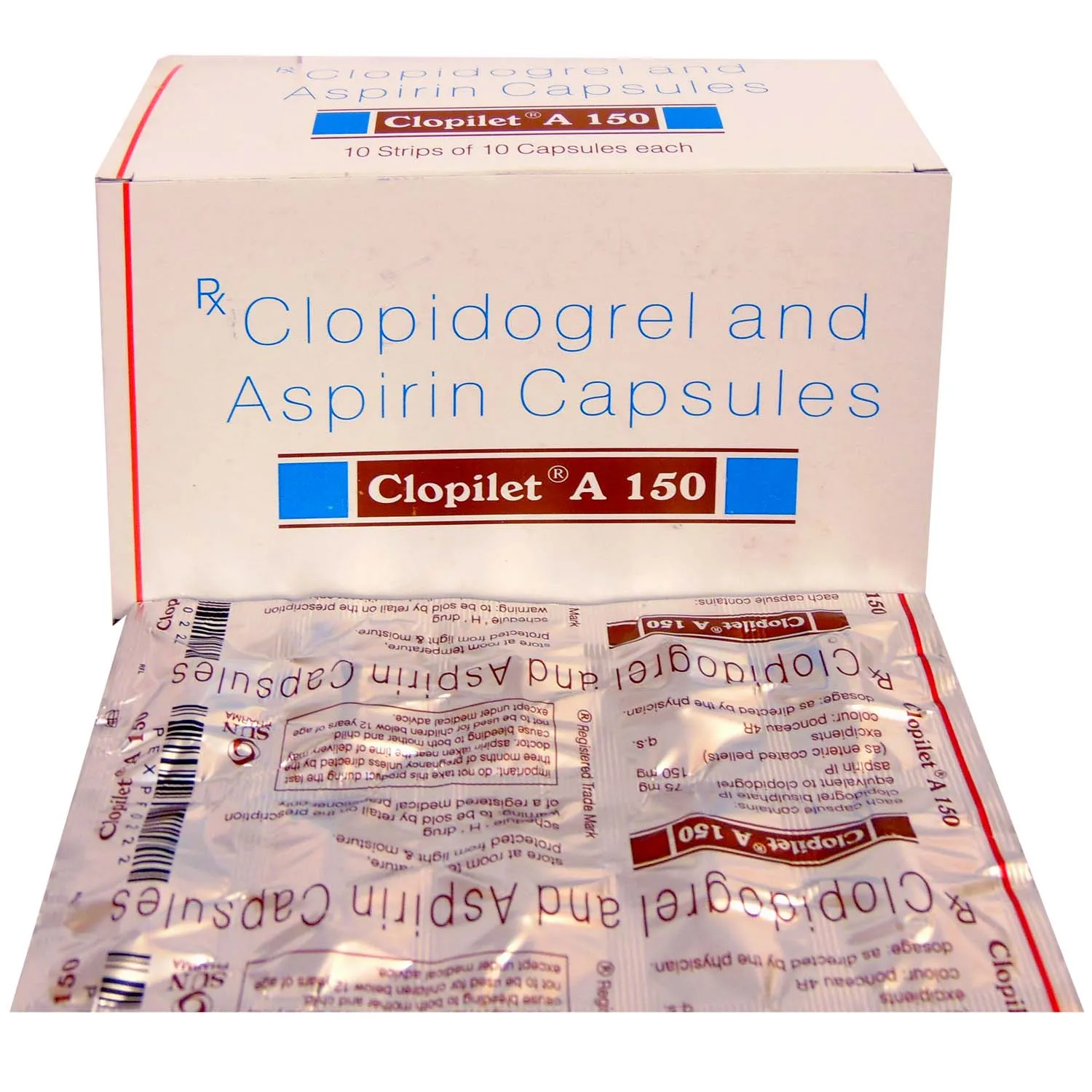
capsule - 15 Capsules

SUN PHARMA
Prescription required
Check delivery at checkout
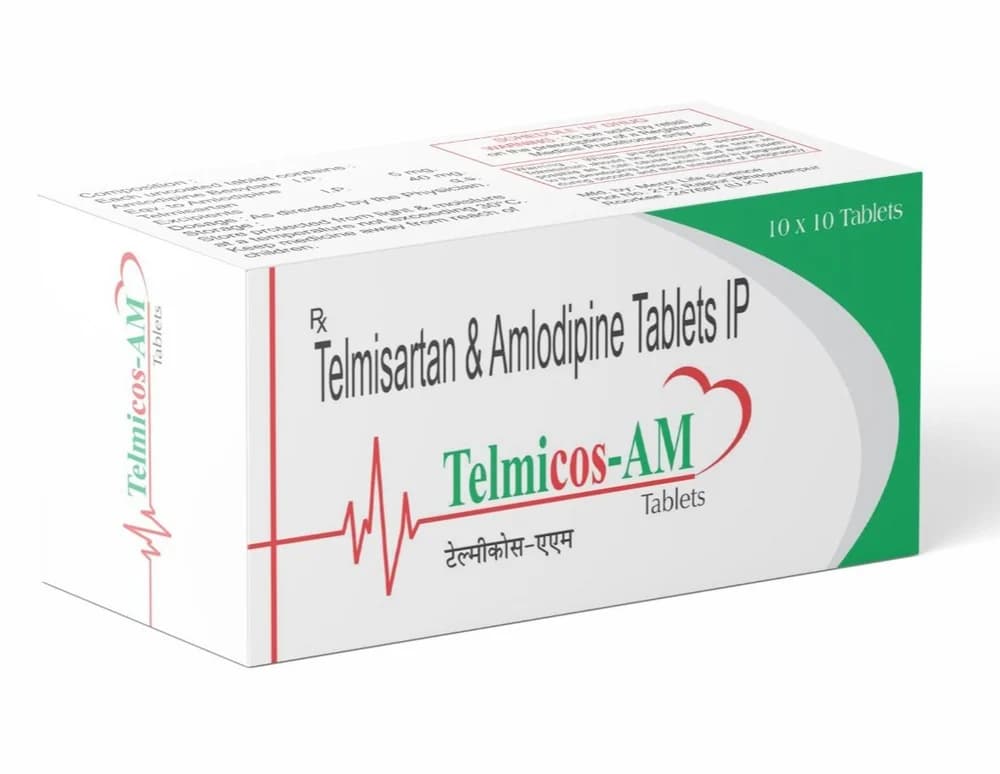
tablet - 10 S
DRS CHOICE PHARMACEUTICALS
Prescription required
Check delivery at checkout
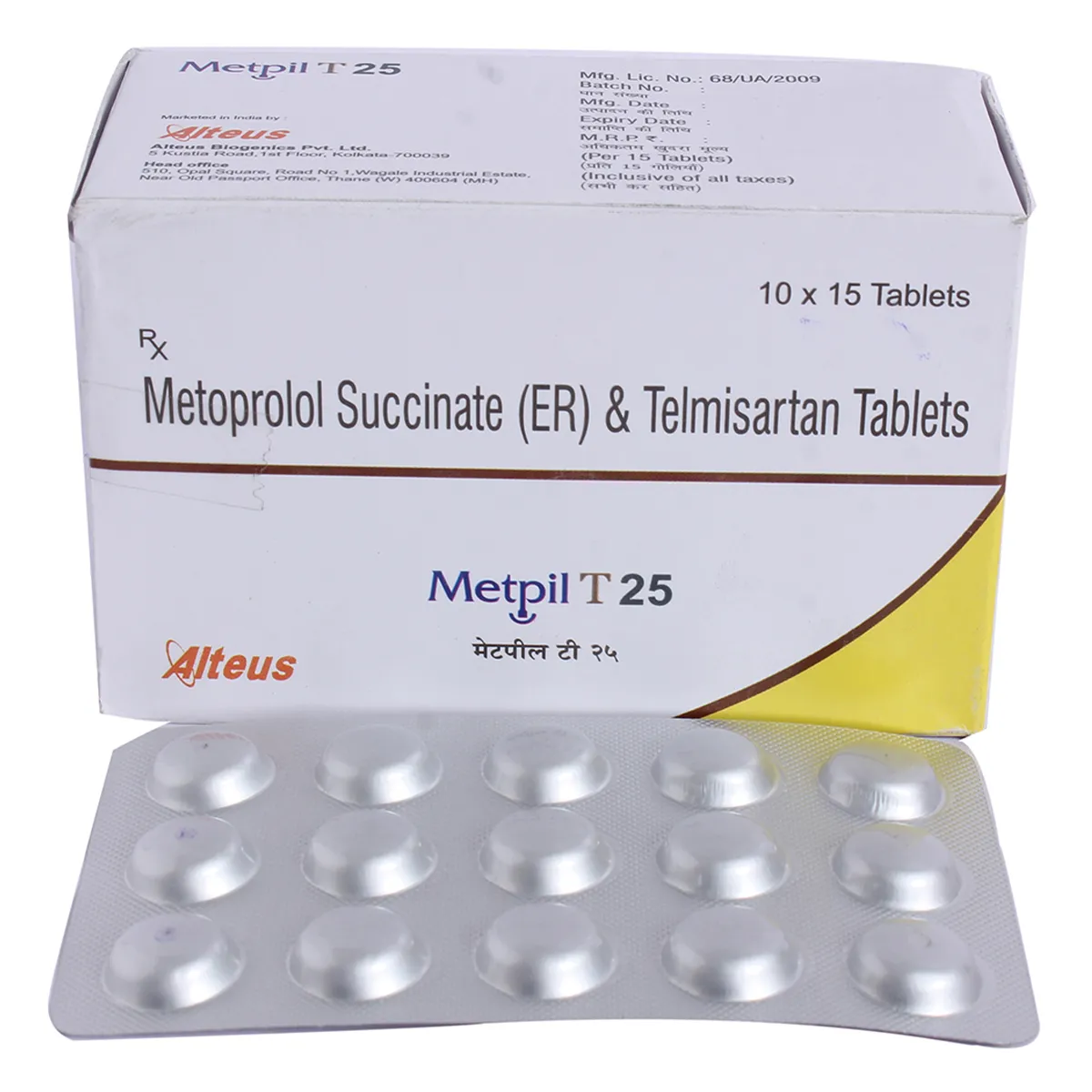
tablet - 10 S
MYK PHARMACEUTICALS
Prescription required
Check delivery at checkout
Same brand, other products you might also want.