ASTRAZENECAPHARMA INDIA LTD
Rx
💊
100% Genuine
Sealed pack
Pharmacist-verified
Quality assured
Pan-India delivery
Standard shipping
100% Genuine
Sealed pack
Pharmacist-verified
Quality assured
Pan-India delivery
Standard shipping
Important advisories specific to this medicine.
Pregnancy
Use with caution
Breastfeeding
Breast feeding SAFE IF PRESCRIBED
Alcohol
Use with caution
High blood pressure (hypertension), Angina (chest pain), Heart failure (as add-on/maintenance therapy as prescribed), Control of heart rate in tachyarrhythmias, Prevention of migraine (prophylaxis) as advised by doctor
Tiredness, dizziness, slow heart rate (bradycardia), low blood pressure, cold hands/feet, headache, nausea, sleep disturbances
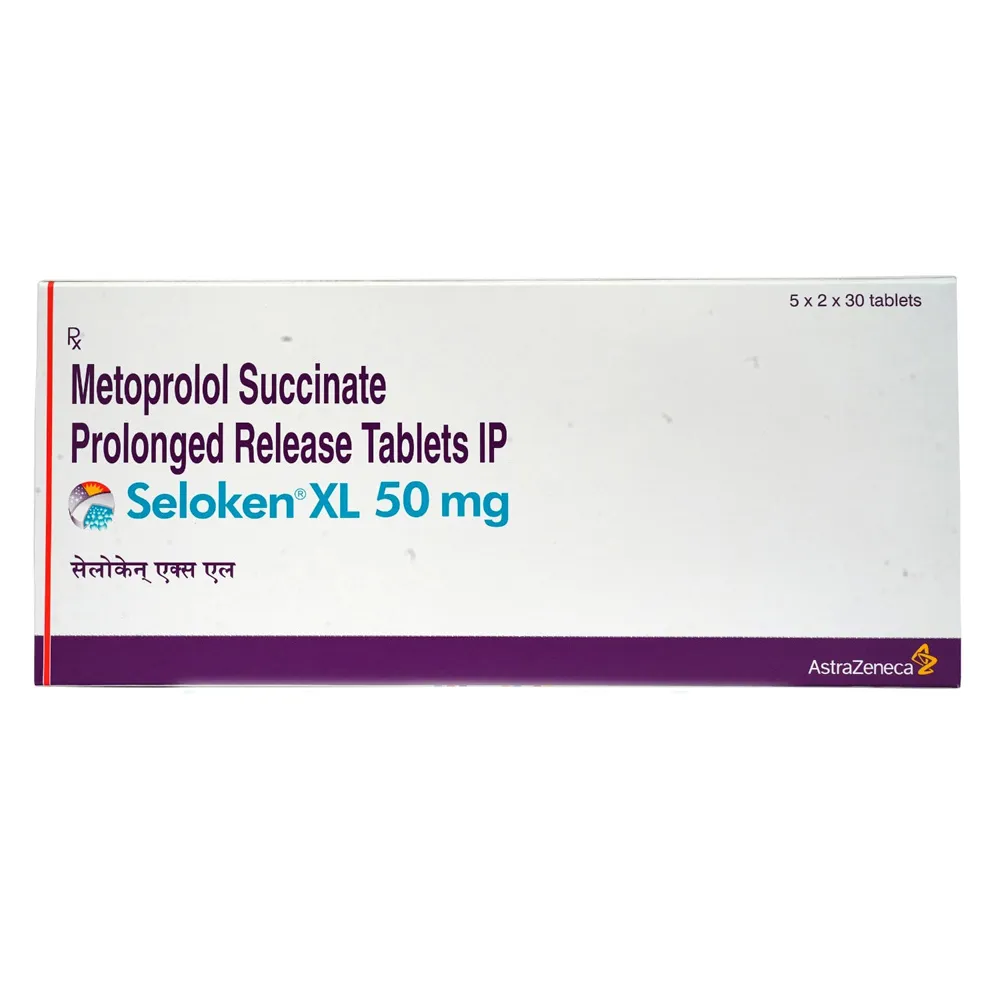
Metoprolol is a selective beta-1 blocker that reduces the effect of adrenaline on the heart. It slows heart rate and decreases the force of contraction, lowering blood pressure and reducing the heart’s oxygen demand.
Brand
ASTRAZENECAPHARMA INDIA LTD
View all products from this brand
Every order from PingMeDoc Pharmacy is reviewed by a licensed pharmacist before dispatch. Prescription medicines ship only after the Rx is verified.
Manufacturer: ASTRAZENECAPHARMA INDIA LTD
Medical disclaimer
Product information is for awareness only and does not replace medical advice. For Rx medicines, a valid prescription is required. Consult your doctor or pharmacist for personalised guidance.
Sources: Manufacturer labeling/SmPC, CDSCO-approved prescribing information, established medical literature (beta-blocker pharmacology), standard drug references
Driving
Driving UNSAFE
Kidney
Kidney SAFE IF PRESCRIBED
Liver
Liver SAFE IF PRESCRIBED
Drug | Tablet
High blood pressure (hypertension), Angina (chest pain), Heart failure (as add-on/maintenance therapy as prescribed), Control of heart rate in tachyarrhythmias, Prevention of migraine (prophylaxis) as advised by doctor
Metoprolol is a selective beta-1 blocker that reduces the effect of adrenaline on the heart. It slows heart rate and decreases the force of contraction, lowering blood pressure and reducing the heart’s oxygen demand.
Take exactly as prescribed, usually once daily for prolonged-release tablets. Swallow whole with water; do not crush or chew. Can be taken with or without food, preferably at the same time each day. Do not stop suddenly without medical advice.
Tiredness, dizziness, slow heart rate (bradycardia), low blood pressure, cold hands/feet, headache, nausea, sleep disturbances
Do not stop abruptly (risk of rebound angina/raised BP). Use with caution in asthma/COPD, diabetes (may mask hypoglycaemia symptoms), thyroid disorders, peripheral vascular disease, low heart rate, heart block, severe hypotension, and severe heart failure unless supervised. Monitor pulse and BP regularly. May cause dizziness—avoid driving if affected.
Verapamil, diltiazem, digoxin, amiodarone and other antiarrhythmics (risk of bradycardia/heart block), other antihypertensives (additive BP lowering), clonidine (withdrawal interaction), insulin/oral antidiabetics (masks hypoglycaemia), NSAIDs (may reduce BP control), CYP2D6 inhibitors like fluoxetine/paroxetine/quinidine (increase metoprolol levels)
Store below 25°C, in original pack, protected from moisture and light. Keep out of reach of children.
Metolar XR 25 Tablet, Seloken XL 25 Tablet, Met XL 25 Tablet, Prolol XL 25 Tablet, Metoprolol Succinate ER 25 mg Tablet (generic)
Take exactly as prescribed, usually once daily for prolonged-release tablets. Swallow whole with water; do not crush or chew. Can be taken with or without food, preferably at the same time each day. Do not stop suddenly without medical advice.
Store below 25°C, in original pack, protected from moisture and light. Keep out of reach of children.
Yes, this product requires a valid prescription (Rx). Upload it during checkout when prompted.
Yes. Prices and availability can change based on inventory and serviceability. The latest details are shown at checkout.
Select a variant, add to cart, enter delivery address, upload prescription if required, and pay securely.
Other products patients also browse for similar needs.
Same brand, other products you might also want.