Inclusive of all taxes · Free delivery over ₹999
Prescription required — upload during checkout, verified by our licensed pharmacist before shipping.
100% genuine, sealed packs · Checked by a PingMeDoc™ pharmacist · Pan-India delivery
Tablet · 10 Tablet
Before you take it
Consult doctor
Breast feeding SAFE IF PRESCRIBED
Avoid
Driving SAFE
Kidney CAUTION
Liver SAFE IF PRESCRIBED
Monograph
Drug | Tablet
Type 2 diabetes mellitus (to control blood glucose), Prediabetes/insulin resistance (as advised by doctor), Polycystic ovary syndrome (PCOS) with insulin resistance (off-label, as prescribed)
Metformin decreases glucose production in the liver and reduces intestinal glucose absorption. It also improves insulin sensitivity in muscle and fat, helping the body use insulin better and lowering blood sugar without usually causing hypoglycaemia when used alone.
Tablet (immediate-release): take exactly as prescribed, usually with or after meals to reduce stomach upset. Swallow with water; do not crush unless advised. Take at the same time each day; if a dose is missed, take it when remembered unless it is close to the next dose (do not double).
Nausea, vomiting, diarrhoea, abdominal pain, loss of appetite, metallic taste, flatulence, headache, vitamin B12 deficiency (with long-term use)
Risk of lactic acidosis (rare but serious) especially with kidney disease, severe dehydration, sepsis, shock, severe liver disease, or heavy alcohol use—seek urgent care for rapid breathing, severe weakness, persistent vomiting, abdominal pain or drowsiness. Use with caution in renal impairment; kidney function should be checked before and during therapy. Temporarily stop metformin during severe vomiting/diarrhoea/dehydration and before/after iodinated contrast procedures or major surgery as advised by doctor. Monitor for hypoglycaemia when combined with insulin or sulfonylureas. Long-term use may lower vitamin B12—periodic monitoring may be needed.
Alcohol, Iodinated contrast media, Insulin and sulfonylureas (e.g., glimepiride) (increased hypoglycaemia risk), Cimetidine (may increase metformin levels), Carbonic anhydrase inhibitors (e.g., topiramate, acetazolamide) (increased acidosis risk), Diuretics and ACE inhibitors/ARBs (via dehydration/renal function changes), Corticosteroids and some antipsychotics (may raise blood glucose)
Store below 25°C in a cool, dry place. Protect from moisture and direct light. Keep out of reach of children.
Metformin 500 Tablet, Glyciphage 500 Tablet, Gluformin 500 Tablet, Obimet 500 Tablet, Formin 500 Tablet
At a glance
Good to know
Type 2 diabetes mellitus (to control blood glucose), Prediabetes/insulin resistance (as advised by doctor), Polycystic ovary syndrome (PCOS) with insulin resistance (off-label, as prescribed)
Nausea, vomiting, diarrhoea, abdominal pain, loss of appetite, metallic taste, flatulence, headache, vitamin B12 deficiency (with long-term use)
Metformin decreases glucose production in the liver and reduces intestinal glucose absorption. It also improves insulin sensitivity in muscle and fat, helping the body use insulin better and lowering blood sugar without usually causing hypoglycaemia when used alone.
Tablet (immediate-release): take exactly as prescribed, usually with or after meals to reduce stomach upset. Swallow with water; do not crush unless advised. Take at the same time each day; if a dose is missed, take it when remembered unless it is close to the next dose (do not double).
Store below 25°C in a cool, dry place. Protect from moisture and direct light. Keep out of reach of children.
Yes, this product requires a valid prescription (Rx). Upload it during checkout when prompted.
Yes. Prices and availability can change based on inventory and serviceability. The latest details are shown at checkout.
Select a variant, add to cart, enter delivery address, upload prescription if required, and pay securely.

Brand
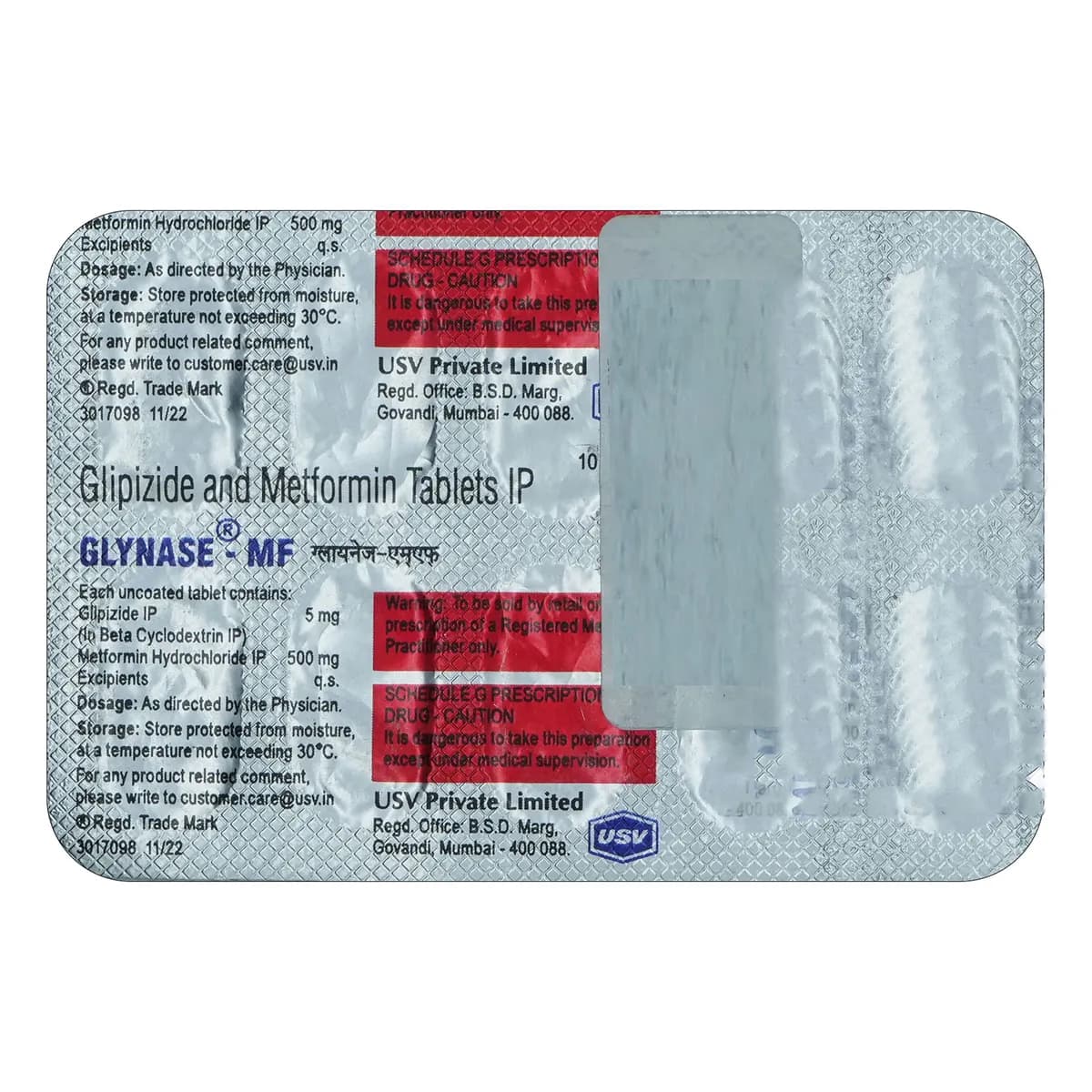
USV Ltd
View all products from this brand
Every order from PingMeDoc Pharmacy is reviewed by a licensed pharmacist before dispatch. Prescription medicines ship only after the Rx is verified.
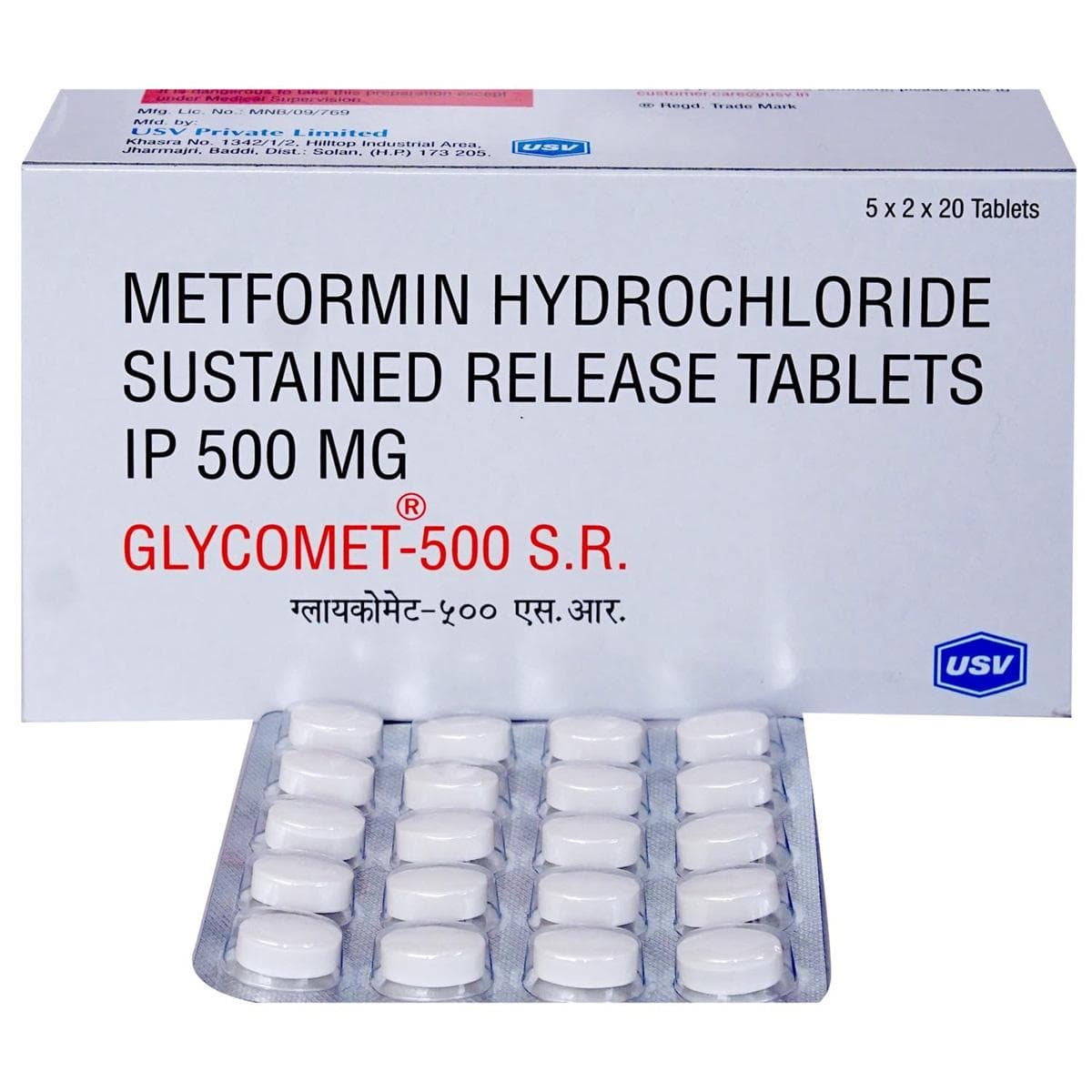
Manufacturer: USV LIMITED
Medical disclaimer: product information is for awareness only and does not replace medical advice. For Rx medicines, a valid prescription is required. Consult your doctor or pharmacist for personalised guidance. Sources: Manufacturer labeling, Established medical literature (metformin), Standard treatment guidelines for diabetes, Regulatory/compendium drug monographs
Other products patients also browse for similar needs.
Same brand, other products you might also want.