
Image unavailable
Dapalex M 10/500 mg Tablet
tablet - 10mg + 500mg - 15 S
AJANTA PHARMA
₹241₹254
Save ₹13
Prescription required
Check delivery at checkout
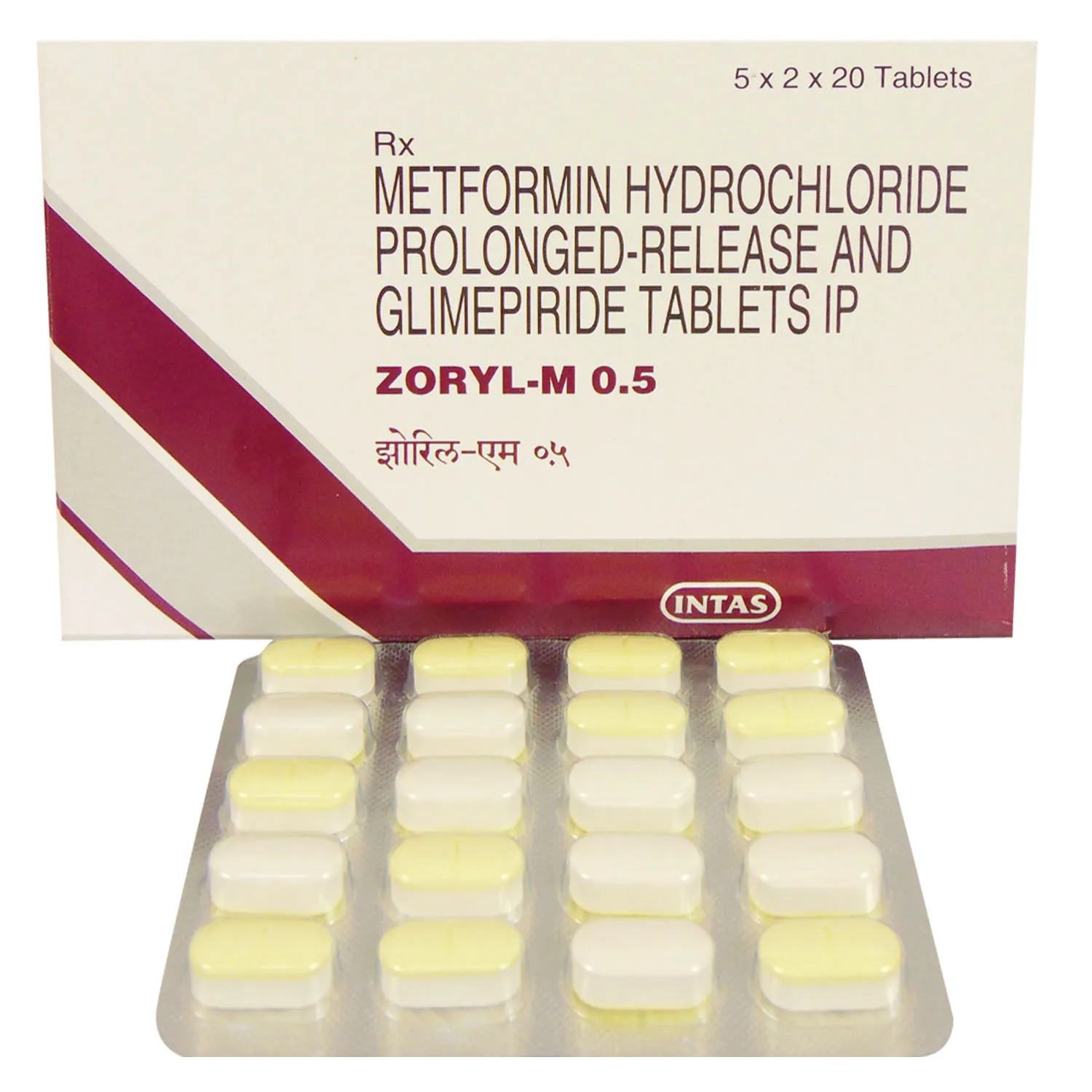
Tablet · 0.5mg · 20`S
Inclusive of all taxes
Free delivery above ₹999 · ₹49 delivery fee on orders from ₹499, ₹99 below that
Prescription required — upload during checkout. No prescription? Place the order and a doctor will call you free of charge before it ships.
Glimepiride (0.5mg)
Zoryl M 0.5 Tablet contains Glimepiride (0.5mg). Prescription required.
Before you take it
Not recommended; consult doctor (insulin is preferred in pregnancy).
Breast feeding CONSULT YOUR DOCTOR
Avoid (increases risk of hypoglycaemia and lactic acidosis).
Driving CAUTION
Kidney UNSAFE
Liver UNSAFE
Monograph
Zoryl M 0.5 Tablet contains Glimepiride (0.5mg). Prescription required.
Type 2 diabetes mellitus in adults when diet and exercise alone are not sufficient; helps control high blood sugar, usually as add-on/combination therapy.
Glimepiride (a sulfonylurea) stimulates the pancreas to release insulin and improves peripheral glucose utilization. Metformin (a biguanide) decreases glucose production in the liver and improves insulin sensitivity, lowering blood glucose without usually causing weight gain.
Take by mouth as prescribed, usually once daily with the main meal (preferably breakfast) to reduce stomach upset and risk of low sugar. Swallow whole (do not crush/chew if prolonged-release). Monitor blood glucose regularly; do not stop abruptly without medical advice.
Hypoglycaemia (low blood sugar), nausea, vomiting, diarrhoea, abdominal pain, loss of appetite, metallic taste, headache, dizziness, weight gain, skin rash
Risk of hypoglycaemia (more with missed meals, alcohol, excessive exercise, kidney/liver impairment); carry a fast-acting glucose source. Metformin may rarely cause lactic acidosis—seek urgent help for rapid breathing, severe weakness, muscle pain, abdominal pain, or unusual sleepiness; higher risk with significant kidney disease, dehydration, severe infection, heart/respiratory failure. Avoid in severe renal impairment; dose adjustment/monitoring needed in kidney disease and elderly. Hold metformin around iodinated contrast procedures and major surgery as advised by doctor. Use caution in liver disease; monitor HbA1c and renal function periodically.
Alcohol, insulin and other antidiabetics (additive hypoglycaemia), beta-blockers (may mask hypoglycaemia symptoms), ACE inhibitors (may enhance glucose-lowering), corticosteroids and thiazide/loop diuretics (may raise glucose), rifampicin (may reduce glimepiride effect), azole antifungals/macrolides/fluoroquinolones (may increase hypoglycaemia risk), NSAIDs and salicylates (may increase sulfonylurea effect), iodinated contrast media (lactic acidosis risk with metformin), cimetidine (may increase metformin levels)
Store below 25°C in a cool, dry place. Protect from moisture and light. Keep out of reach of children.
Amaryl M 0.5/500 Tablet, Glycomet GP 0.5/500 Tablet, Glimy M 0.5/500 Tablet, Gluconorm-G 0.5/500 Tablet, Gemer M 0.5/500 Tablet
At a glance
Good to know

Brand
Intas Pharmaceuticals Ltd
View all products from this brand
Manufacturer
INTAS PHARMACEUTICALS`
Medical disclaimer: product information is for awareness only and does not replace medical advice. For Rx medicines, a valid prescription is required. Consult your doctor or pharmacist for personalised guidance. Sources: Manufacturer labeling/pack insert, CDSCO guidance on antidiabetics, established medical literature (standard pharmacology texts), Indian Pharmacopoeia monographs for APIs
Other products patients also browse for similar needs.
tablet - 10mg + 500mg - 15 S
AJANTA PHARMA
Save ₹13
Prescription required
Check delivery at checkout
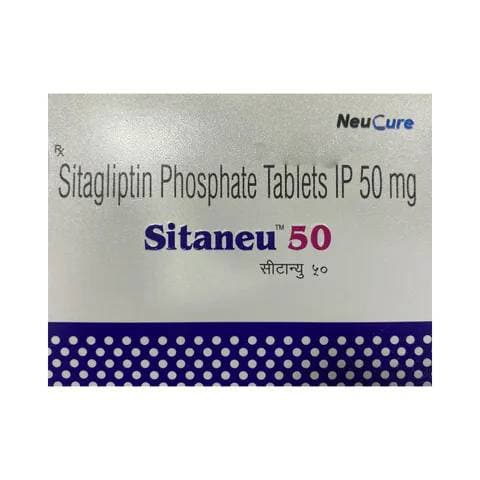
tablet - 15 S
NEUCURE HEALTHCARE PVT LTD
Save ₹12
Prescription required
Check delivery at checkout
tablet - 0.3mg - 10 S
LARENON
Save ₹7
Prescription required
Check delivery at checkout

tablet - 15 S
MANKIND (PHARMA)
Save ₹10
Prescription required
Check delivery at checkout
15 S
HBC LIFESCEINCE PVT LTD
Save ₹14
Prescription required
Check delivery at checkout
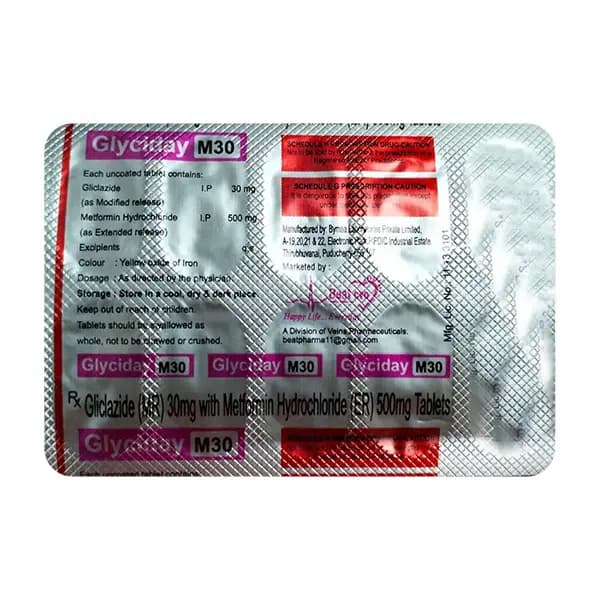
tablet - 30 mg - 10 S
BEAT PHARMA
Save ₹3
Prescription required
Check delivery at checkout
Same brand, other products you might also want.
60 ml
Intas Pharmaceuticals Ltd
Save ₹50
Prescription required
Check delivery at checkout
200 mg - 10 S
Intas Pharmaceuticals Ltd
Save ₹5
Prescription required
Check delivery at checkout
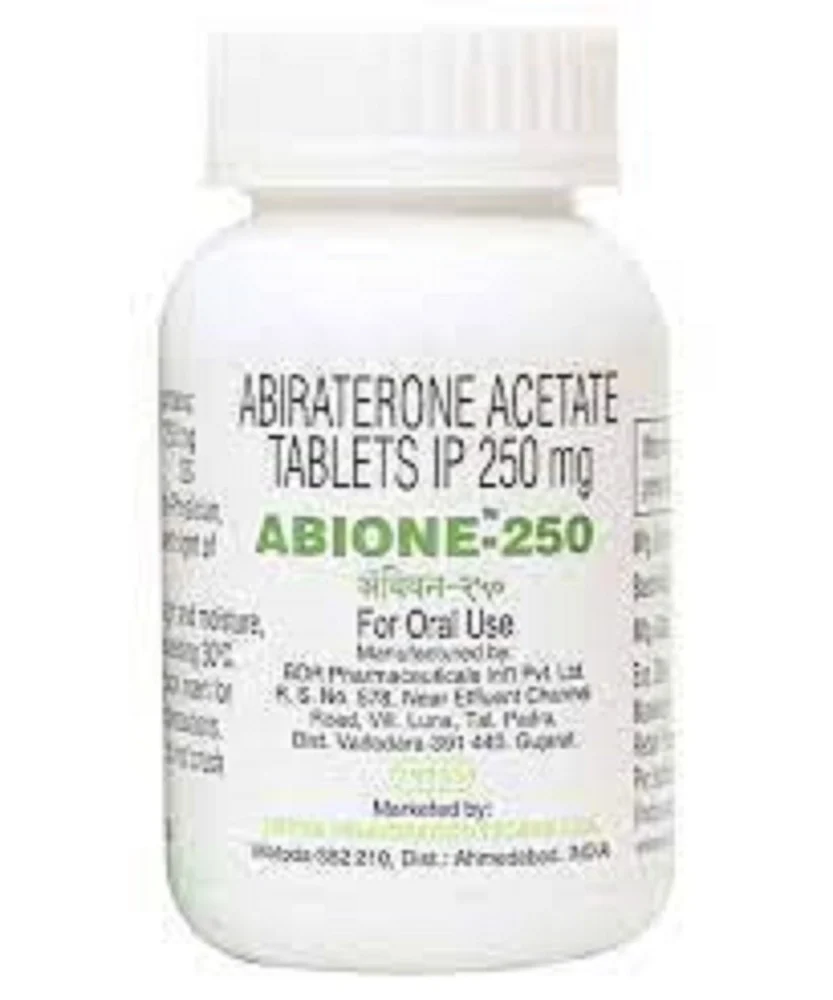
tablet - 250mg - 10 S
Intas Pharmaceuticals Ltd
Save ₹1,415
Prescription required
Check delivery at checkout
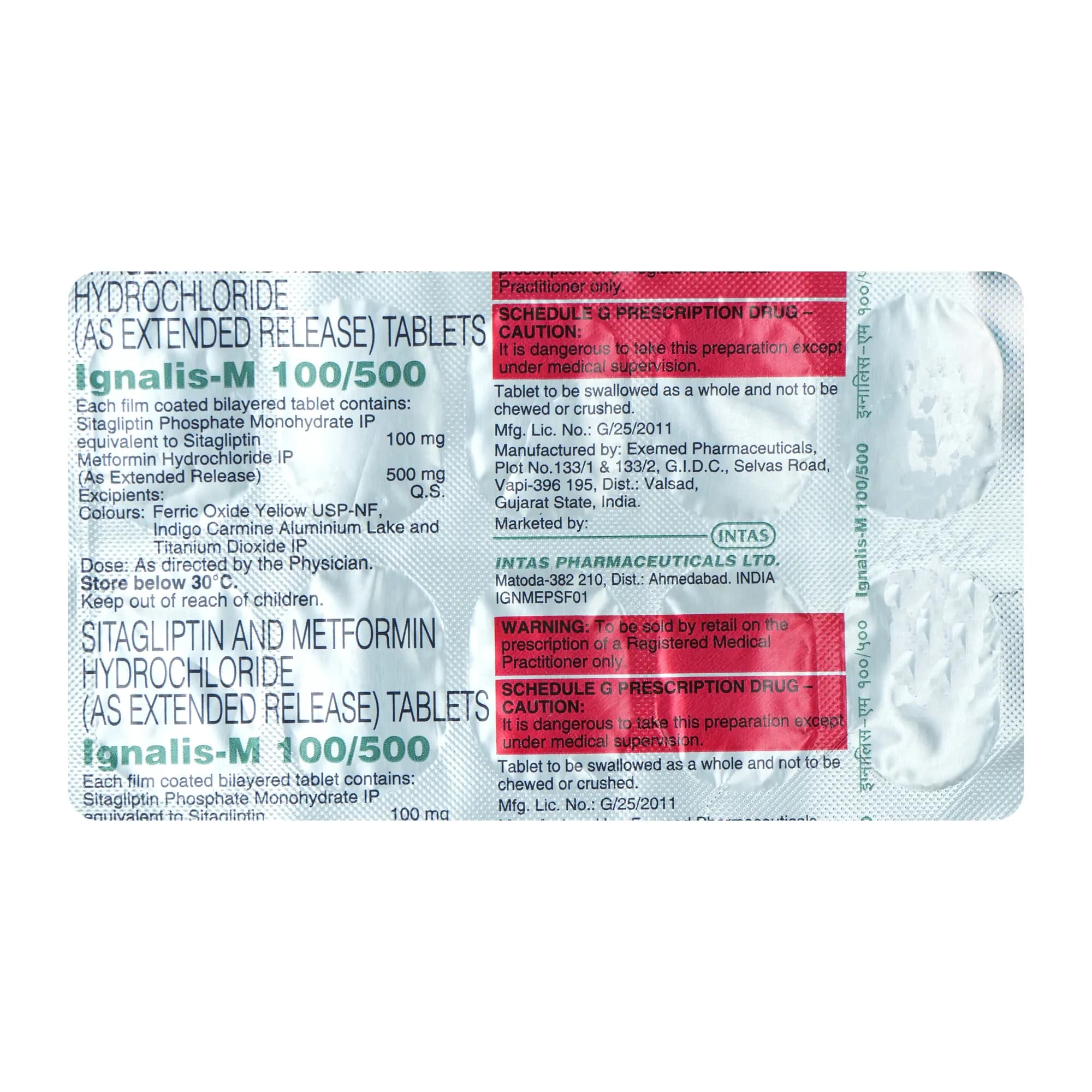
tablet - 100mg - 10 S
Intas Pharmaceuticals Ltd
Save ₹8
Prescription required
Check delivery at checkout
tablet - 10mg + 1mg + 500mg - 10 S
Intas Pharmaceuticals Ltd
Save ₹7
Prescription required
Check delivery at checkout

tablet - 5mg + 10mg - 10 S
Intas Pharmaceuticals Ltd
Save ₹10
Prescription required
Check delivery at checkout