Tamman Titoe Pharma Pvt Ltd
Rx
100% Genuine
Sealed pack
Pharmacist-verified
Quality assured
Pan-India delivery
Standard shipping
100% Genuine
Sealed pack
Pharmacist-verified
Quality assured
Pan-India delivery
Standard shipping
Important advisories specific to this medicine.
Habit-forming
This medicine can cause dependence with prolonged use. Take only under medical supervision and do not stop abruptly.
Pregnancy
Use with caution / Consult doctor (avoid especially in late pregnancy unless essential; risk of neonatal withdrawal/respiratory depression)
Alcohol
Avoid
Management of moderate to severe acute pain (e.g., post-operative pain, trauma pain) when parenteral opioid analgesia is required
Nausea, vomiting, dizziness, drowsiness, constipation, headache, sweating, dry mouth, injection site pain
Tramadol is a centrally acting opioid analgesic. It binds to mu-opioid receptors and also inhibits reuptake of serotonin and noradrenaline in the CNS, which enhances descending inhibitory pain pathways and reduces pain perception.
Brand
Tamman Titoe Pharma Pvt Ltd
View all products from this brand
Every order from PingMeDoc Pharmacy is reviewed by a licensed pharmacist before dispatch. Prescription medicines ship only after the Rx is verified.
Manufacturer: Tamman Titoe Pharma Pvt Ltd
Medical disclaimer
Product information is for awareness only and does not replace medical advice. For Rx medicines, a valid prescription is required. Consult your doctor or pharmacist for personalised guidance.
Sources: Manufacturer labeling/pack insert, established medical literature (opioid analgesic guidelines), CDSCO drug safety communications
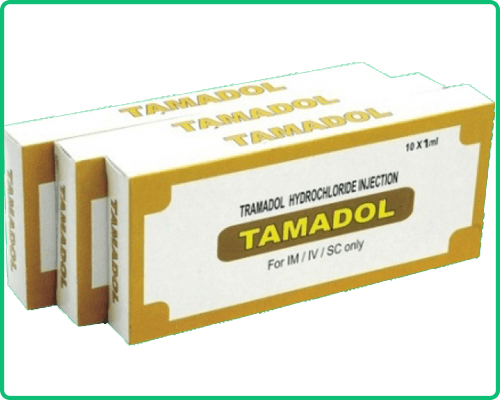
Drug | Injection
Management of moderate to severe acute pain (e.g., post-operative pain, trauma pain) when parenteral opioid analgesia is required
Tramadol is a centrally acting opioid analgesic. It binds to mu-opioid receptors and also inhibits reuptake of serotonin and noradrenaline in the CNS, which enhances descending inhibitory pain pathways and reduces pain perception.
Injection for IV/IM use only, to be administered by a healthcare professional. Dose and frequency as prescribed; commonly given slowly IV or deep IM; can be given with or without food (not applicable). Monitor for sedation and breathing after administration.
Nausea, vomiting, dizziness, drowsiness, constipation, headache, sweating, dry mouth, injection site pain
May cause respiratory depression, sedation, and impaired alertness—avoid driving/operating machinery. Risk of dependence, abuse and withdrawal; use lowest effective dose for shortest duration. Can precipitate seizures, especially in patients with seizure disorders or with interacting medicines. Risk of serotonin syndrome with serotonergic drugs. Use with caution in elderly, head injury, respiratory disease (asthma/COPD), hepatic or renal impairment. Avoid in severe respiratory depression and acute intoxication with alcohol/sedatives. Do not use in children unless specifically prescribed; avoid post-tonsillectomy/adenoidectomy opioid use. Naloxone and resuscitation facilities should be available when used parenterally.
Alcohol and other CNS depressants (benzodiazepines, sedatives, opioids) increase sedation/respiratory depression; SSRIs/SNRIs/TCAs/MAOIs, triptans, linezolid increase serotonin syndrome risk; antipsychotics and bupropion increase seizure risk; carbamazepine reduces effect; CYP2D6 inhibitors (fluoxetine, paroxetine, quinidine) may reduce analgesia; warfarin may increase INR/bleeding risk (reported)
Store below 25°C, protect from light. Do not freeze. Keep in original carton; use immediately after opening ampoule; keep out of reach of children.
Tramal Injection, Tramazac Injection, Tramadol Injection (generic), Dolotram Injection, Tradol Injection
Injection for IV/IM use only, to be administered by a healthcare professional. Dose and frequency as prescribed; commonly given slowly IV or deep IM; can be given with or without food (not applicable). Monitor for sedation and breathing after administration.
Store below 25°C, protect from light. Do not freeze. Keep in original carton; use immediately after opening ampoule; keep out of reach of children.
Yes, this product requires a valid prescription (Rx). Upload it during checkout when prompted.
Yes. Prices and availability can change based on inventory and serviceability. The latest details are shown at checkout.
Select a variant, add to cart, enter delivery address, upload prescription if required, and pay securely.
Other products patients also browse for similar needs.
Same brand, other products you might also want.
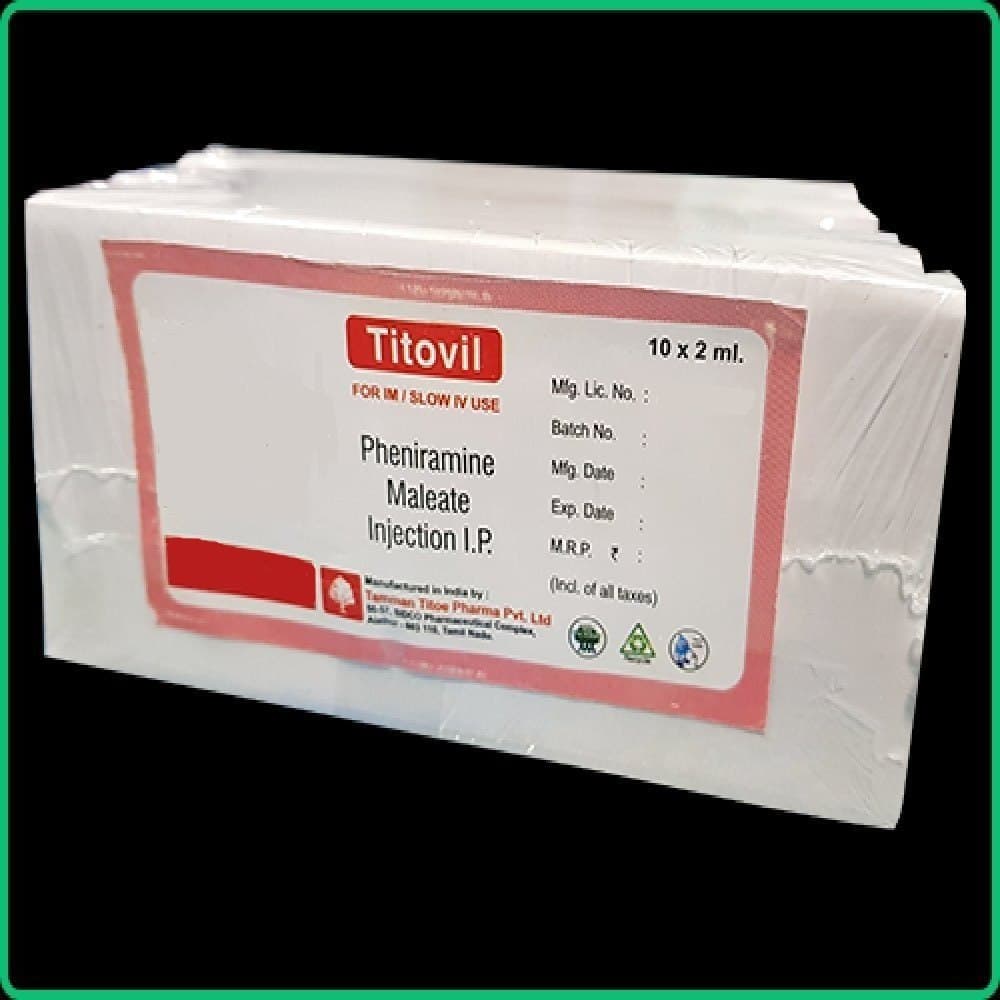
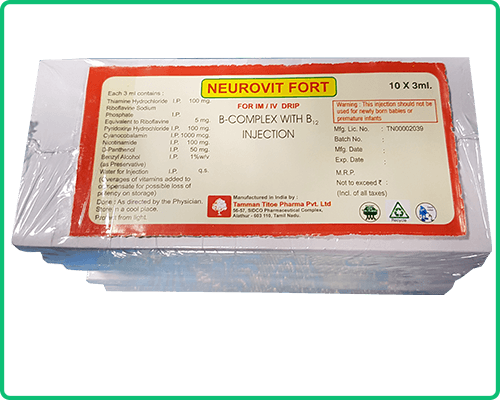

Tamman Titoe Pharma Pvt Ltd
injection - 2 ml
Schedule X — pharmacy only
View information