
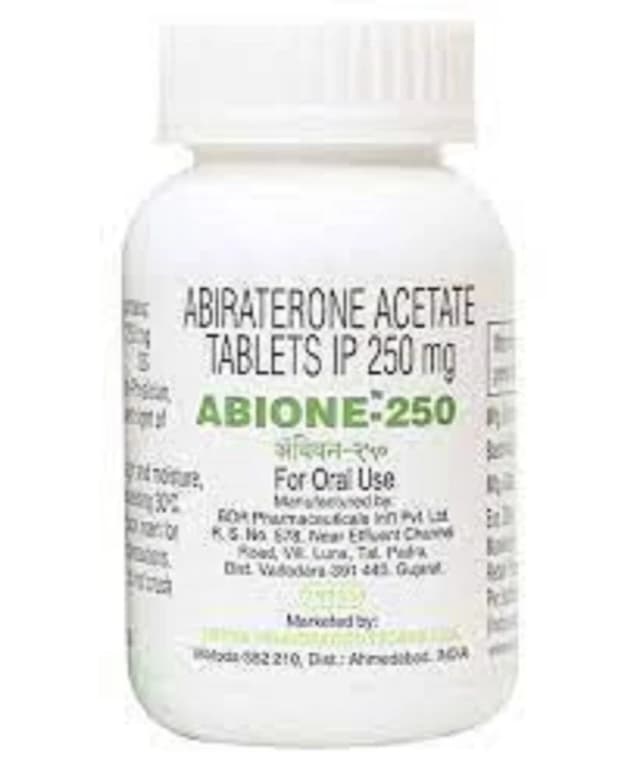
Abione Tab
Intas Pharmaceuticals Ltd - Tablet - 250mg - 10 S
₹26,891₹28,306
Save ₹1415
Prescription required
Sitagliptin (50mg) + Glimepiride (2mg) + Metformin (1000mg)
Delivered across India in about 3–5 days, Chennai next day. ₹49 delivery, free above ₹999.
Cash on delivery available — pay when your order arrives
This medicine needs a prescription.
You can pay now and add the prescription afterwards. We pack your order only after a pharmacist verifies it.
A doctor decides whether a prescription can be issued. If it is not issued, the prescription items in your order are cancelled and refunded. You choose this at checkout.
Zoryl Ms Ir 2/1000 is used for type 2 diabetes mellitus: to improve blood glucose control in adults when diet and exercise alone are not sufficient, or when dual therapy with sulfonylurea and metformin is appropriate.
Medically reviewed by Dr. Balaji Krishnan, MBBS · Updated September 2026
Zoryl Ms Ir 2/1000 contains Sitagliptin (50mg) + Glimepiride (2mg) + Metformin (1000mg). It belongs to the Sulfonylurea + Biguanide class of medicines.
Glimepiride (a sulfonylurea) stimulates pancreatic beta cells to release insulin and improves peripheral glucose utilization. Metformin (a biguanide) decreases hepatic glucose production and improves insulin sensitivity, reducing intestinal glucose absorption.
Oral tablet. Take exactly as prescribed, usually with food to reduce stomach upset (commonly with breakfast or the first main meal). Swallow with water; do not skip meals as it may increase risk of low blood sugar. Dose is individualized based on blood glucose/HbA1c and kidney function.
Take it exactly as your doctor prescribed. Do not change the dose or stop early on your own.
If you miss a dose of Zoryl MS 50mg/2mg/1000mg Tablet IR, take it as soon as possible. However, if it is almost time for your next dose, skip the missed dose and go back to your regular schedule. Do not double the dose.
An overdose of this medicine may cause low blood sugar, particularly if you also take other diabetes medicines. It can cause severe and prolonged low blood sugar, which may lead to fits or unconsciousness. It can cause a dangerous build-up of acid in the blood, with vomiting, severe weakness and laboured breathing. Do not wait for symptoms to appear — go to the nearest emergency department and take the pack or strip with you.
Most side effects of Zoryl Ms Ir 2/1000 are mild and settle as the body adjusts. Reported side effects include:
Stop the medicine and seek help immediately for a rash, swelling of the face or lips, wheezing or difficulty breathing. Tell your doctor about any side effect that persists or worries you.
| Pregnancy | Not recommended; consult doctor (insulin is generally preferred in pregnancy) |
|---|---|
| Breastfeeding | Breast feeding CONSULT YOUR DOCTOR |
| Alcohol | Avoid |
| Driving | Driving CAUTION |
| Kidney | Kidney CAUTION |
| Liver | Liver UNSAFE |
| Habit forming | No |
Risk of hypoglycaemia (higher with missed meals, alcohol, excessive exercise, elderly, kidney/liver impairment); carry glucose and monitor sugars regularly. Metformin can rarely cause lactic acidosis—risk increases with severe kidney impairment, dehydration, sepsis, hypoxia/heart failure, excessive alcohol; stop and seek urgent care if rapid breathing, severe weakness, drowsiness, abdominal pain occur. Avoid/use with caution in renal impairment; monitor eGFR periodically and consider withholding around major surgery or severe illness. Temporarily stop metformin before/at time of iodinated contrast studies in patients at risk of renal impairment, and restart after renal function is stable. Long-term metformin may cause vitamin B12 deficiency; consider periodic monitoring. Use caution in hepatic disease and in G6PD deficiency (risk of haemolysis with sulfonylureas).
Not for anyone with a known allergy to this medicine or to any ingredient in the pack. Not for type 1 diabetes or for diabetic ketoacidosis. Not for people with severe kidney or liver disease. Not for people with severe kidney disease, severe liver disease, or an acute illness causing dehydration. Not for people who have had diabetic ketoacidosis.
Alcohol (increases hypoglycaemia/lactic acidosis risk), insulin/other antidiabetics (additive hypoglycaemia), beta-blockers (may mask hypoglycaemia symptoms), ACE inhibitors (may enhance glucose-lowering), corticosteroids and thiazide diuretics (may raise glucose), fluoroquinolones (may cause hypo/hyperglycaemia), rifampicin (may reduce sulfonylurea effect), azole antifungals and macrolides (may increase sulfonylurea effect), NSAIDs/salicylates (may enhance hypoglycaemia), cimetidine and other OCT2/MATE inhibitors (may increase metformin levels), iodinated contrast media (risk of lactic acidosis with renal dysfunction)
Store below 25°C in a dry place, protected from light and moisture. Keep in original blister pack and out of reach of children.
Prefer taking Zoryl MS 50mg/2mg/1000mg Tablet IR after a meal or with a snack, as this will reduce the chance of an upset stomach. Zoryl MS 50mg/2mg/1000mg Tablet IR may cause hypoglycemia (low blood sugar level) when used with other antidiabetic medicines, alcohol or if you delay or miss a meal. Always carry some sugary food or fruit juice with you in case you experience hypoglycemia (low blood sugar) symptoms, such as fatigue, dizziness, cold sweats, tremor, and anxiety. If you get unusually thirsty, pass urine more frequently, and feel tired, let your doctor know. These are signs that there is too much sugar in your blood and your dose may need adjusting. Monitor your blood sugar regularly while taking this medicine. Lifestyle changes like low sugar diet, exercising, losing weight, not smoking, and cutting down on alcohol intake may help this medication work better.
Medicines with the same active ingredient (Sitagliptin (50mg) + Glimepiride (2mg) + Metformin (1000mg)). Ask your doctor or pharmacist before switching brands.
| Medicine | Pack | Price | vs Zoryl Ms Ir 2/1000 |
|---|---|---|---|
| Glimiprex Sm 1/50/500 mg TabletARISTO PHARMACEUTICALS PVT LTD | tablet · 10`S | ₹98 | 39% cheaper |
| Azulix Sm Ir 50/1/500 mg TabletTorrent Pharmaceuticals Ltd | tablet · 10`S | ₹107 | 34% cheaper |
| Zoryl Ms Ir 1/500 mg TabletIntas Pharmaceuticals Ltd | tablet · 10`S | ₹116 | 28% cheaper |
| Zoryl Ms Ir 2/500 mg TabletIntas Pharmaceuticals Ltd | tablet · 10`S | ₹134 | 17% cheaper |
| Azulix Sm Ir 50/2/500 mg TabletTorrent Pharmaceuticals Ltd | tablet · 10`S | ₹135 | 16% cheaper |
| Azulix Sm Ir 50/1000/2 TabletTorrent Pharmaceuticals Ltd | tablet · 10`S | ₹151 | 7% cheaper |
| Azulix Sm Ir 50/1000/1 TabletTorrent Pharmaceuticals Ltd | tablet · 10`S | ₹151 | 7% cheaper |
| Sugaray gm 50/2/1000 TabletLLOYD HEALTHCARE | tablet · 15`S | ₹242 | 50% more |
Intas Pharmaceuticals Ltd - Tablet - 250mg - 10 S
Save ₹1415
Prescription required
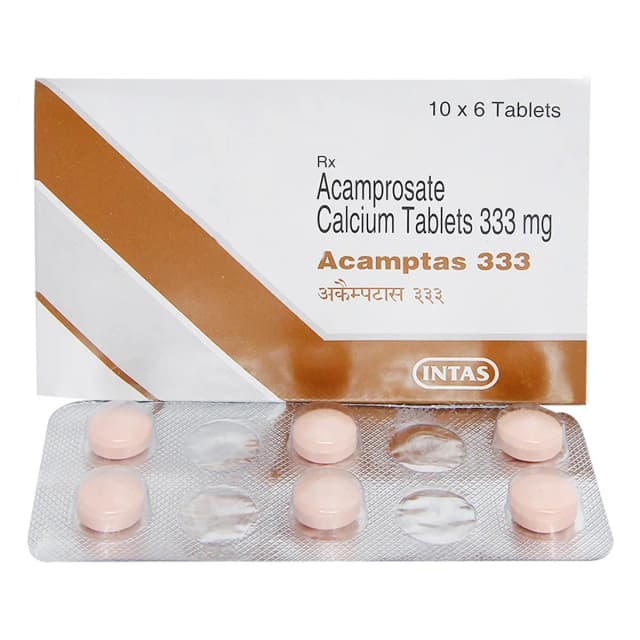
Intas Pharmaceuticals Ltd - Tablet - 333 mg - 10 S
Save ₹10
Prescription required
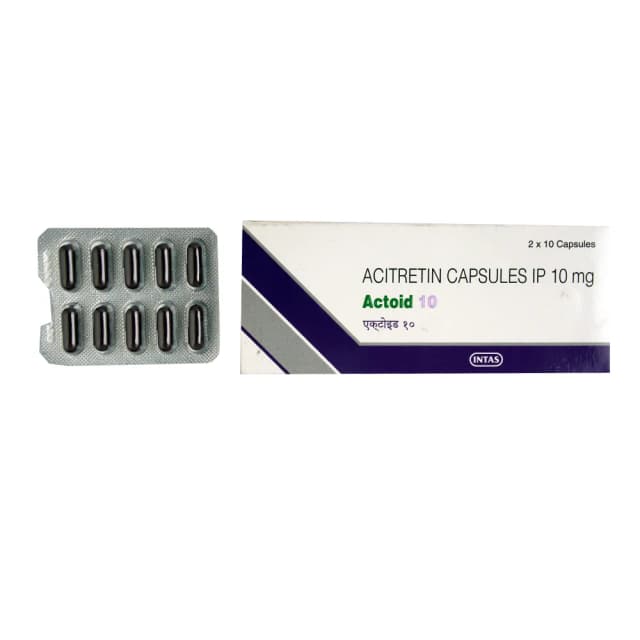
Intas Pharmaceuticals Ltd - Capsule - 10 mg - 10 S
Save ₹19
Prescription required
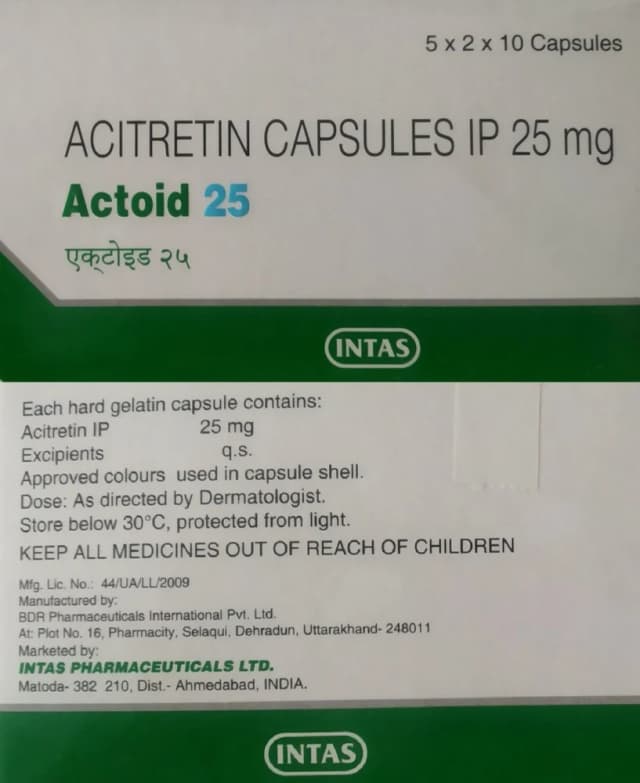
Intas Pharmaceuticals Ltd - Capsule - 25 mg - 10 S
Save ₹32
Prescription required
Intas Pharmaceuticals Ltd - Tablet - 135mg - 10 S
Save ₹14
Prescription required
Intas Pharmaceuticals Ltd - 10 S
Save ₹47
Prescription required
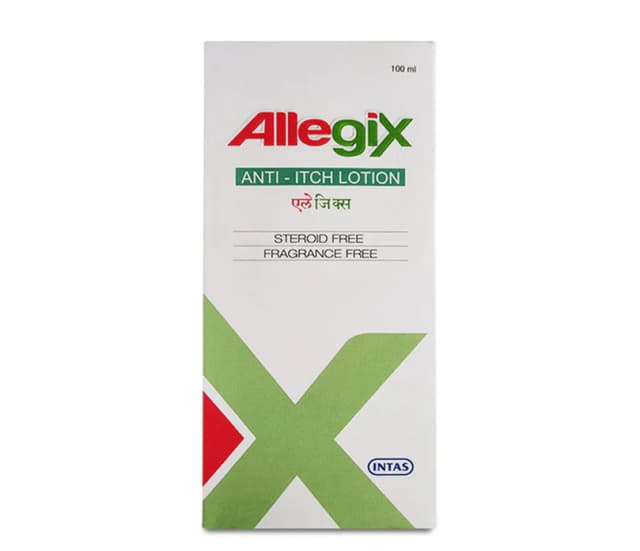
Intas Pharmaceuticals Ltd - Lotion - 100 ml
Save ₹18
Intas Pharmaceuticals Ltd - Tablet - 10 mg - 10 S
Save ₹9
Prescription required
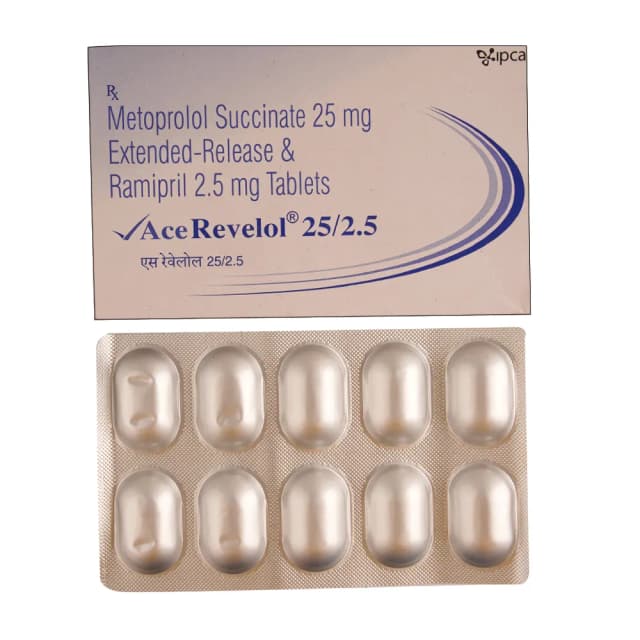
IPCA Laboratories Ltd - 10 S
Save ₹12
Prescription required
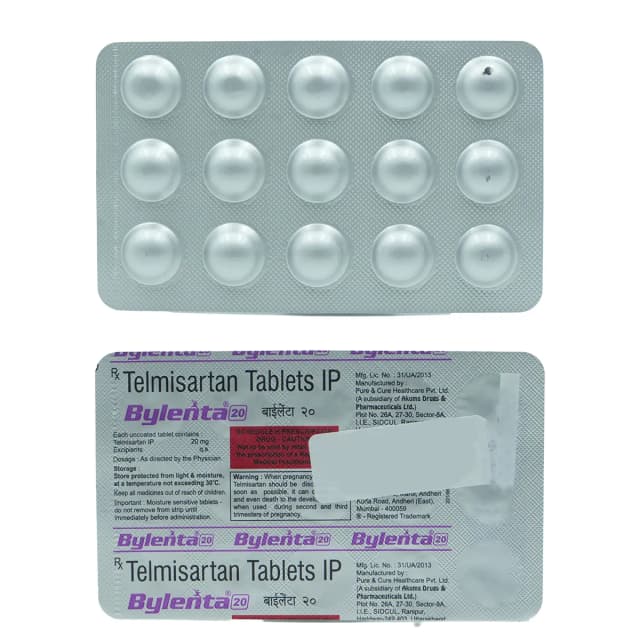
Lloyd Healthcare - Tablet - 40mg + 10mg - 10 S
Save ₹10
Prescription required
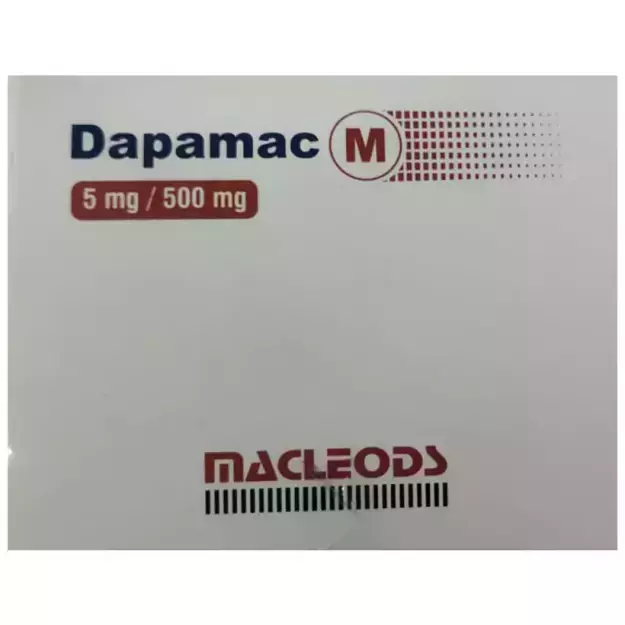
Shrrishti Healthcare Products(I) Pvt Ltd - Tablet - 500mg + 10mg - 10 S
Save ₹5
Prescription required
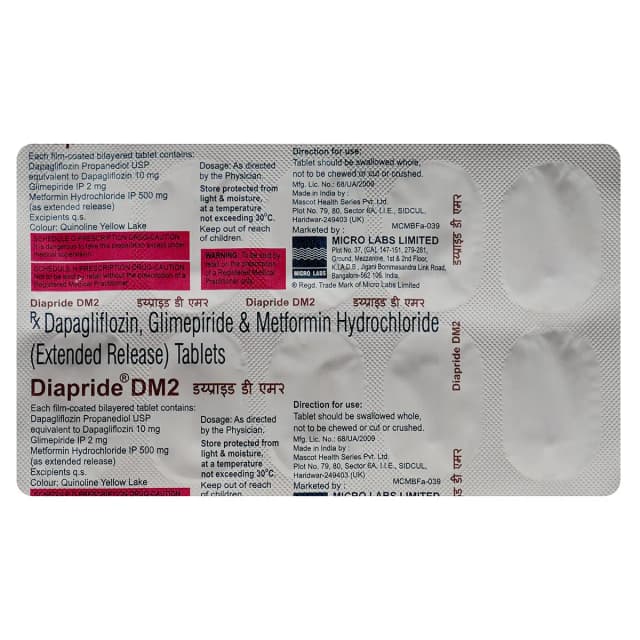
Micro Labs - Tablet - 2mg + 1000mg + 10mg - 10 S
Save ₹8
Prescription required
Lupin Lab - 3 ml
Save ₹74
Prescription required
Lividus Pharmaceuticals Pvt Ltd. - Tablet - 10mg + 5mg - 10 S
Save ₹7
Prescription required
Verse Lifesciences - Tablet - 25mg + 5mg - 10 S
Save ₹6
Prescription required
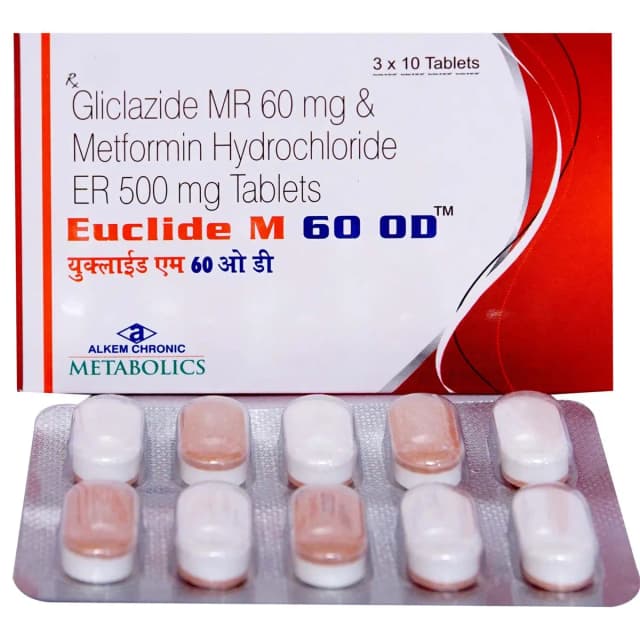
Alkem Lab - Tablet - 500mg + 60mg - 10
Save ₹8
Prescription required
Dr Reddys Laboratories Ltd - Syrup - 60 ml
Save ₹19
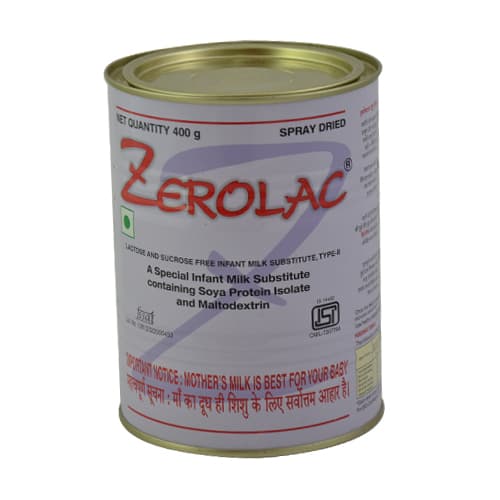
Raptokos & Brett - Powder - 400 G
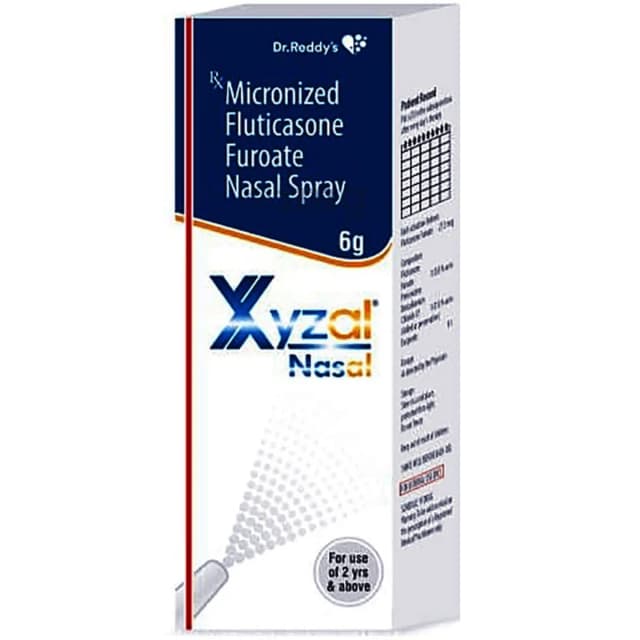
Dr Reddys Laboratories Ltd - Spray - 6 G
Save ₹59
Prescription required
Torrent Pharmaceuticals Ltd - Powder - 1 G
Save ₹3
Prescription required
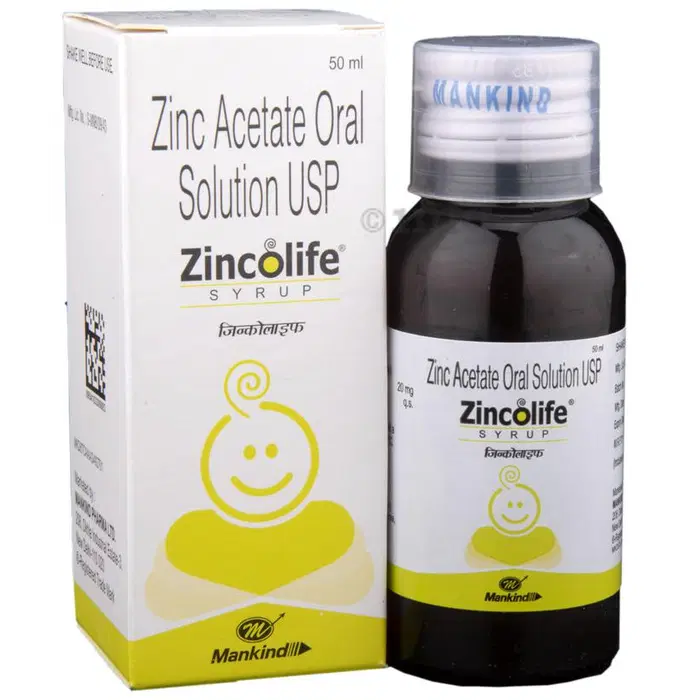
Mankind (Pharma) - Syrup - 50 ml
Save ₹9
Prescription required
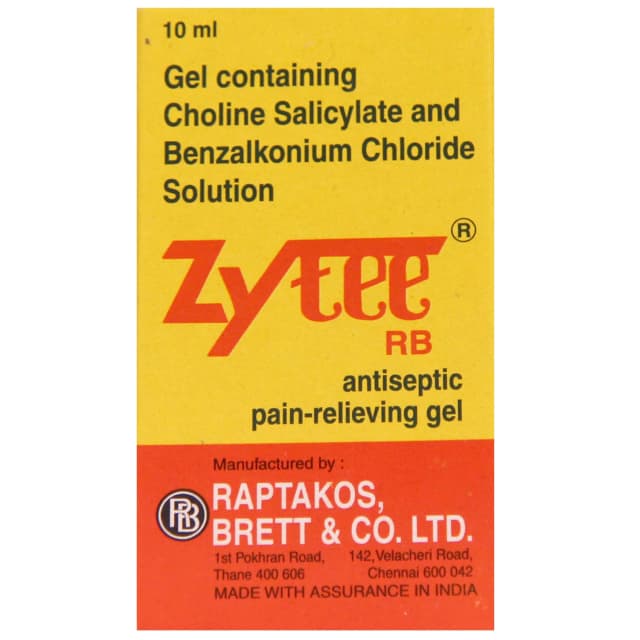
Gel - 10 ml
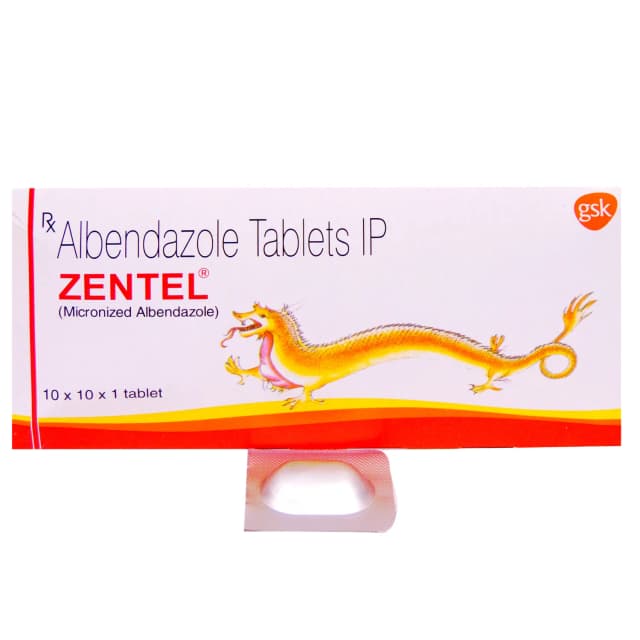
Glaxo Smithkline Pharma - Tablet - 1 Tablet
Save ₹2
Prescription required
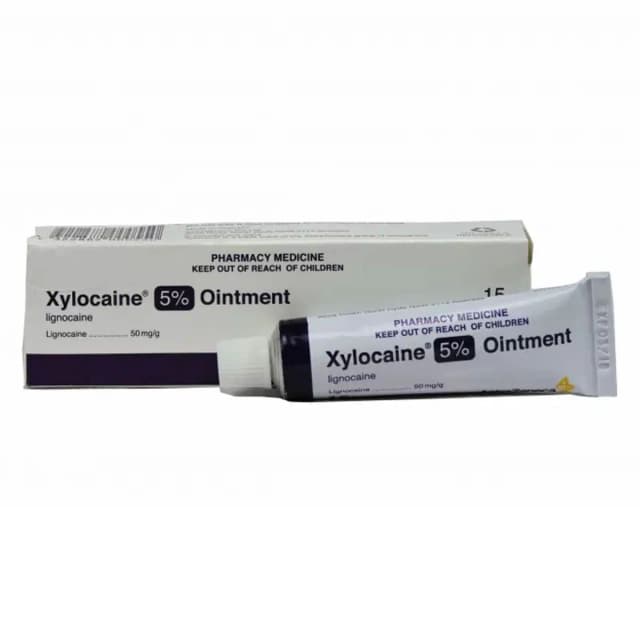
German Remedies - Ointment - 50 G
Save ₹6
Prescription required
Compiled from the manufacturer's prescribing information and the sources below, and reviewed by a registered medical practitioner. It does not replace your own doctor's advice.