
Medically reviewed by Dr. Balaji Krishnan, MBBS · Updated September 2026
How to choose
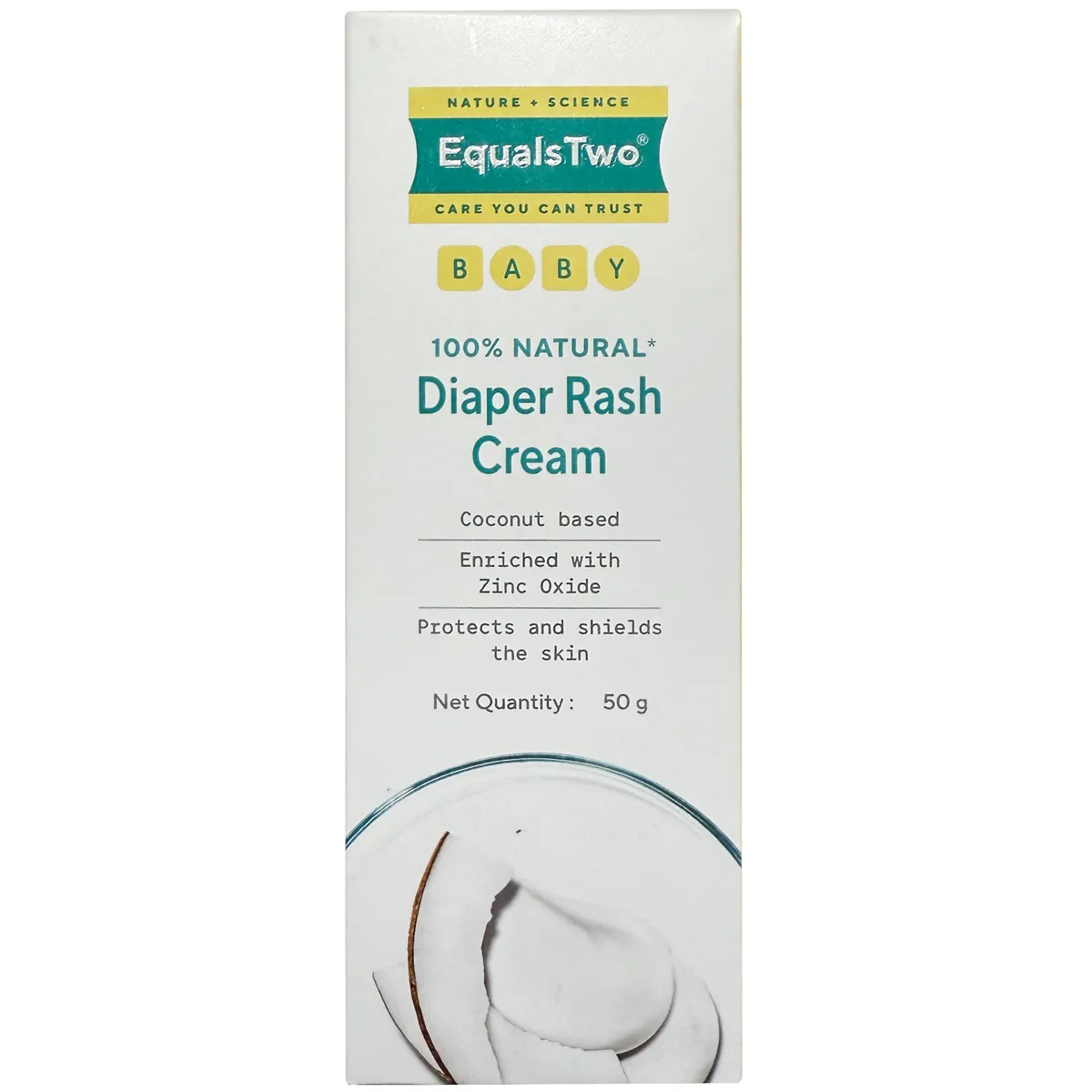
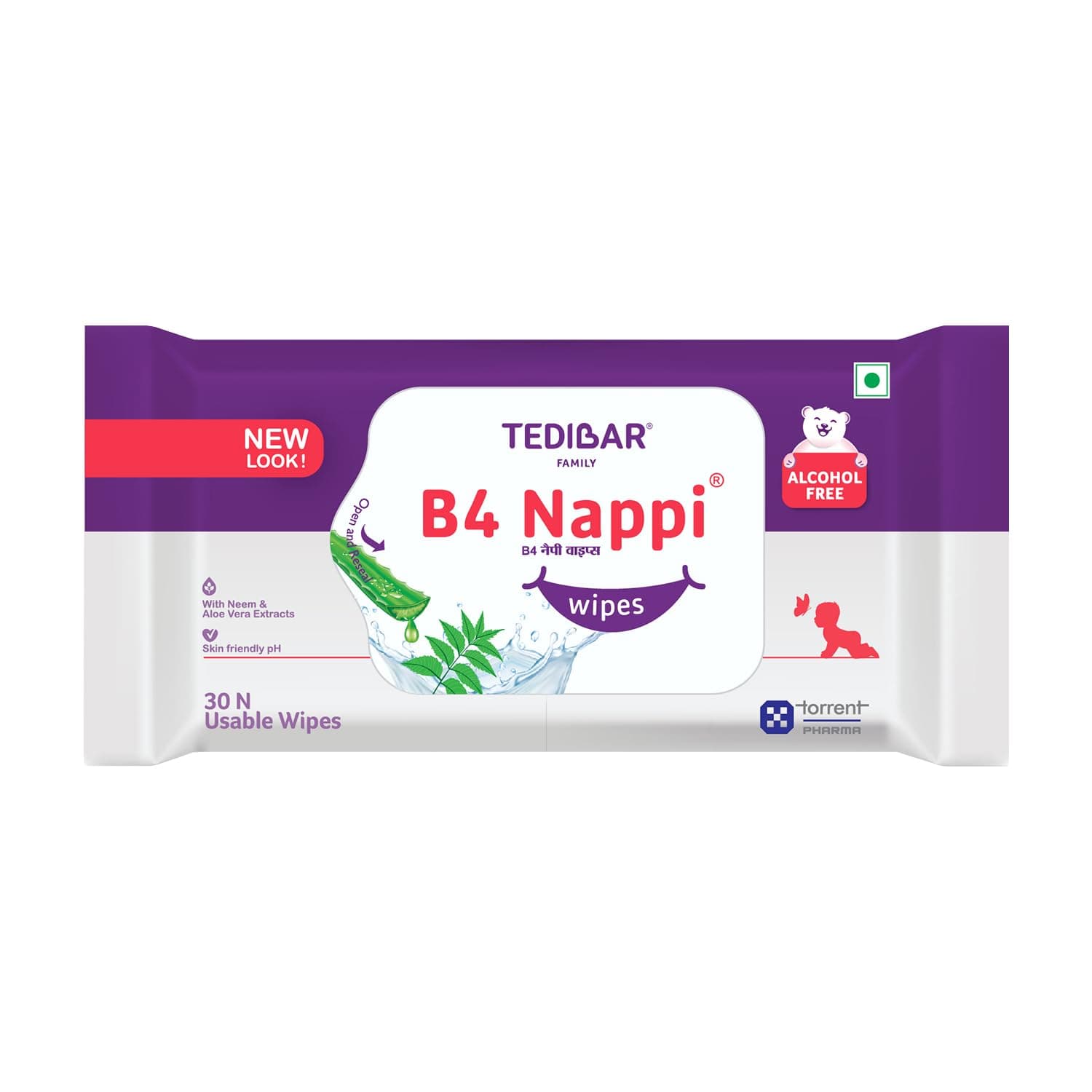
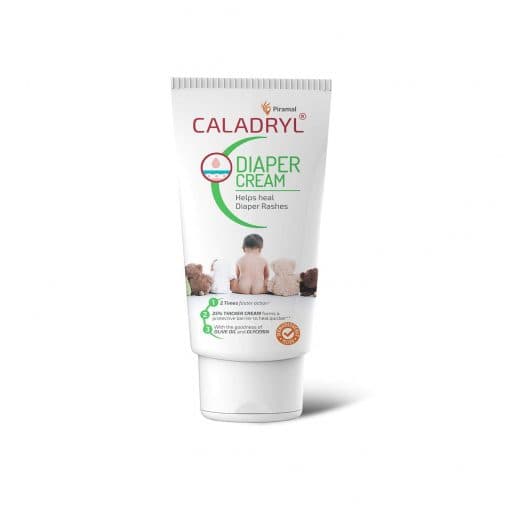
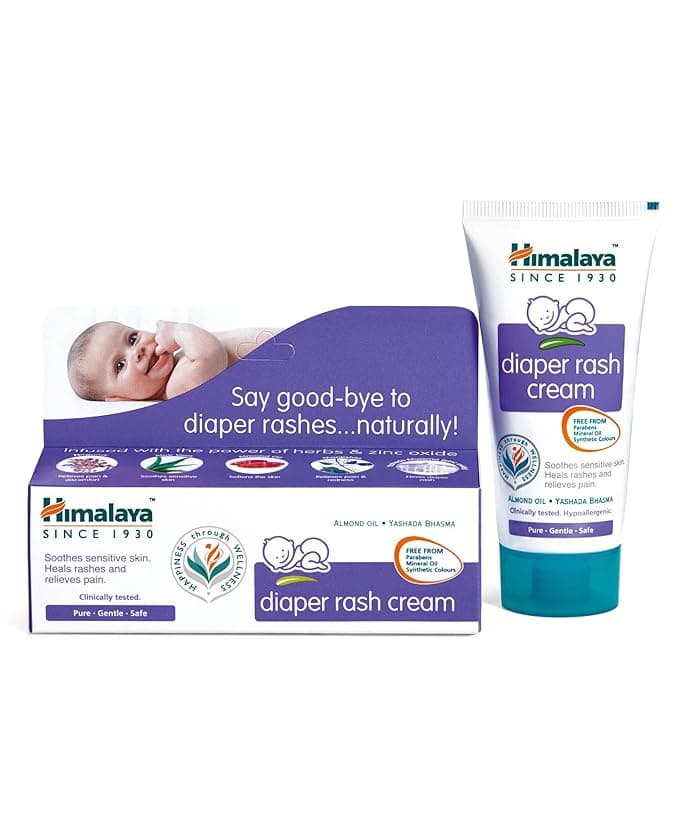
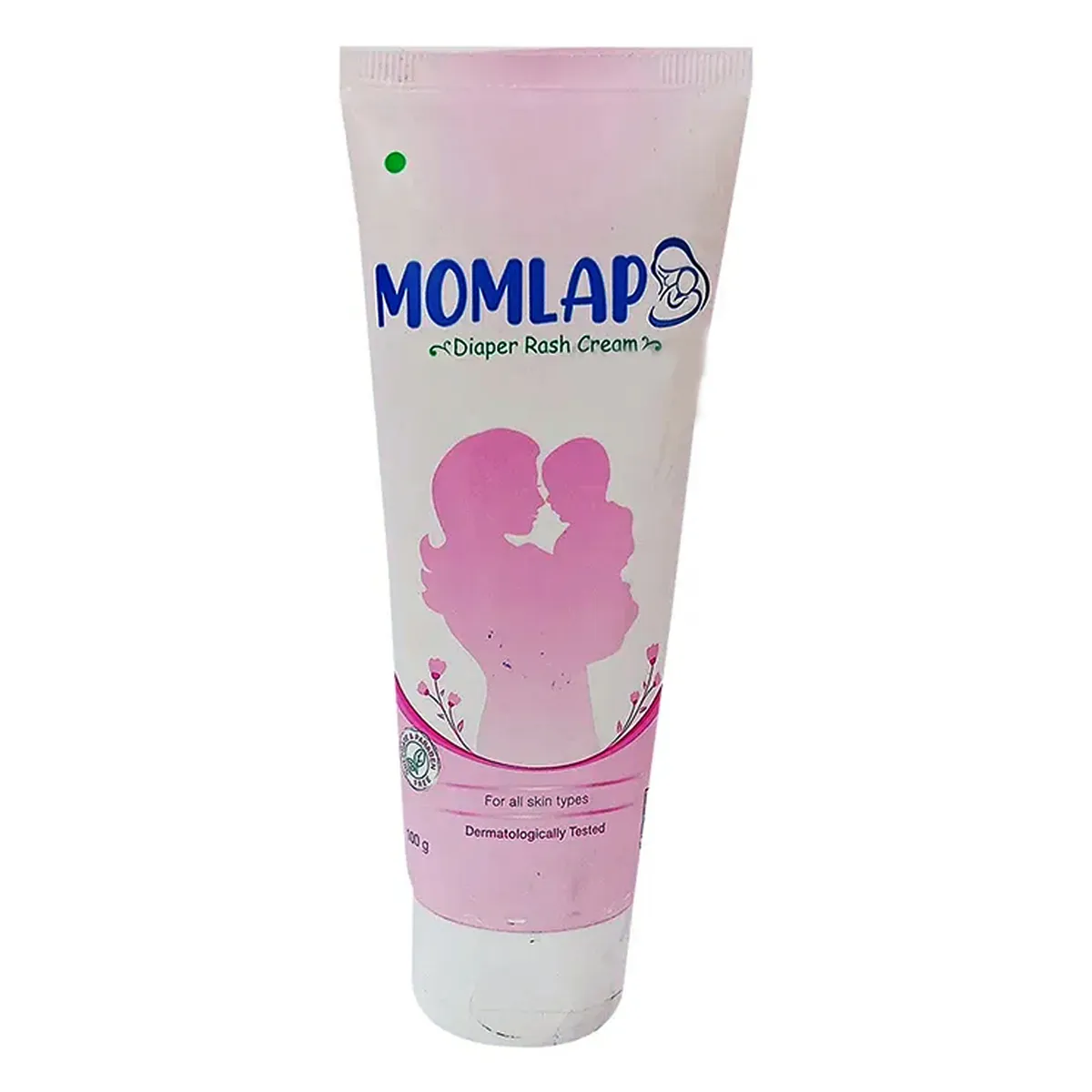
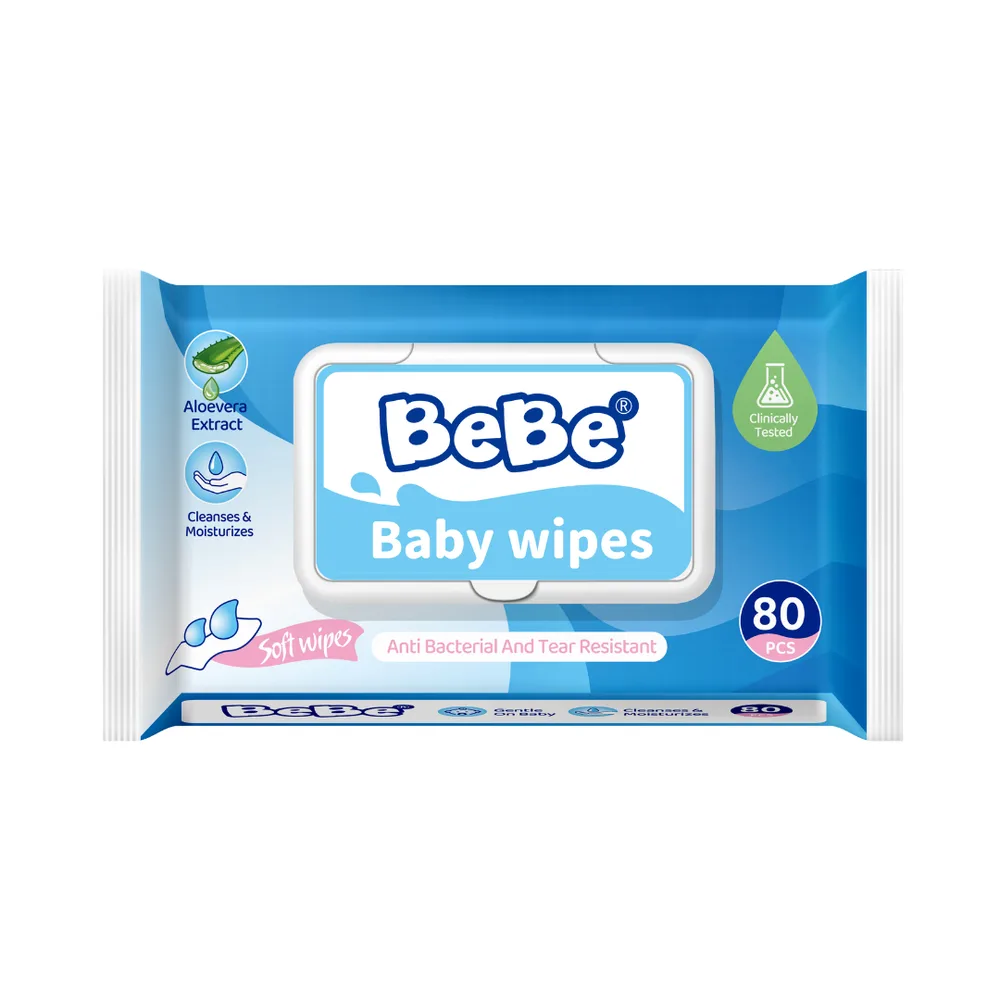
Zinc oxide is the ingredient that matters — 10-15% for everyday prevention, 20%+ (thicker pastes) for active redness. Prevention creams spread easily and suit every-change use; treatment pastes are stiffer and stay put overnight. Avoid fragrance and antiseptics in the base — the skin is already irritated. Lanolin- or petrolatum-rich formulas add water-proofing for long nights. Application technique does half the work: clean gently (water or fragrance-free wipes), pat fully dry, apply a visible white layer — you should still see cream at the next change; rubbing it in until invisible defeats the barrier. There's no need to scrub old cream off each change; wipe the soiled surface layer and re-apply over it. If a rash is bright red with satellite spots, sits deep in the folds, or isn't clearly better after 3 days of barrier cream, it's likely a yeast rash — that needs a paediatrician and an antifungal, not more zinc.
Who really needs this
Every diaper-wearing baby, as prevention — the cheapest insurance in the changing bag. Especially during diarrhoea episodes (stool enzymes burn skin within hours), teething (stools turn looser), long overnight stretches, and diaper-brand changes. Also useful for adults using incontinence products. Not the tool for: yeast rashes, weeping or blistered skin, or rashes with fever — see a doctor for those.





![Baby Wet Wipes With Lid [cozy]](/_next/image?url=https%3A%2F%2Fmpvappfddarnayczatim.supabase.co%2Fstorage%2Fv1%2Fobject%2Fpublic%2Fproduct-images%2Fpharmacy%2Fbaby-wet-wipes-with-lid-cozy-rm6408b9ae.webp&w=3840&q=75)