Medically reviewed by Dr. Balaji Krishnan, MBBS · Updated September 2026
How to choose
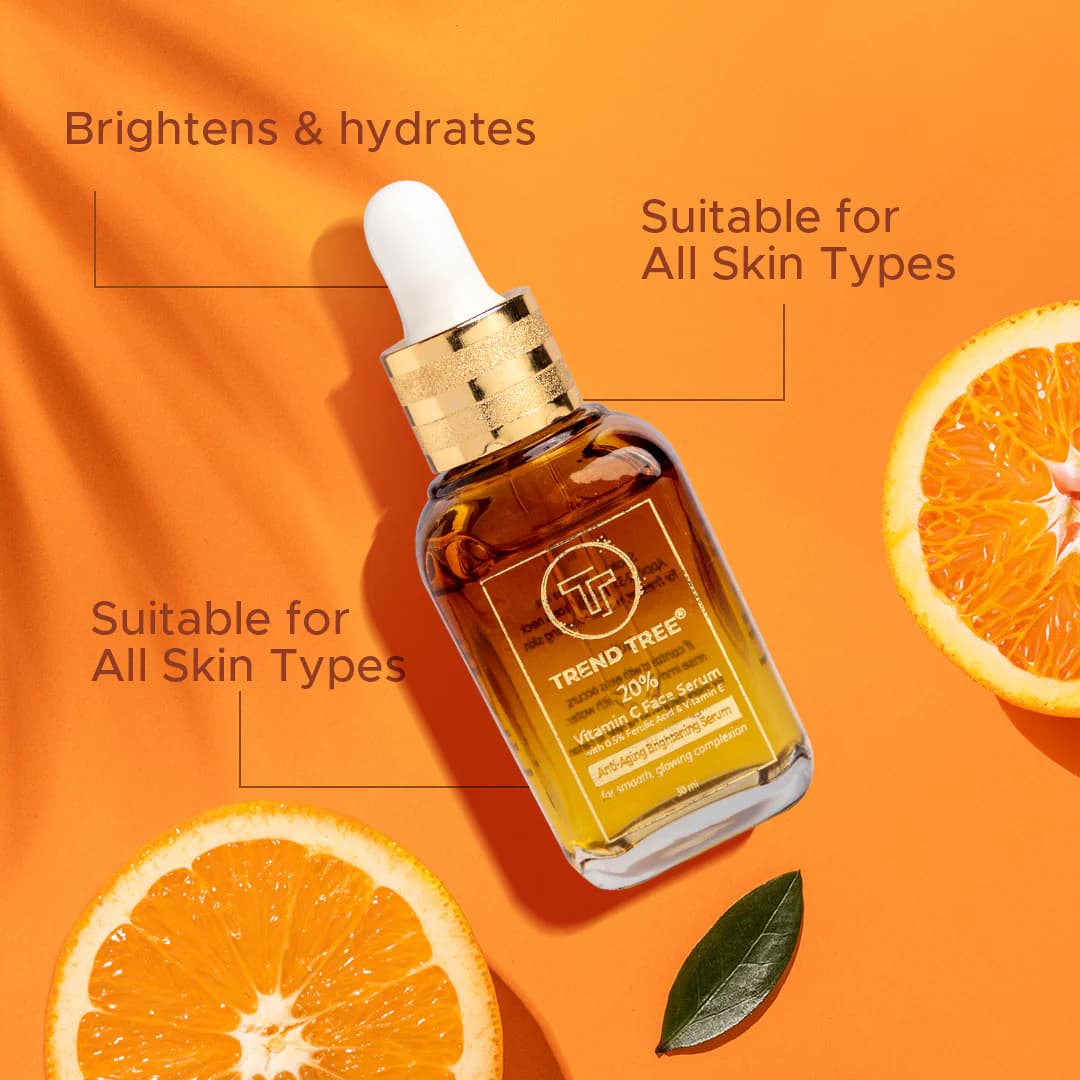
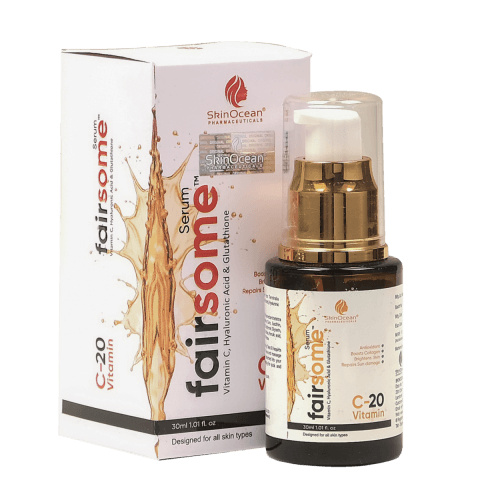
Look at the form of vitamin C, not just the percentage. L-Ascorbic Acid (LAA) is the gold-standard form — research-backed but unstable (turns orange/brown when oxidised). Derivatives like Sodium Ascorbyl Phosphate (SAP), Magnesium Ascorbyl Phosphate (MAP) and Ascorbyl Glucoside are more stable and gentler — better for sensitive skin but slower-acting. Tetrahexyldecyl Ascorbate is a fat-soluble form that penetrates deeper and is stable — premium serums use it. Strength: 10% is the sweet spot for most people; 15-20% is for tolerant, oily skin; 5% if you're sensitive or pregnant. Always check pH — LAA only works under pH 3.5, which can sting. Look for added stabilisers: vitamin E and ferulic acid roughly double LAA's effectiveness. Packaging matters too: opaque, airtight bottles (not dropper bottles in clear glass) preserve potency.
Who really needs this
Best for: dull skin, post-acne dark marks (PIH), uneven skin tone, sun-damaged skin, anyone over 25 wanting an anti-ageing boost. Skip or be cautious if: you have very sensitive or rosacea-prone skin (start with derivatives, not LAA), you're using daily retinol (alternate days), you're already using lots of acid exfoliants. Pregnancy and breastfeeding: vitamin C is considered safe.