
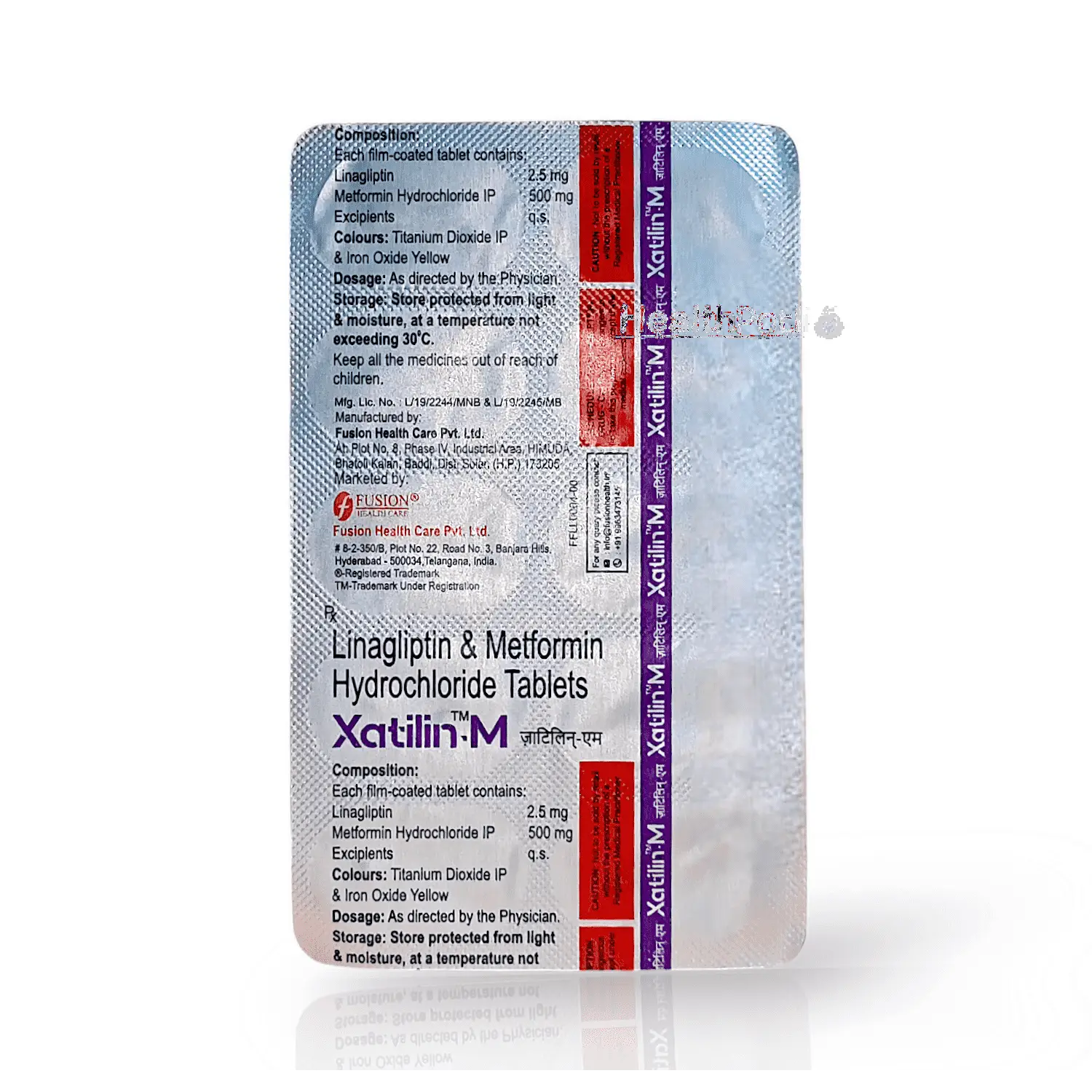
Xatilin M 5/500 mg Tablet
tablet - 500mg - 10 S
FUSION HEALTH CARE
₹121₹127
Save ₹6
Prescription required
Check delivery at checkout
Tablet · 50mg + 2.5mg · 10`S
Inclusive of all taxes
Free delivery above ₹999 · ₹49 delivery fee on orders from ₹499, ₹99 below that
Prescription required — upload during checkout. No prescription? Place the order and a doctor will call you free of charge before it ships.
Atenolol (50mg) + Indapamide (2.5mg)
Aten D Tablet contains Atenolol (50mg) + Indapamide (2.5mg). Prescription required.
Monograph
Aten D Tablet contains Atenolol (50mg) + Indapamide (2.5mg). Verified details for this pack are not available yet. Refer to the product information leaflet inside the pack, or consult your doctor or pharmacist before use.
Store below 25°C in a dry place, protected from light and moisture. Keep in original strip and out of reach of children.
At a glance
Good to know

Brand
ZYDUS HEALTHCARE PHARMA
View all products from this brand
Manufacturer
ZYDUS HEALTHCARE PHARMA
Medical disclaimer: product information is for awareness only and does not replace medical advice. For Rx medicines, a valid prescription is required. Consult your doctor or pharmacist for personalised guidance.
Other products patients also browse for similar needs.
tablet - 500mg - 10 S
FUSION HEALTH CARE
Save ₹6
Prescription required
Check delivery at checkout
tablet - 15 S
VERSE LIFESCIENCES
Save ₹9
Prescription required
Check delivery at checkout
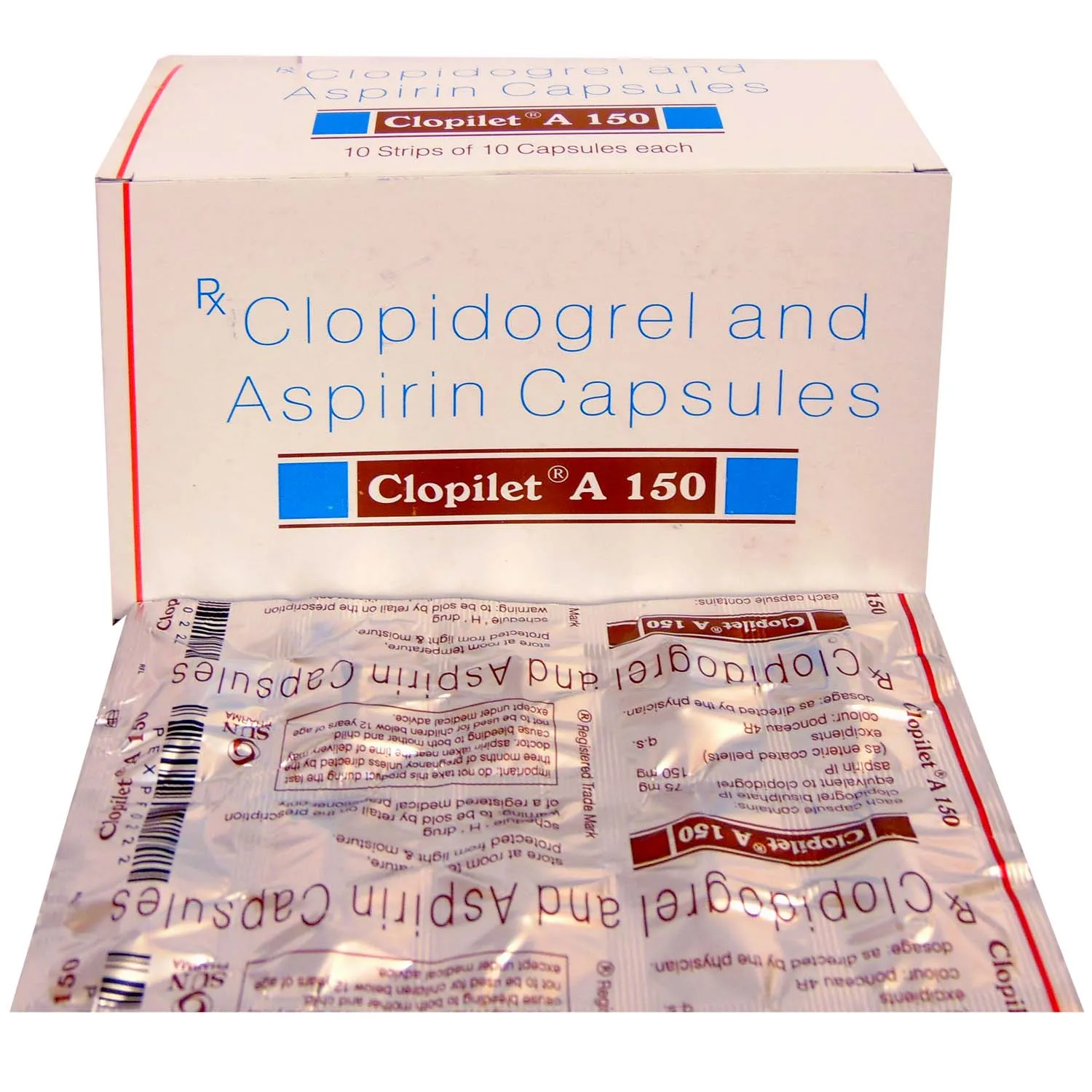
capsule - 15 Capsules

SUN PHARMA
Save ₹11
Prescription required
Check delivery at checkout
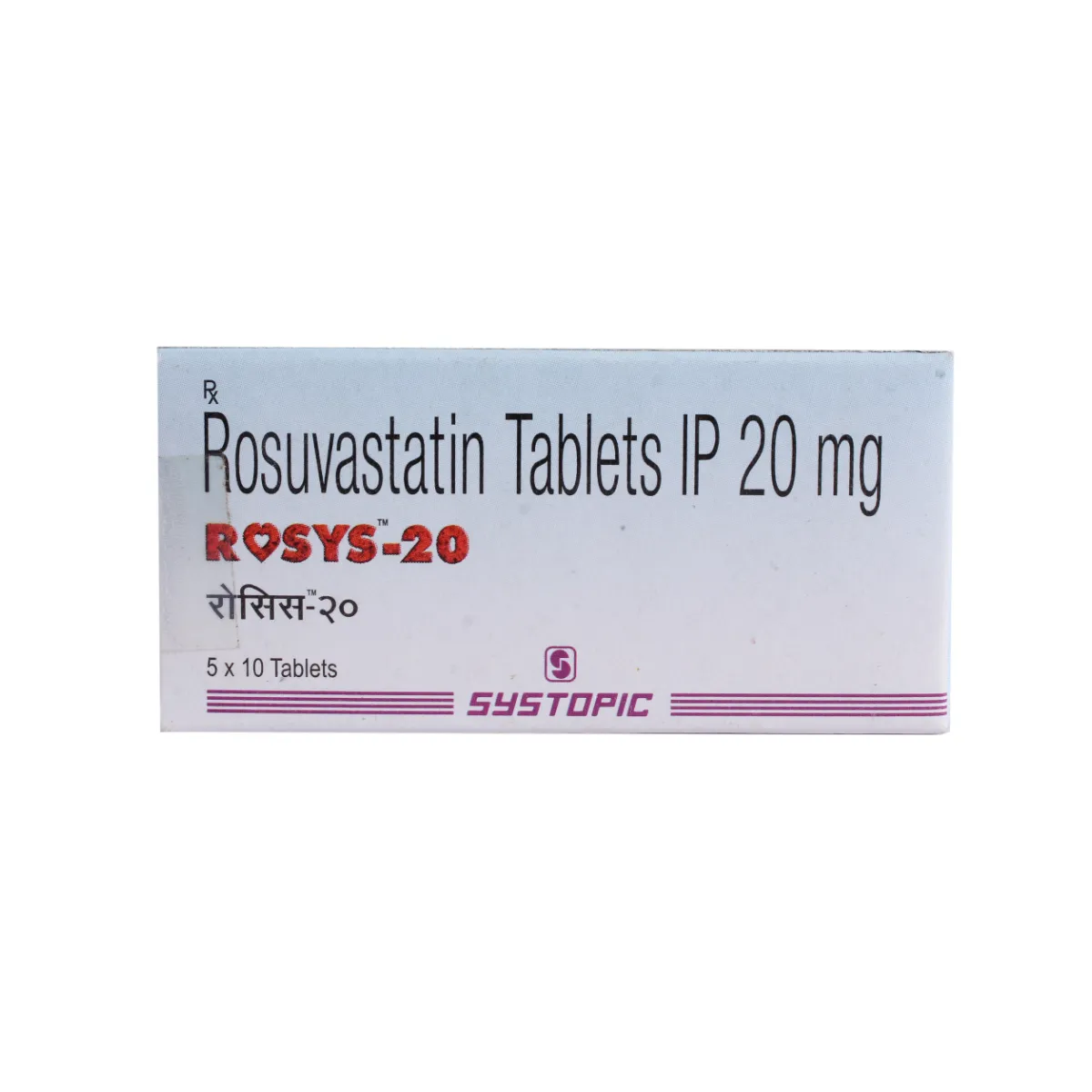
tablet - 20 mg - 10 S
SYSTOPIC LAB
Save ₹5
Prescription required
Check delivery at checkout
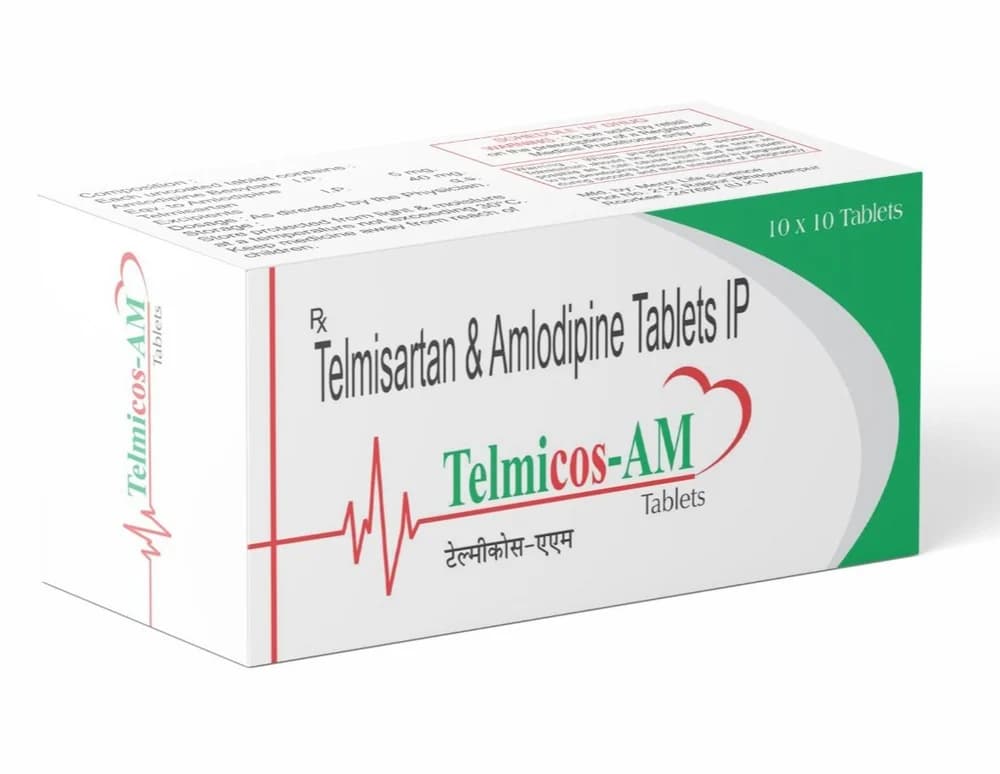
tablet - 10 S
DRS CHOICE PHARMACEUTICALS
Save ₹4
Prescription required
Check delivery at checkout
Same brand, other products you might also want.
tablet - 90 mg - 10 S
ZYDUS HEALTHCARE PHARMA
Save ₹15
Prescription required
Check delivery at checkout
tablet - 5mg - 30 S
ZYDUS HEALTHCARE PHARMA
Save ₹4
Prescription required
Check delivery at checkout
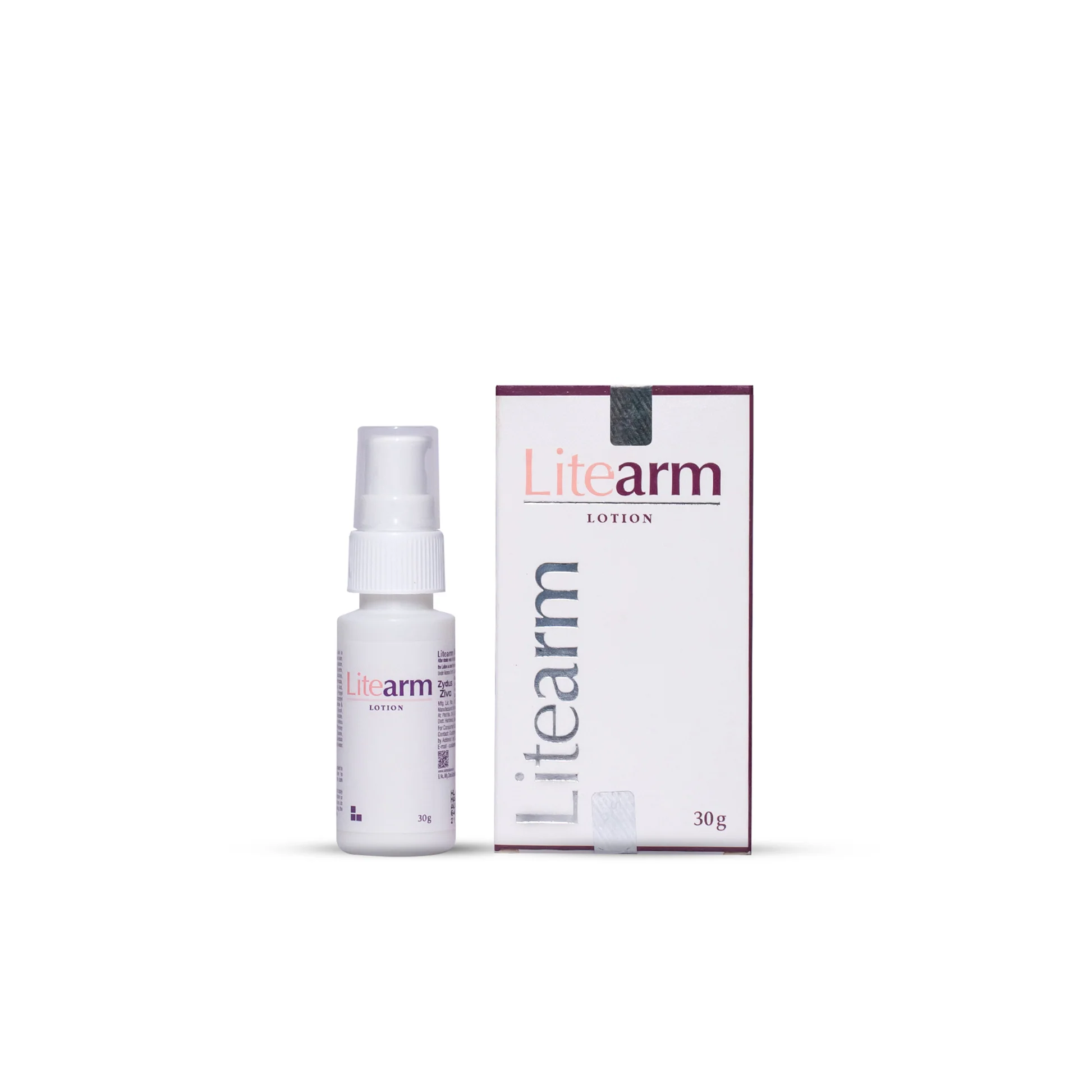
lotion - 30 ml
ZYDUS HEALTHCARE PHARMA
Save ₹37
Prescription required
Check delivery at checkout
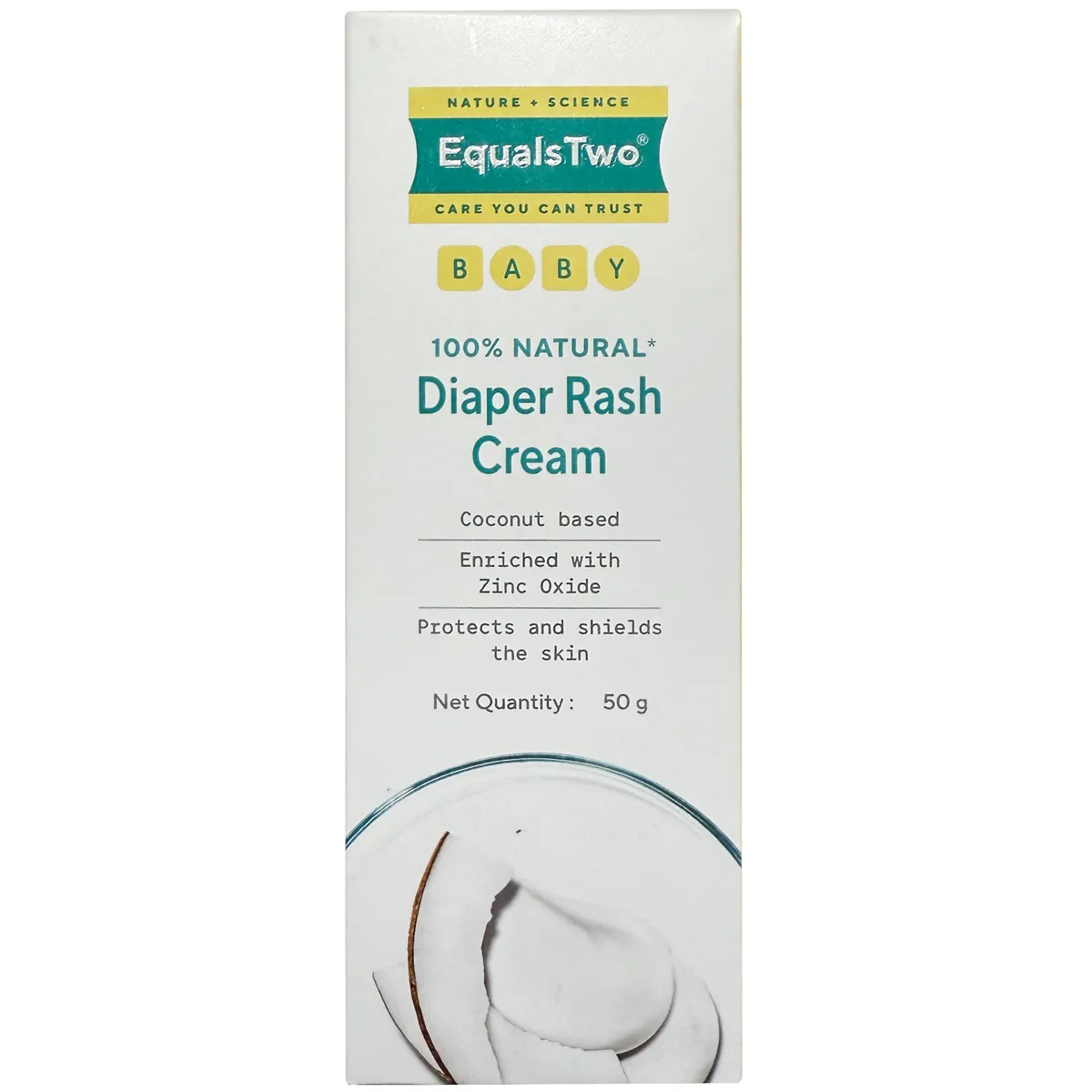
cream - 50 g
ZYDUS HEALTHCARE PHARMA
Save ₹15
Check delivery at checkout
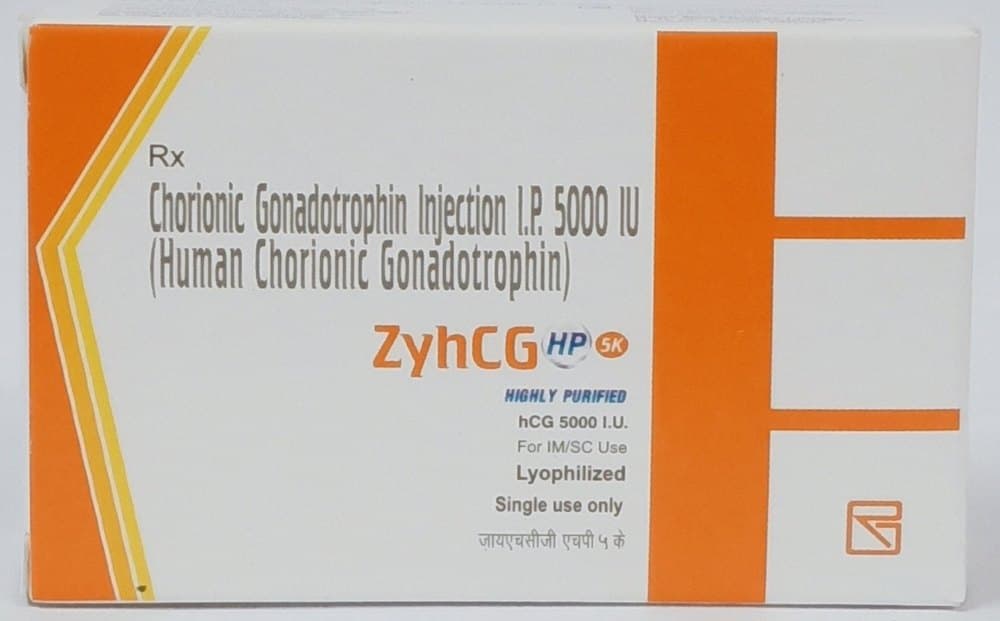
vial - VIAL
ZYDUS HEALTHCARE PHARMA
Save ₹22
Prescription required
Check delivery at checkout
capsule - 4 S
ZYDUS HEALTHCARE PHARMA
Save ₹5
Prescription required
Check delivery at checkout