Tablet · 15`S
Inclusive of all taxes
Prescription required — upload during checkout when prompted.
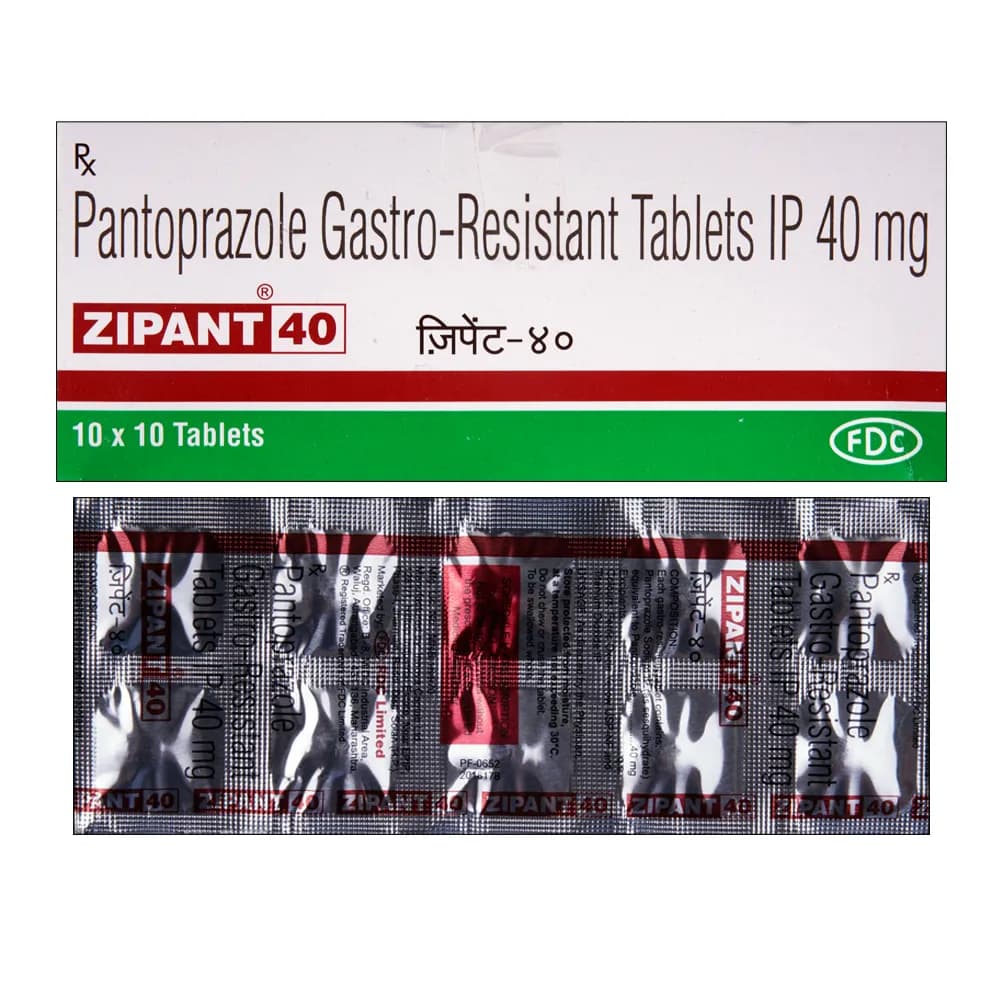
Pantoprazole (40mg)
Zipant 40 Tablet contains Pantoprazole (40mg). Prescription required.
Before you take it
Consult doctor (generally considered low risk when needed)
Breast feeding CONSULT YOUR DOCTOR
Use with caution (alcohol can worsen acidity/GERD symptoms)
Driving SAFE
Kidney SAFE IF PRESCRIBED
Liver CAUTION
Monograph
Zipant 40 Tablet contains Pantoprazole (40mg). Prescription required.
Treatment of gastroesophageal reflux disease (GERD), erosive esophagitis, gastritis and acidity/heartburn; peptic/duodenal ulcer; prevention of NSAID-induced ulcers; part of H. pylori eradication therapy with antibiotics; Zollinger–Ellison syndrome
Pantoprazole is a proton pump inhibitor (PPI). It irreversibly blocks the H+/K+-ATPase (proton pump) in stomach parietal cells, thereby reducing gastric acid secretion and relieving acid-related symptoms while allowing ulcers to heal.
Tablet (enteric-coated): take as advised by doctor, commonly 40 mg once daily, preferably 30–60 minutes before food (usually before breakfast). Swallow whole; do not crush or chew. Duration depends on condition.
Headache,diarrhea,nausea,abdominal pain,flatulence,constipation,dizziness
Use with caution in severe liver disease; long-term use may increase risk of vitamin B12 deficiency, low magnesium, bone fractures and gut infections (e.g., C. difficile). Seek medical advice if alarm symptoms occur (unexplained weight loss, persistent vomiting, blood in vomit/stool, black stools, difficulty swallowing). May mask symptoms of gastric cancer—evaluate if symptoms persist. If used long-term, periodic review is recommended.
Warfarin (monitor INR),methotrexate (high-dose; increased levels),digoxin/diuretics (risk of hypomagnesemia),atazanavir/nelfinavir (reduced effect; avoid),ketoconazole/itraconazole/posaconazole/erlotinib (reduced absorption),clopidogrel (possible reduced activation; monitor/consider alternative)
Store below 25°C in a dry place, protected from light and moisture. Keep out of reach of children.
Pantocid 40 Tablet,Pan 40 Tablet,Protonix 40 Tablet,Pantop 40 Tablet,Pantoprazole 40 mg (generic) Tablet
At a glance
Good to know
Brand
FDC Ltd
View all products from this brand
Manufacturer
FDC LIMITED
Medical disclaimer: product information is for awareness only and does not replace medical advice. For Rx medicines, a valid prescription is required. Consult your doctor or pharmacist for personalised guidance. Sources: Manufacturer labeling/pack insert,CDSCO-approved drug information,Established medical literature (PPIs),Indian Pharmacopoeia (pantoprazole)
Other products patients also browse for similar needs.
oral - 10 X5 ml
Tablets India Limited
Prescription required
Check delivery at checkout
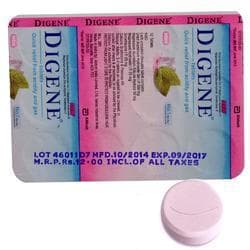
capsule - 10 S
R.B.PHARMACEUTICALS
Prescription required
Check delivery at checkout
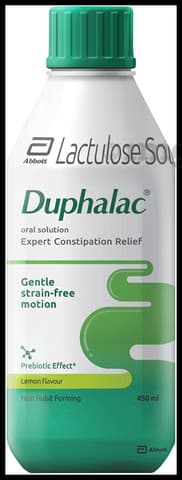
solution - 150 ml
Abbott India Limited
Prescription required
Check delivery at checkout
suspension - 100 ml
RPG LIFE SCIENCES LIMITED
Prescription required
Check delivery at checkout
Same brand, other products you might also want.
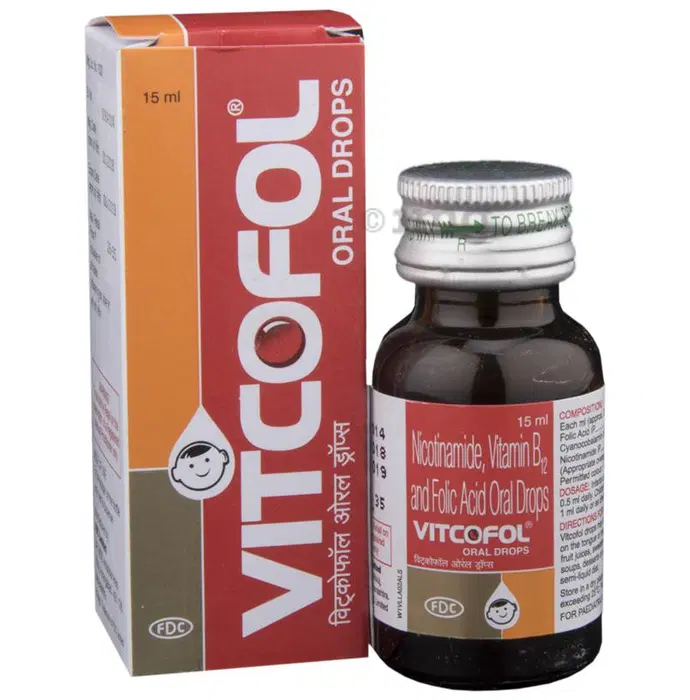
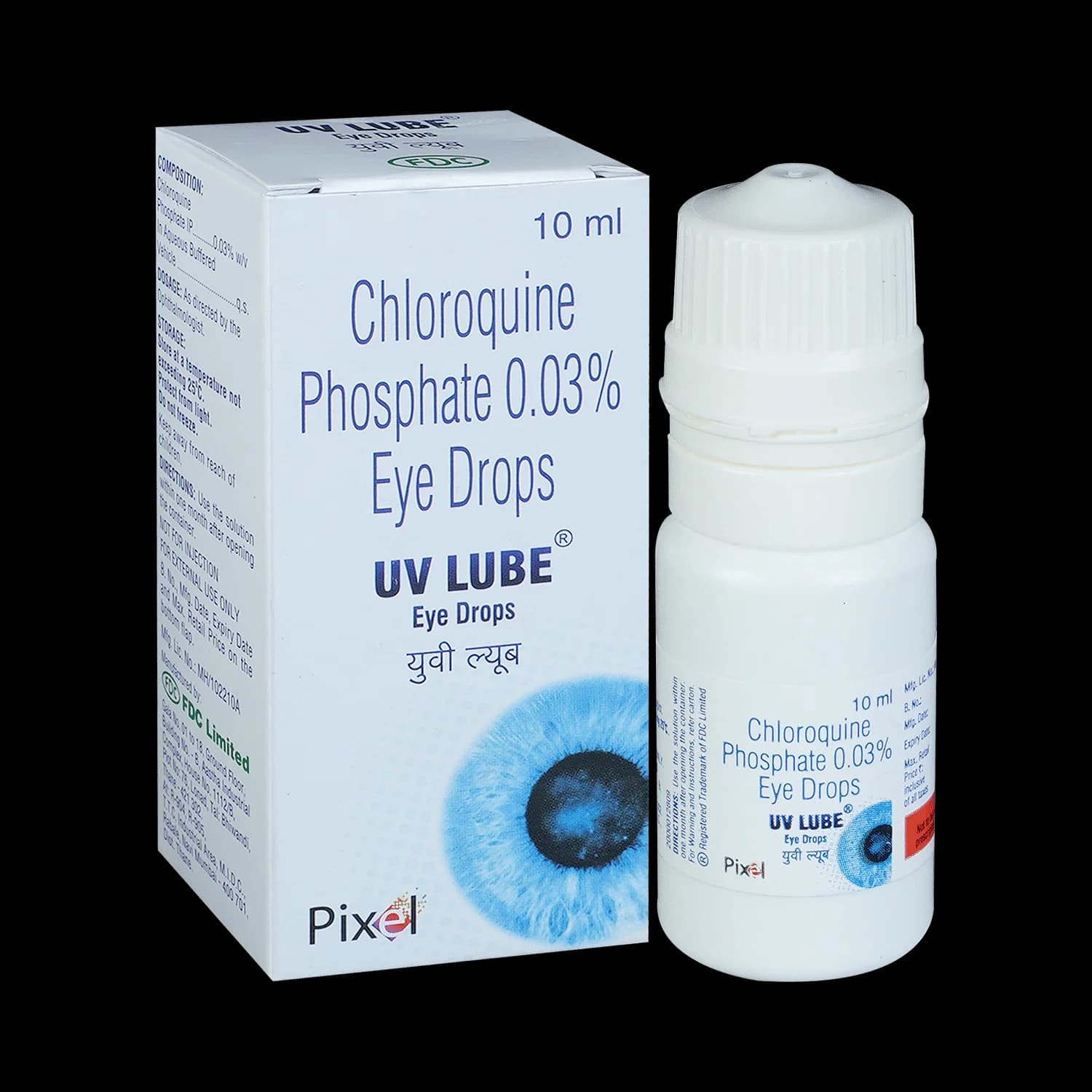

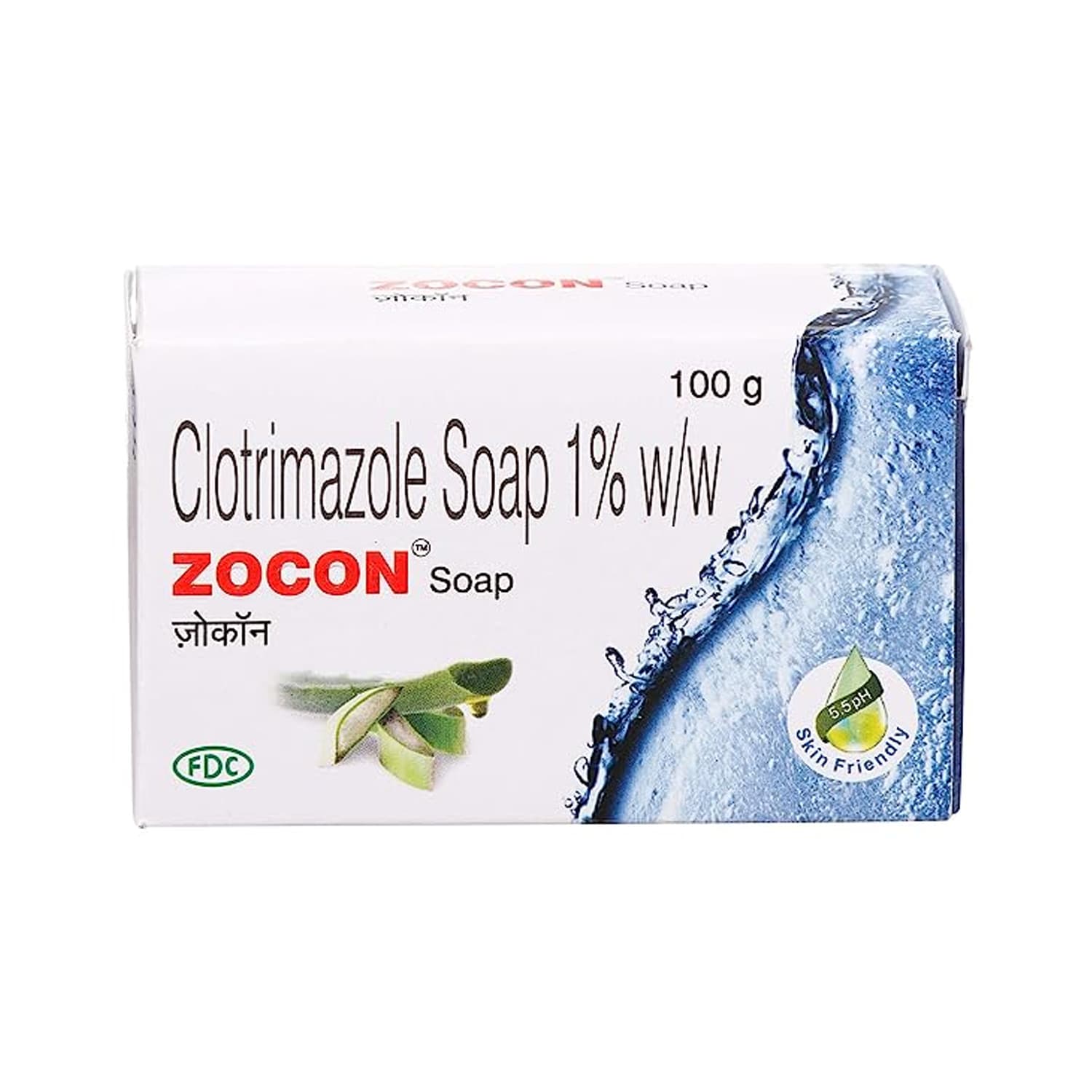
syrup - 100 mg - 30 ml
FDC Ltd
Prescription required
Check delivery at checkout