Why loose motion & diarrhoea happens
Diarrhoea is your gut emptying itself faster than usual — either because something has irritated it (a virus, food poisoning, contaminated water) or because of an immune reaction (food intolerance, IBS, inflammatory bowel disease). Acute infectious diarrhoea is the commonest cause in India — viruses (rotavirus, norovirus), bacteria (E. coli, Salmonella, Shigella) and parasites (Giardia, Entamoeba). Travellers' diarrhoea after eating roadside food or drinking untreated water is a classic example. Chronic diarrhoea (over 4 weeks) has different causes — IBS, lactose intolerance, coeliac disease, thyroid issues and inflammatory bowel disease all need workup.
What helps — OTC options & advice
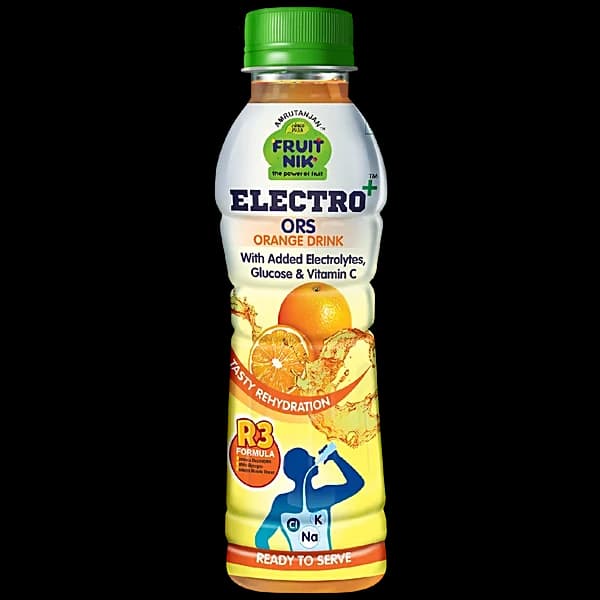
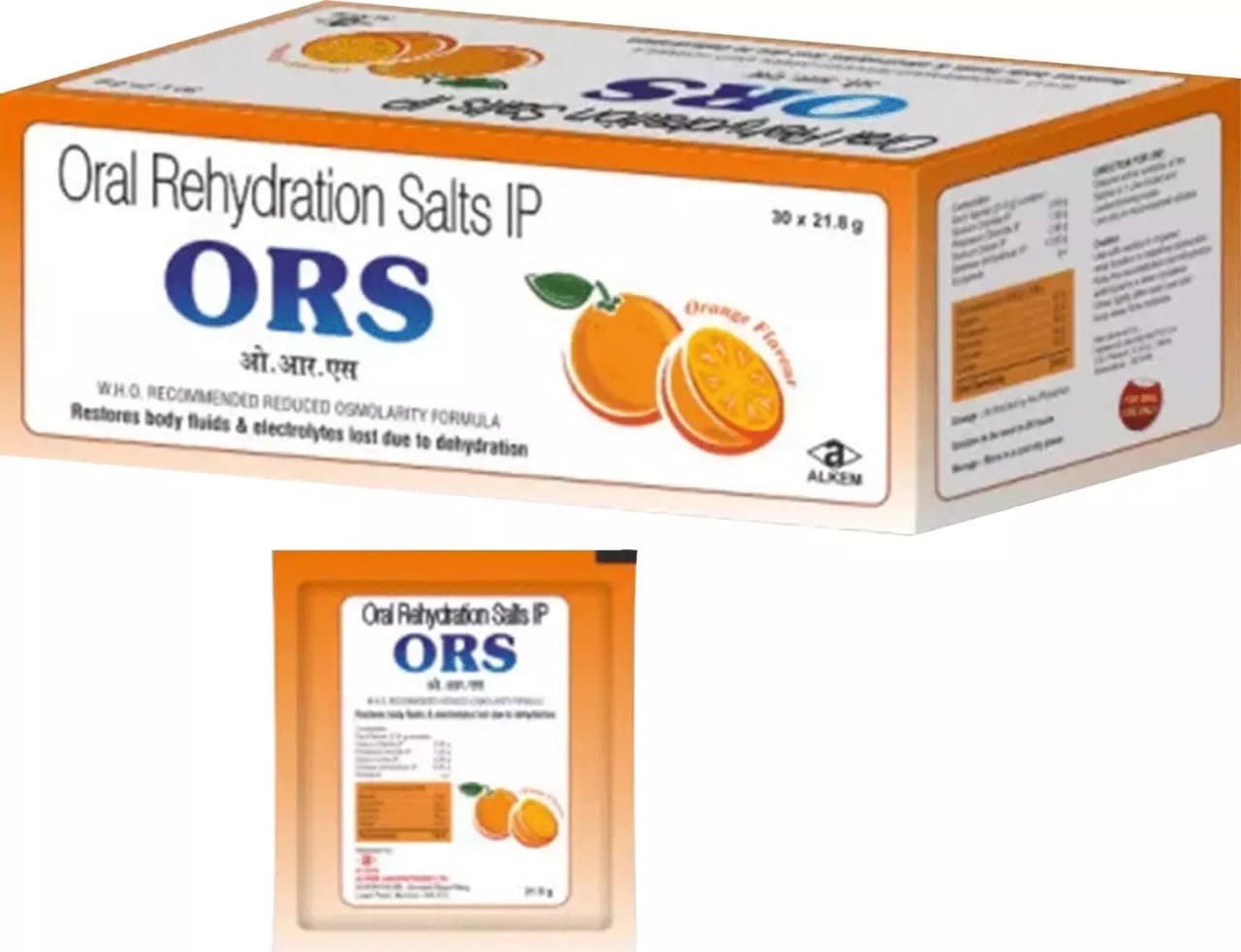
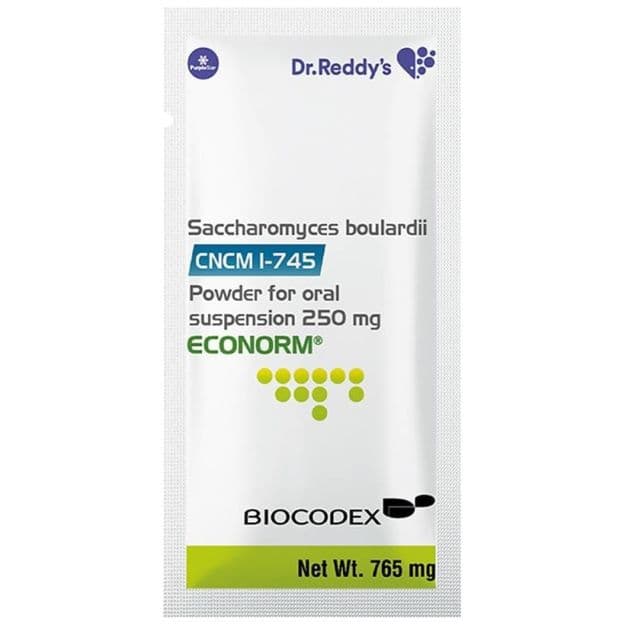
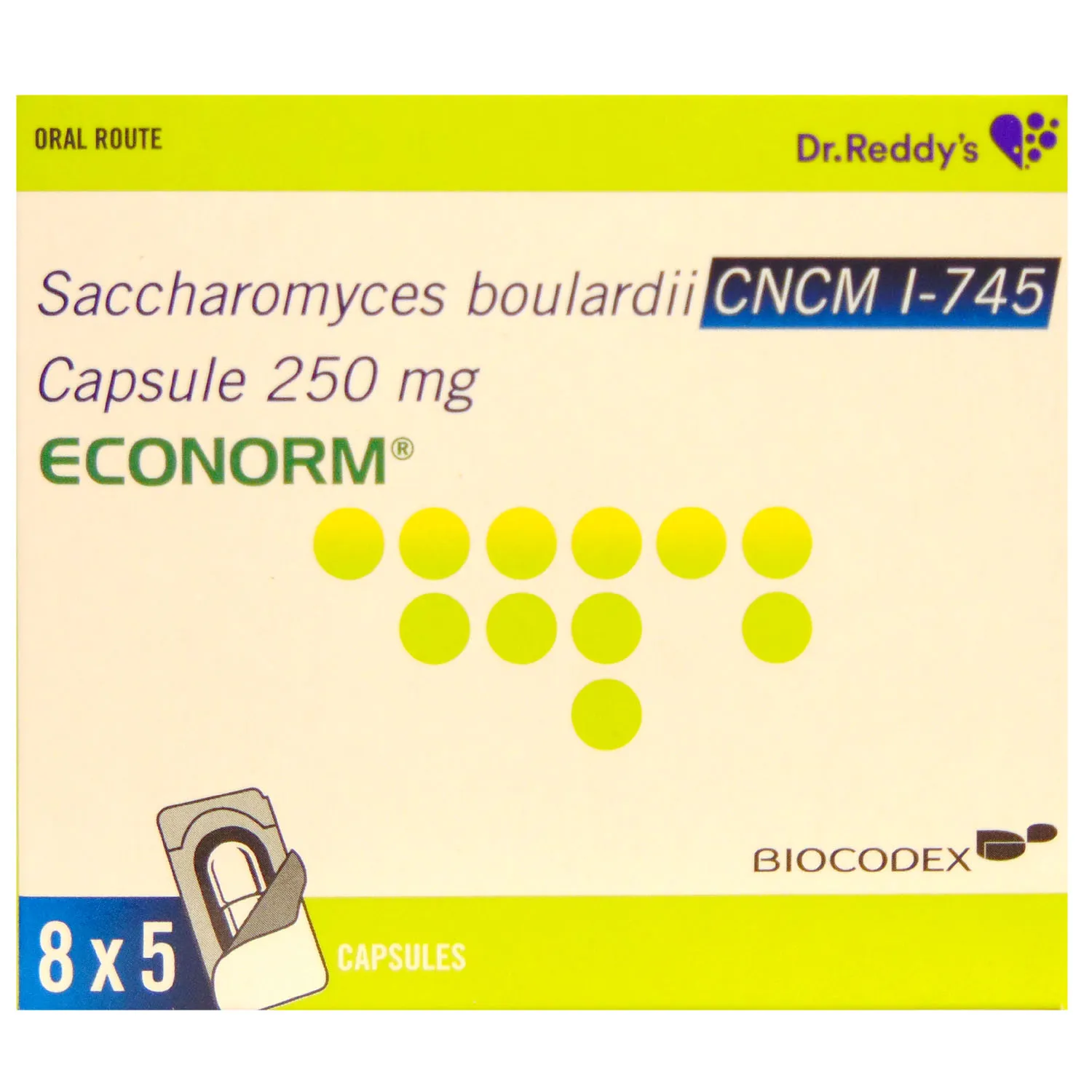
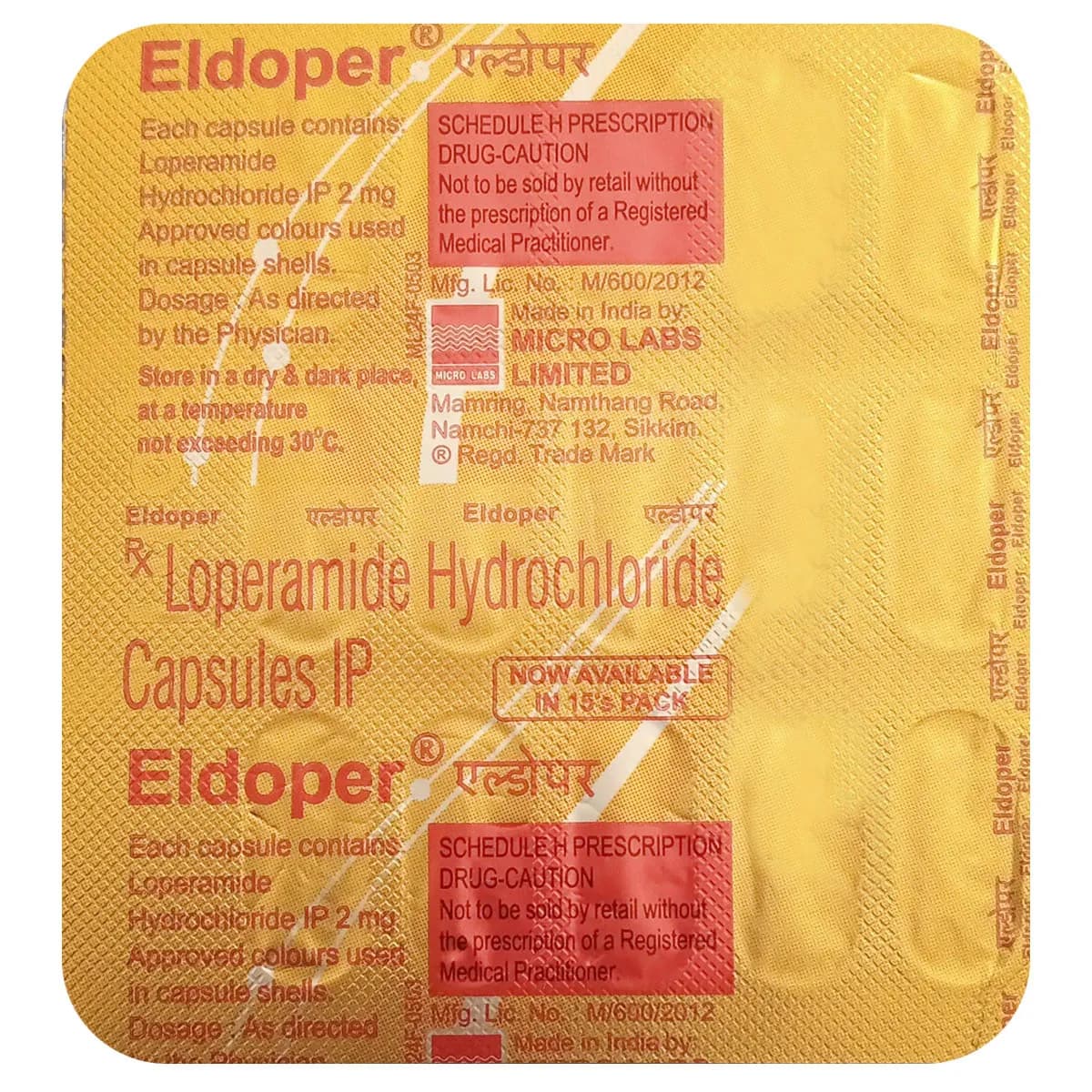
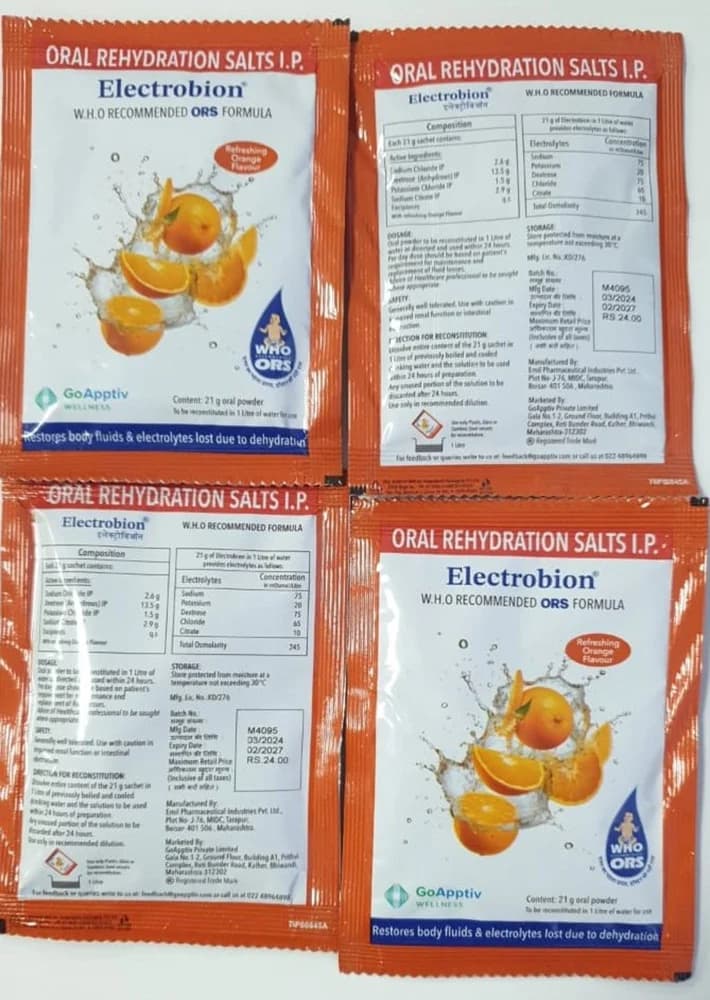
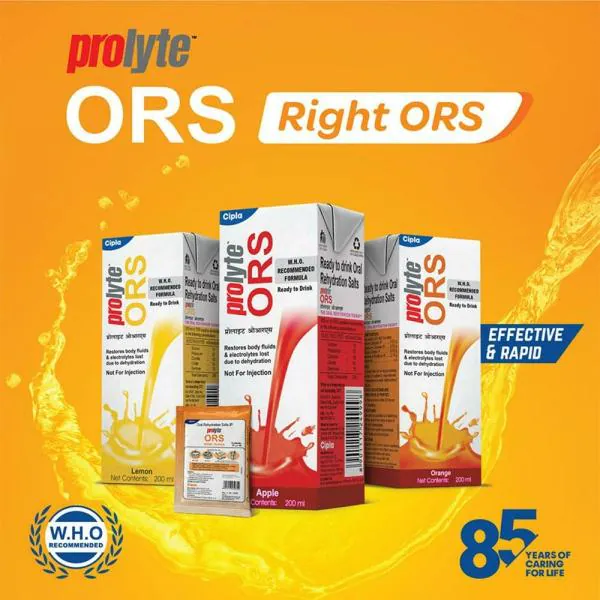
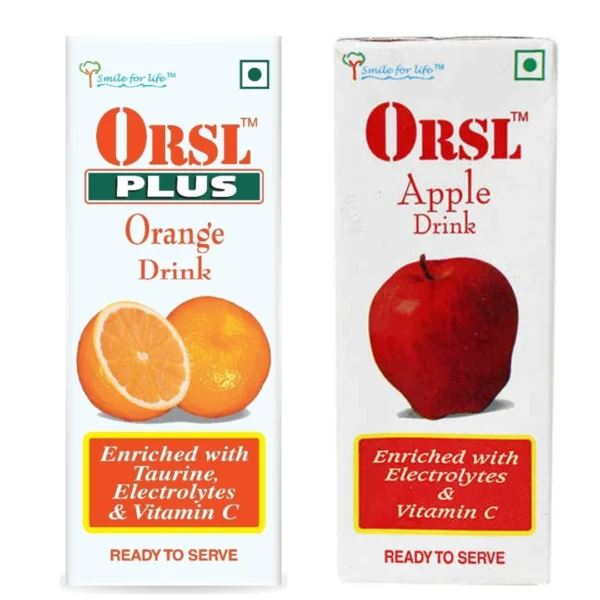
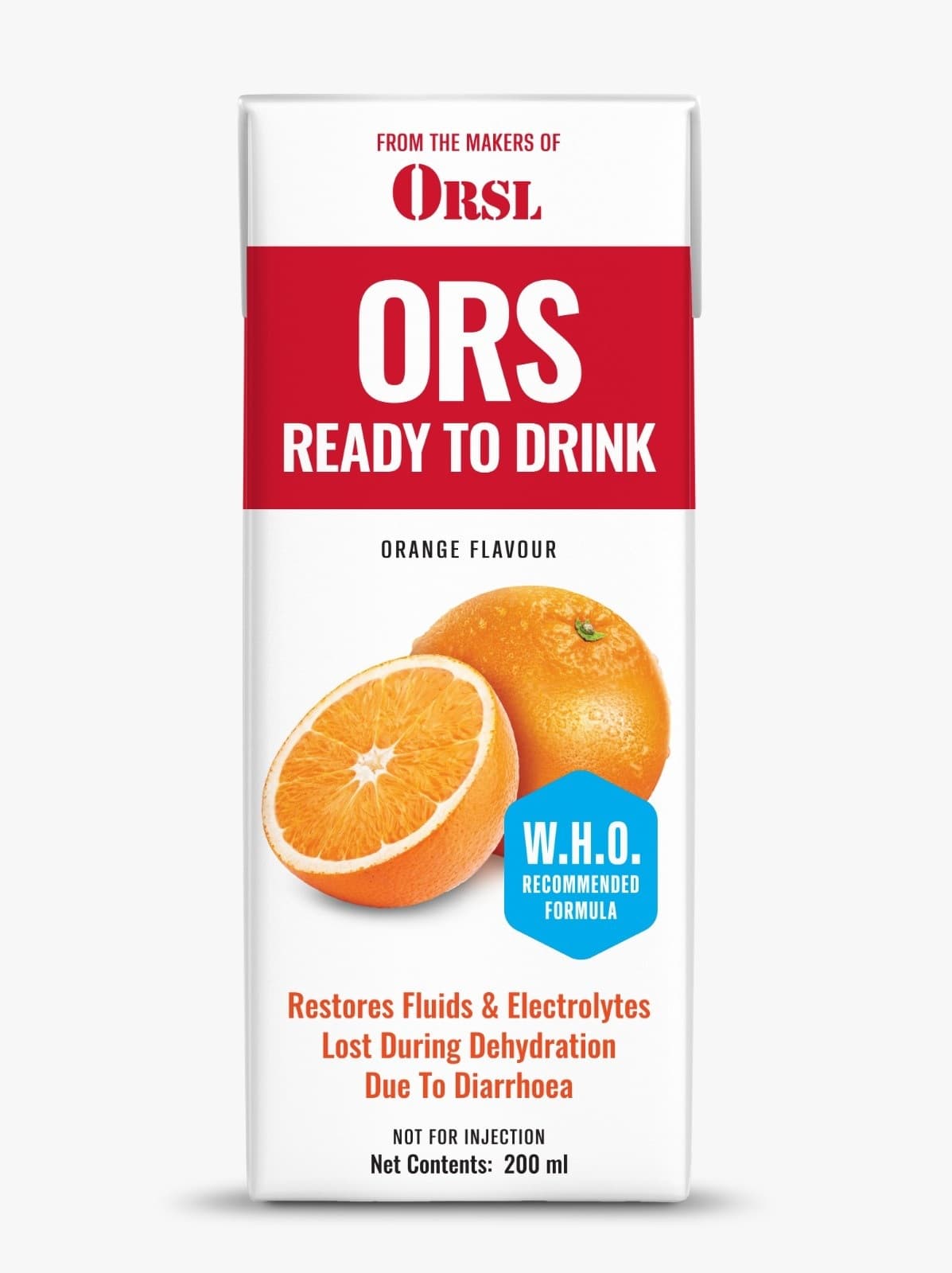
ORS is the single most important treatment — one sachet in exactly 200 ml of clean water, sipped throughout the day. Even if you can't eat, keep drinking ORS. Each loose stool roughly replaces with one glass. Probiotics like Saccharomyces boulardii (Econorm) or Lactobacillus combinations (Vibact, Sporolac) shorten the duration of acute diarrhoea by 1-2 days. Zinc supplements (Zincovit, Z&D Syrup) help recovery, particularly in children — 20 mg daily for 10-14 days. Loperamide (Imodium) is an anti-motility drug that reduces the number of loose motions — useful before a long journey when you can't access a toilet, but it's NOT the right approach for infectious diarrhoea where your body needs to clear the bug. Don't use loperamide if there's blood in the stool or fever. Antibiotics are only needed for confirmed bacterial diarrhoea (dysentery with blood/mucus, prolonged Giardia infection) and should be a doctor's call — taking antibiotics for viral diarrhoea makes things worse by killing gut bacteria.
Home remedies & lifestyle
Keep eating — small, frequent meals are better than fasting. The classic BRAT diet (bananas, rice, applesauce, toast) is easy on the gut and provides starch + potassium. Curd (dahi) with cooked rice introduces good bacteria. Coconut water replaces electrolytes naturally. Avoid: milk and dairy except curd (transient lactose intolerance is common during diarrhoea), spicy and fried food, fruit juices (worsen diarrhoea), raw vegetables and salads, alcohol and caffeine. Wash hands frequently — diarrhoea is highly contagious. Boil water, eat freshly cooked food, avoid roadside ice and juices during outbreaks.