
Medically reviewed by Dr. Balaji Krishnan, MBBS · Updated September 2026
How to choose
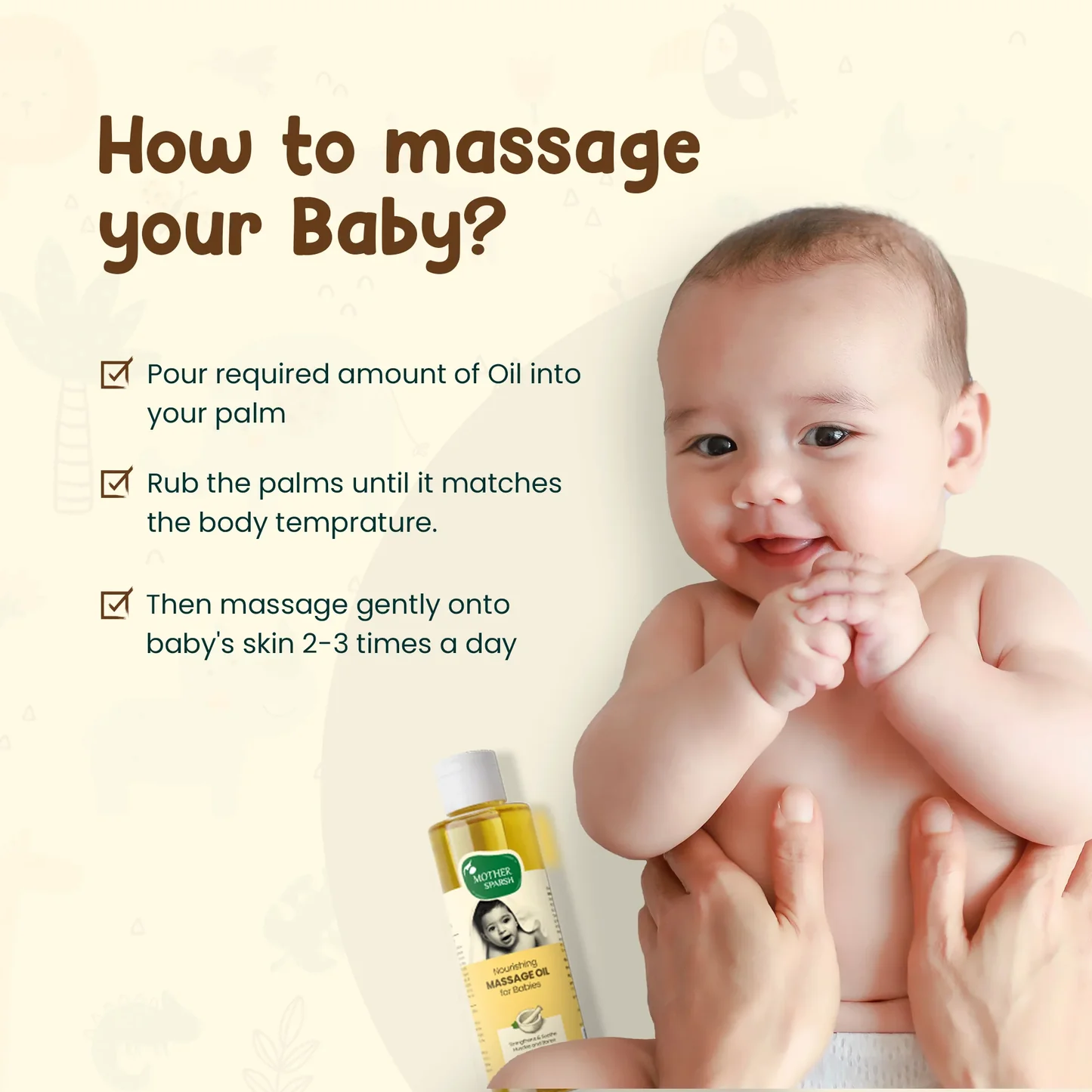
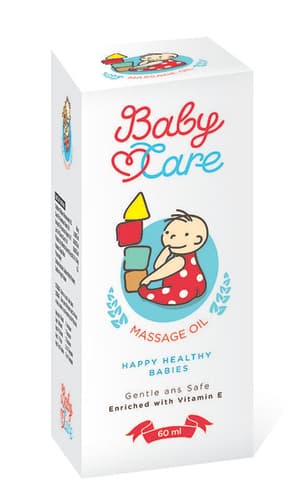
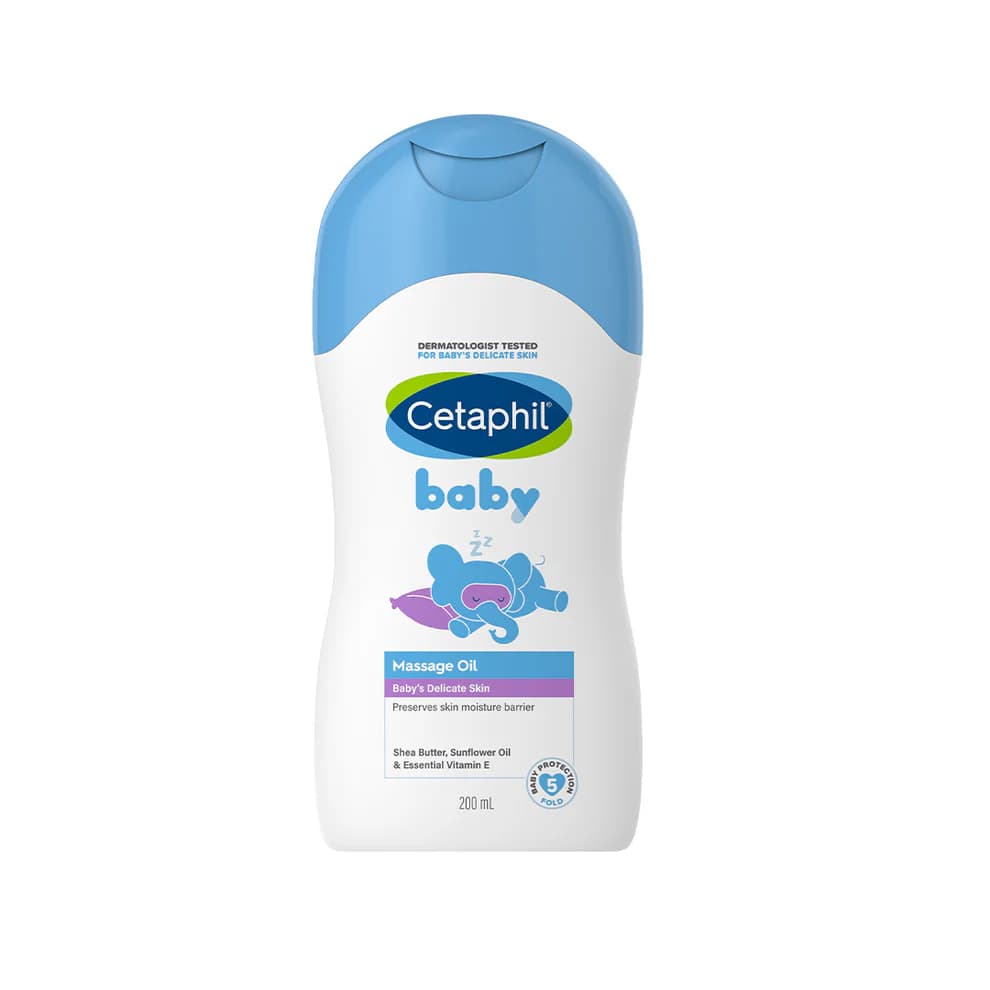
Skin safety is the whole game. Coconut-oil-based and purpose-made baby oils have the best safety record on infant skin — virgin coconut oil is the traditional pick paediatric studies support, and commercial baby oils refine out irritants and standardise quality. Mineral-oil-based products (classic Johnson's Baby Oil) are inert and non-allergenic — dermatologically boring in the best way. What to avoid is clearer than what to pick: mustard oil (traditional but shown to disrupt the infant skin barrier), undiluted essential oils and strongly fragranced blends, and olive oil on eczema-prone skin (its oleic acid worsens barrier function). For dry or eczema-prone babies, a bland oil (coconut, mineral) or the baby-brand blends beats 'nourishing' herbal mixes. Patch-test anything new on the inner forearm for a day. And remember the technique rules: gentle pressure, avoid the umbilical stump until healed, skip broken or rashy skin, and never massage near the face where oil can reach airways.
Who really needs this
Every family that enjoys the massage ritual — which is reason enough; the bonding and calming effects are real regardless of oil brand. Preterm and low-birth-weight babies may gain modest weight benefits from gentle oil massage (coconut oil has the study base) — under paediatric guidance in that setting. Skip or pause massage oil on: active eczema flares, broken or infected skin, and immediately after vaccination on the injection limb. If the family tradition is mustard oil, redirecting to coconut respects the ritual while protecting the skin barrier.



![Baby Wet Wipes With Lid [cozy]](/_next/image?url=https%3A%2F%2Fmpvappfddarnayczatim.supabase.co%2Fstorage%2Fv1%2Fobject%2Fpublic%2Fproduct-images%2Fpharmacy%2Fbaby-wet-wipes-with-lid-cozy-rm6408b9ae.webp&w=3840&q=75)