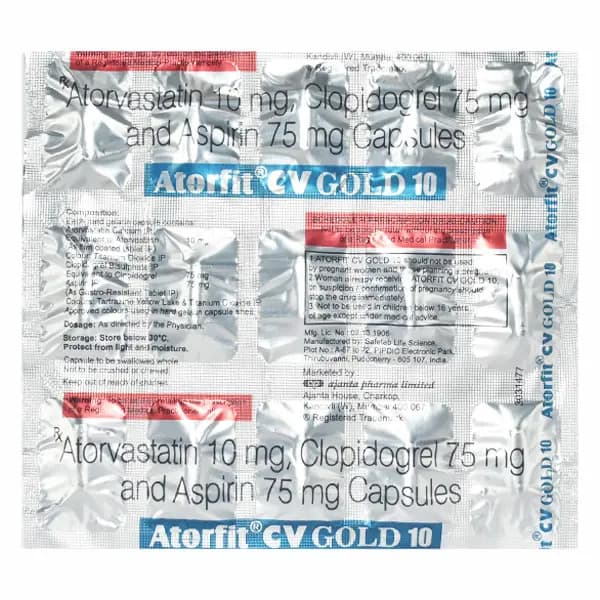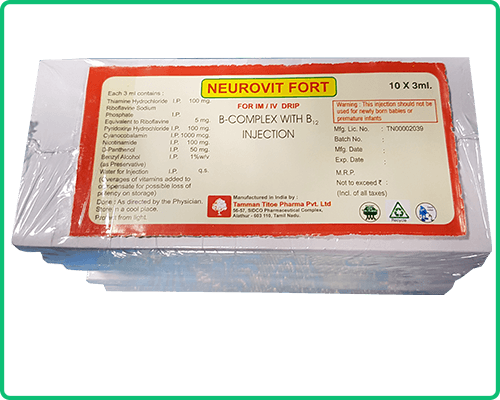
Neurovit Fort Injection
Tamman Titoe Pharma Pvt Ltd - injection - 3 ml
Standard delivery
₹30
Drug | Injection
Tramadol Hydrochloride 50 mg/mL (commonly 2 mL ampoule = 100 mg)
Management of moderate to severe acute pain (e.g., post-operative pain, trauma pain) when parenteral opioid analgesia is required
Tramadol is a centrally acting opioid analgesic. It binds to mu-opioid receptors and also inhibits reuptake of serotonin and noradrenaline in the CNS, which enhances descending inhibitory pain pathways and reduces pain perception.
Injection for IV/IM use only, to be administered by a healthcare professional. Dose and frequency as prescribed; commonly given slowly IV or deep IM; can be given with or without food (not applicable). Monitor for sedation and breathing after administration.
Common side effects of Tamadol Injection may include:
Tamman Titoe Pharma Pvt Ltd - injection - 3 ml
Standard delivery
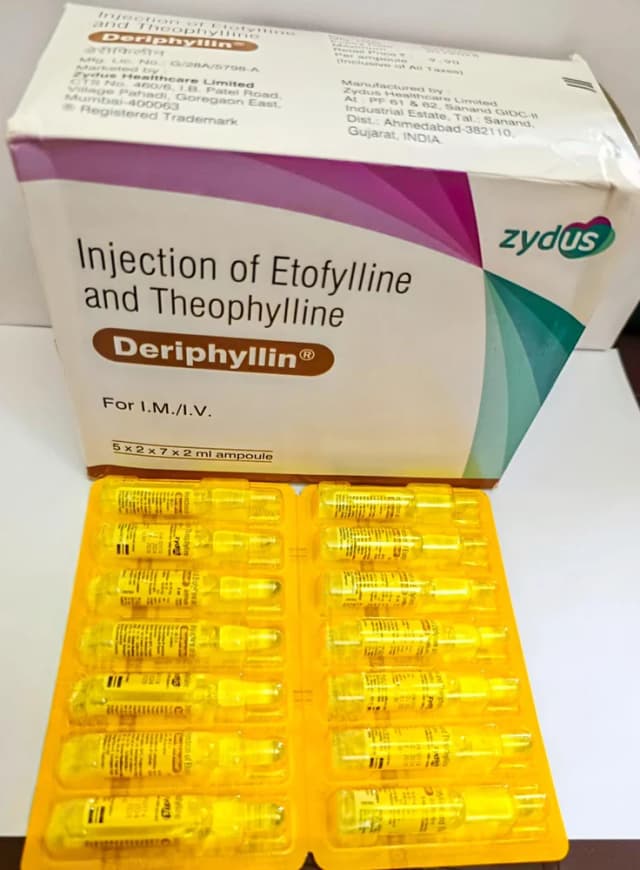
Tamman Titoe Pharma Pvt Ltd - injection - 2 ml
Standard delivery
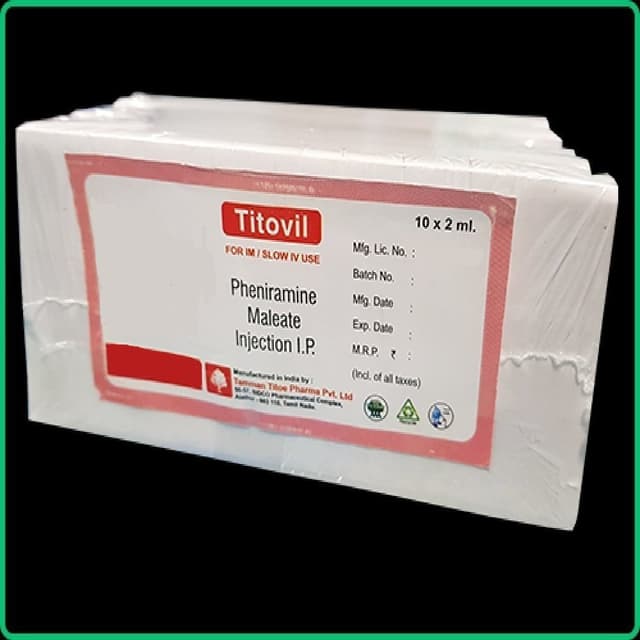
Tamman Titoe Pharma Pvt Ltd - injection - 2 ml
Standard delivery
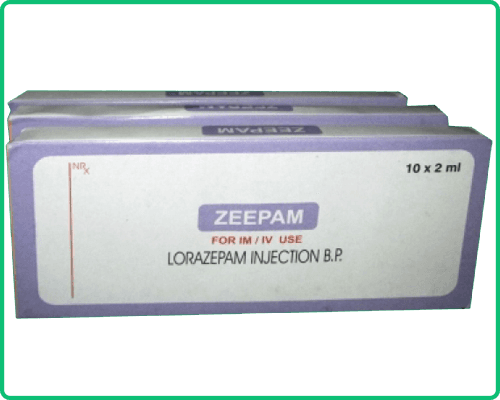
Tamman Titoe Pharma Pvt Ltd - injection - 2 ml
Standard delivery
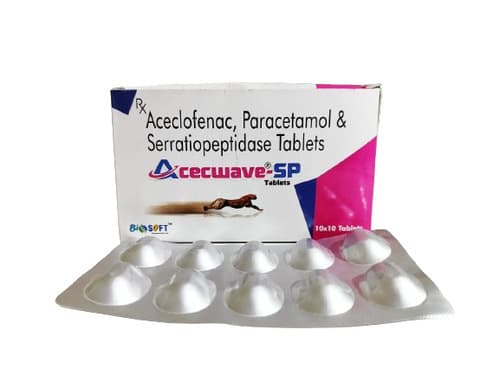
CRESHA LIFESCIENCES - tablet - 10 S
Standard delivery

MIRTH PHARMACEUTICALS - 60 ml
Standard delivery

Amrutanjan Health Care Ltd - cream - 8 ml
Standard delivery
May cause respiratory depression, sedation, and impaired alertness—avoid driving/operating machinery. Risk of dependence, abuse and withdrawal; use lowest effective dose for shortest duration. Can precipitate seizures, especially in patients with seizure disorders or with interacting medicines. Risk of serotonin syndrome with serotonergic drugs. Use with caution in elderly, head injury, respiratory disease (asthma/COPD), hepatic or renal impairment. Avoid in severe respiratory depression and acute intoxication with alcohol/sedatives. Do not use in children unless specifically prescribed; avoid post-tonsillectomy/adenoidectomy opioid use. Naloxone and resuscitation facilities should be available when used parenterally.