
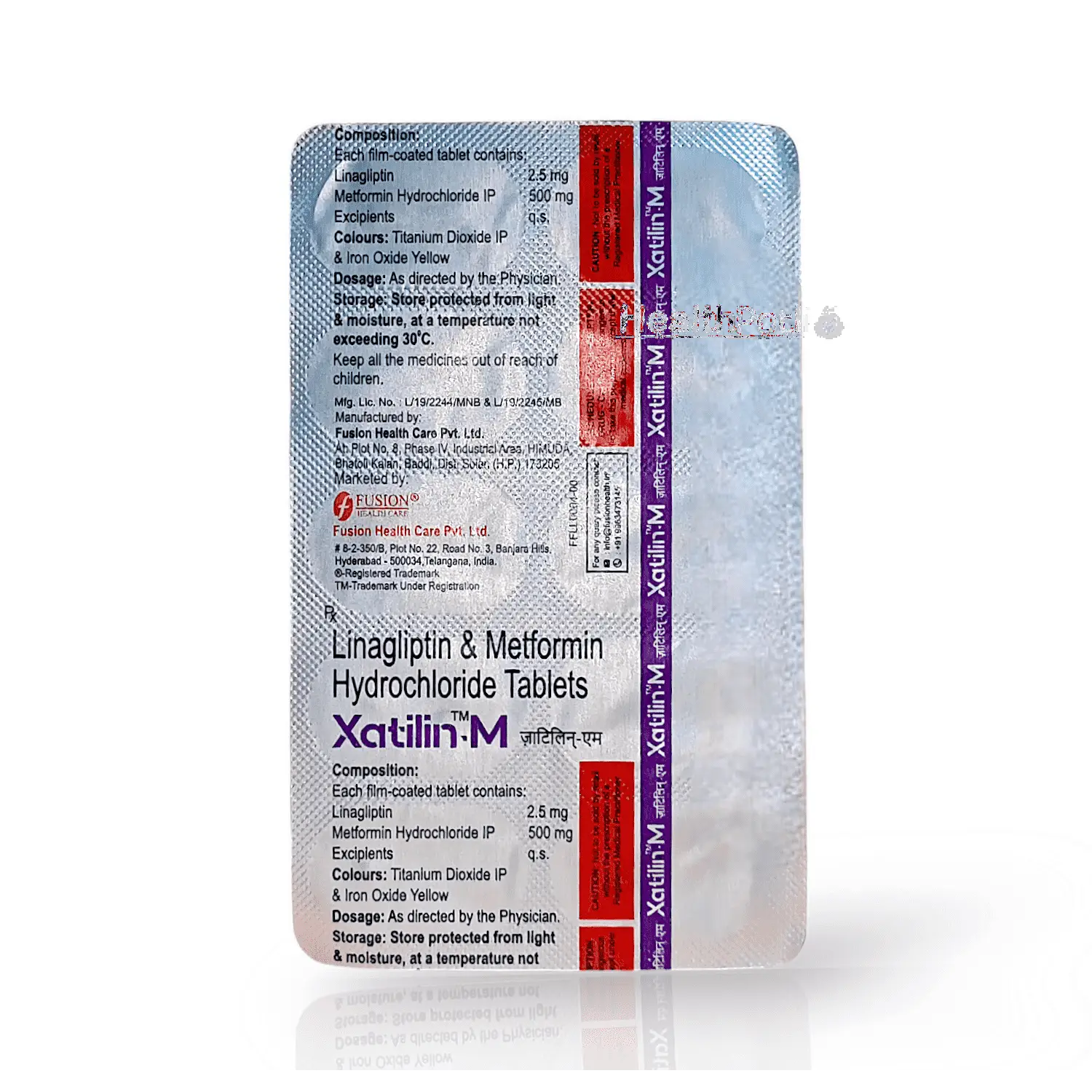
Xatilin M 5/500 mg Tablet
tablet - 10 S
FUSION HEALTH CARE
₹127
Prescription required
Check delivery at checkout
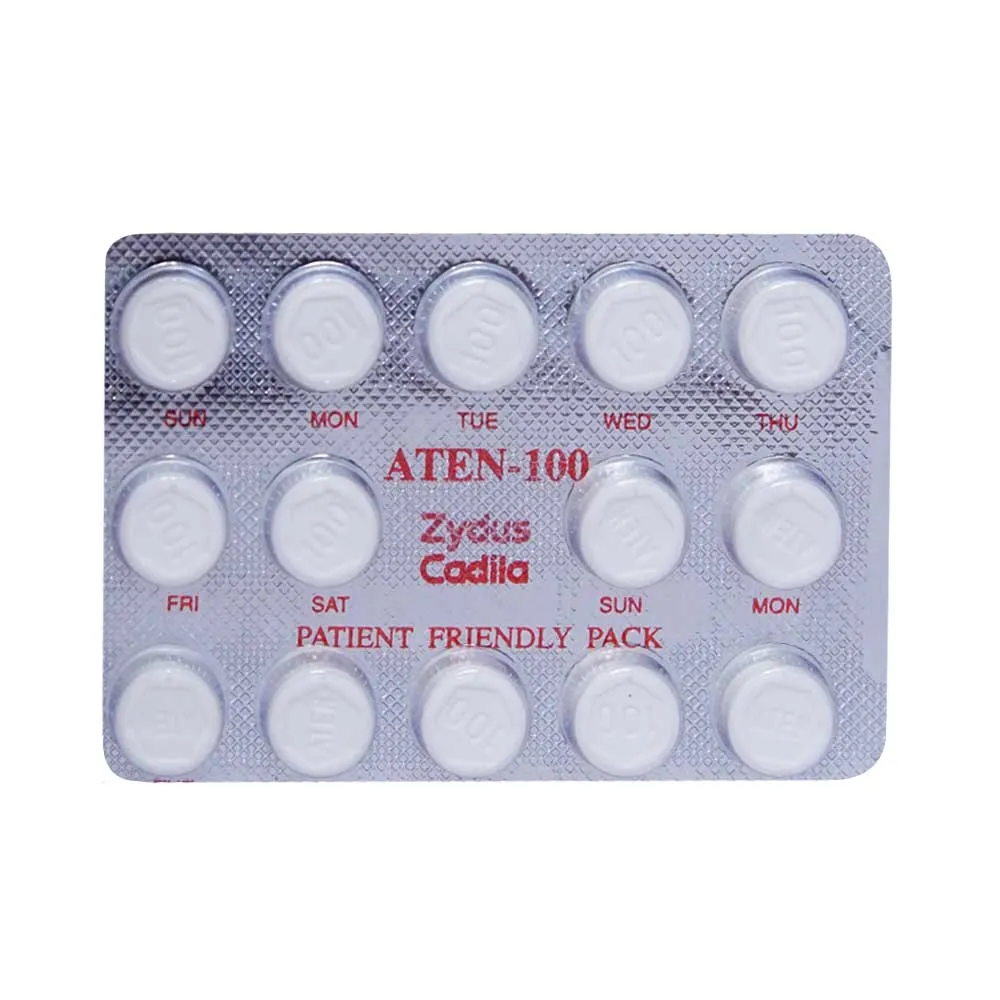
14`S
Inclusive of all taxes
Prescription required — upload during checkout when prompted.
Atenolol (100mg)
Aten 100 contains Atenolol (100mg). Prescription required.
Before you take it
Use with caution / Consult doctor (may affect fetal growth; use only if clearly needed).
Breast feeding UNSAFE
Use with caution (may increase dizziness and blood pressure lowering).
Driving UNSAFE
Kidney CAUTION
Liver SAFE IF PRESCRIBED
Monograph
Aten 100 contains Atenolol (100mg). Prescription required.
Treatment of hypertension (high blood pressure); prevention/management of angina (chest pain) due to coronary artery disease; rate control in certain tachyarrhythmias (as prescribed).
Atenolol is a cardioselective beta-1 blocker. It reduces heart rate and the force of contraction, lowering cardiac output and blood pressure, and decreases the heart’s oxygen demand to relieve angina.
Tablet for oral use. Take exactly as prescribed, usually once daily, with or without food, at the same time each day. Do not stop abruptly; dose should be tapered under medical advice.
Bradycardia (slow pulse),fatigue,dizziness,cold hands/feet,low blood pressure,nausea,headache,sleep disturbances
Do not stop suddenly (risk of rebound angina/MI). Use with caution in asthma/COPD (may cause bronchospasm), diabetes (may mask hypoglycaemia symptoms), peripheral vascular disease, psoriasis, myasthenia gravis, and in the elderly. Contraindicated/avoid in severe bradycardia, second/third-degree heart block, cardiogenic shock, uncontrolled heart failure unless stabilized. Monitor blood pressure and pulse; caution while driving if dizzy.
Verapamil,diltiazem,amiodarone,digoxin,clonidine (withdrawal issues),other antihypertensives/diuretics (additive hypotension),NSAIDs (may reduce BP-lowering effect),insulin/oral antidiabetics (masked hypoglycaemia),beta-agonist bronchodilators (reduced effect),MAO inhibitors (non-selective),anaesthetic agents
Store below 25°C in a cool, dry place. Protect from moisture and direct light. Keep out of reach of children.
Aten 100 Tablet (Zydus),Atenolol 100 mg Tablet (various brands),Tenormin 100 Tablet,Aten 50 Tablet (dose alternative),Betacard 100 Tablet
At a glance
Good to know

Brand
ZYDUS HEALTHCARE PHARMA
View all products from this brand
Manufacturer
ZYDUS HEALTHCARE PHARMA
Medical disclaimer: product information is for awareness only and does not replace medical advice. For Rx medicines, a valid prescription is required. Consult your doctor or pharmacist for personalised guidance. Sources: Manufacturer labeling, Indian Pharmacopoeia, CDSCO drug information, established medical literature (beta-blockers/atenolol monographs)
Other products patients also browse for similar needs.
tablet - 10 S
FUSION HEALTH CARE
Prescription required
Check delivery at checkout
tablet - 15 S
VERSE LIFESCIENCES
Prescription required
Check delivery at checkout
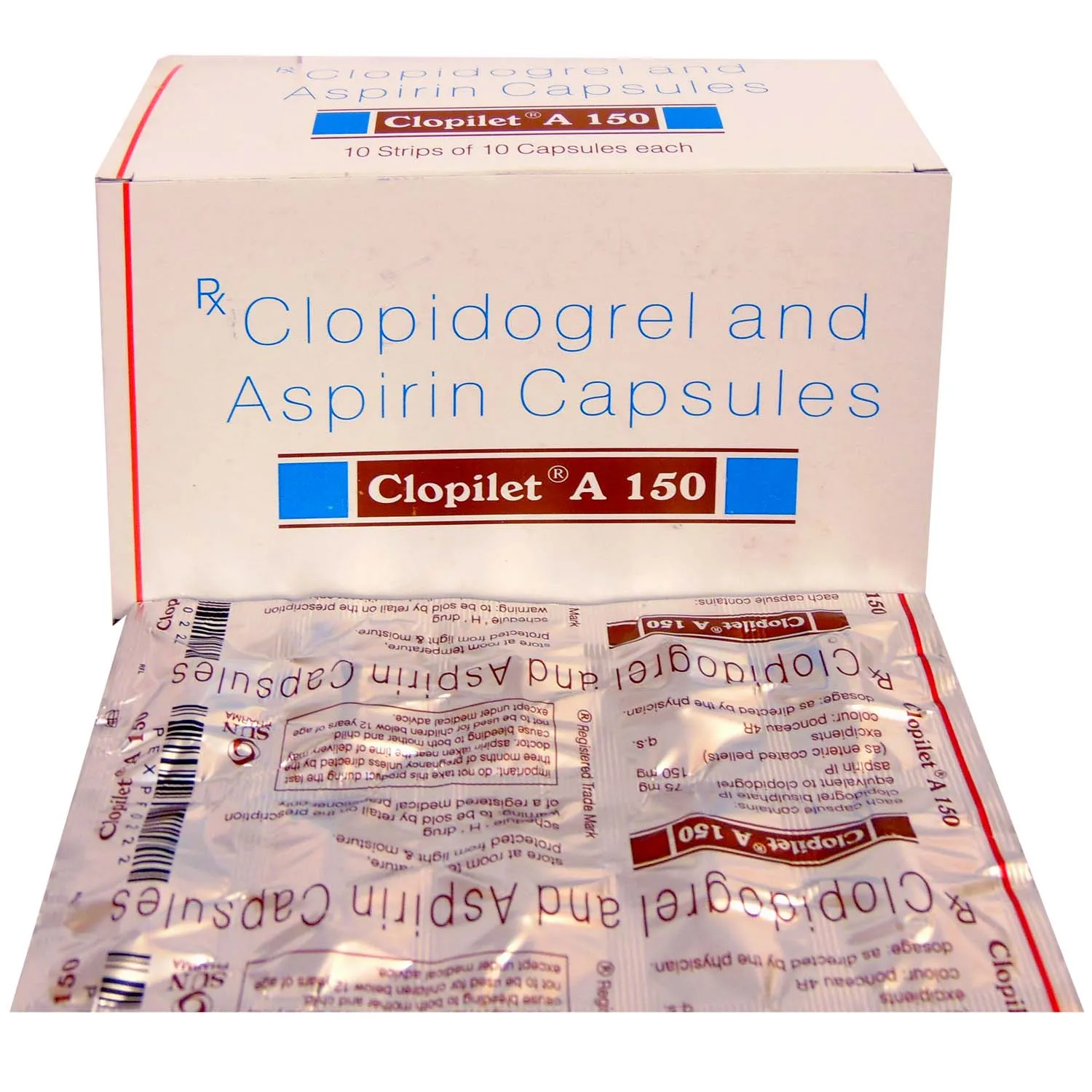
capsule - 15 Capsules

SUN PHARMA
Prescription required
Check delivery at checkout
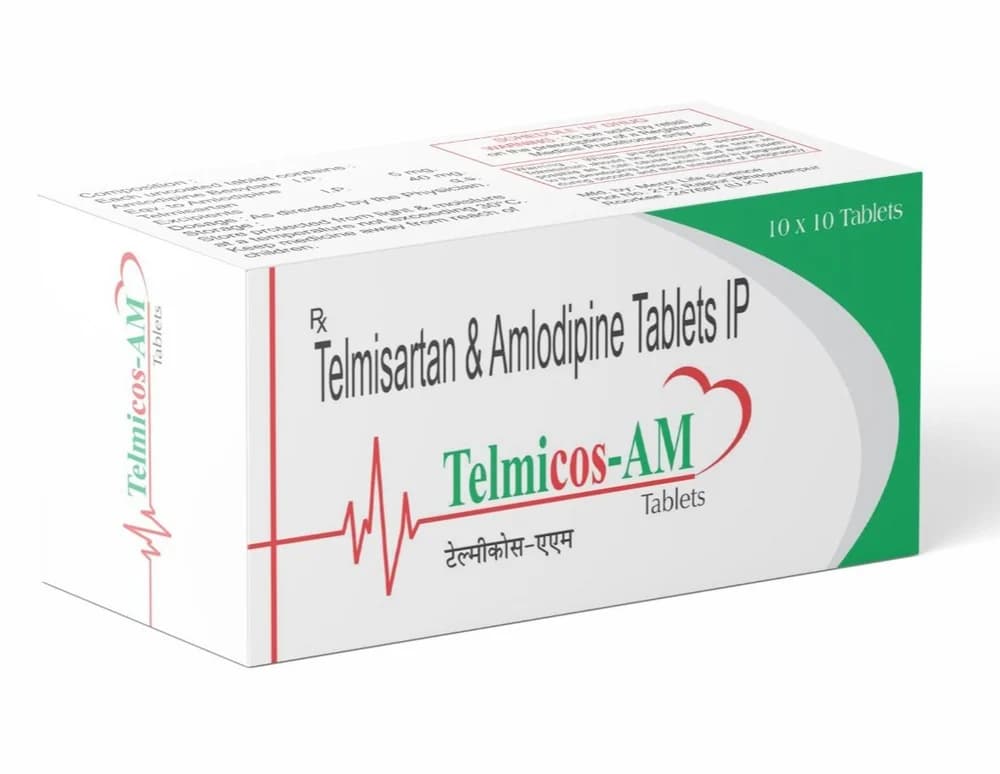
tablet - 10 S
DRS CHOICE PHARMACEUTICALS
Prescription required
Check delivery at checkout
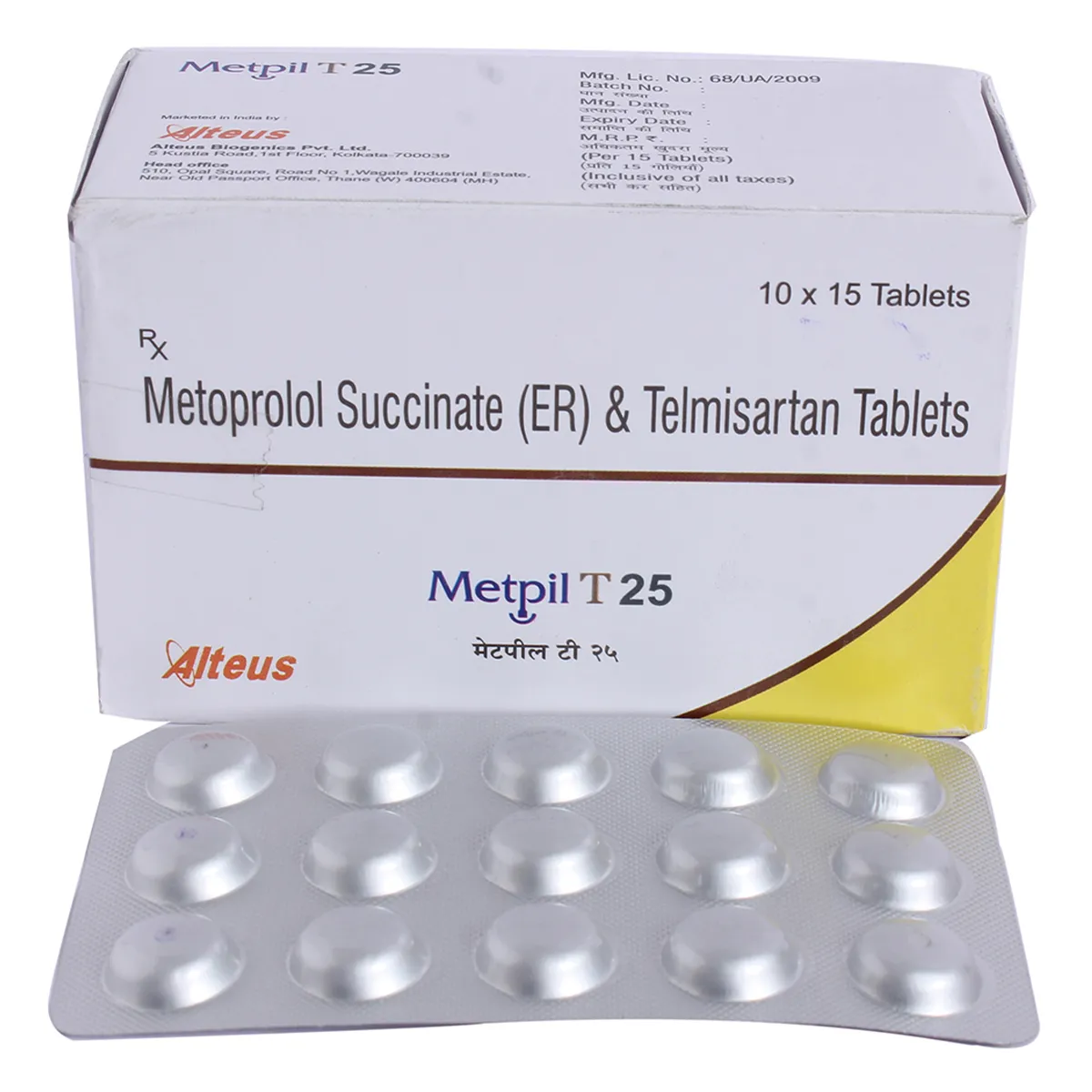
tablet - 10 S
MYK PHARMACEUTICALS
Prescription required
Check delivery at checkout
Same brand, other products you might also want.
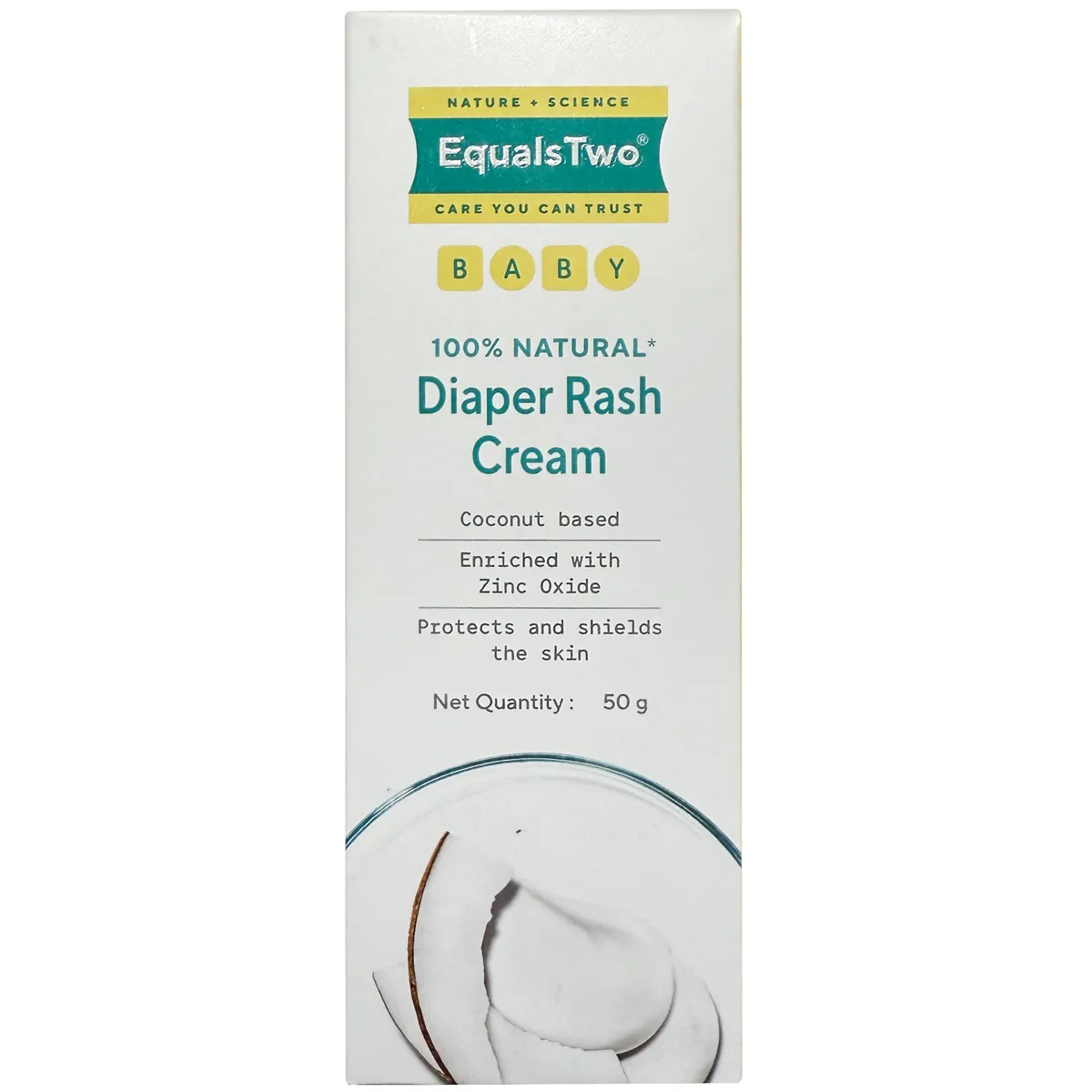
15 ml
ZYDUS HEALTHCARE PHARMA
Prescription required
Check delivery at checkout
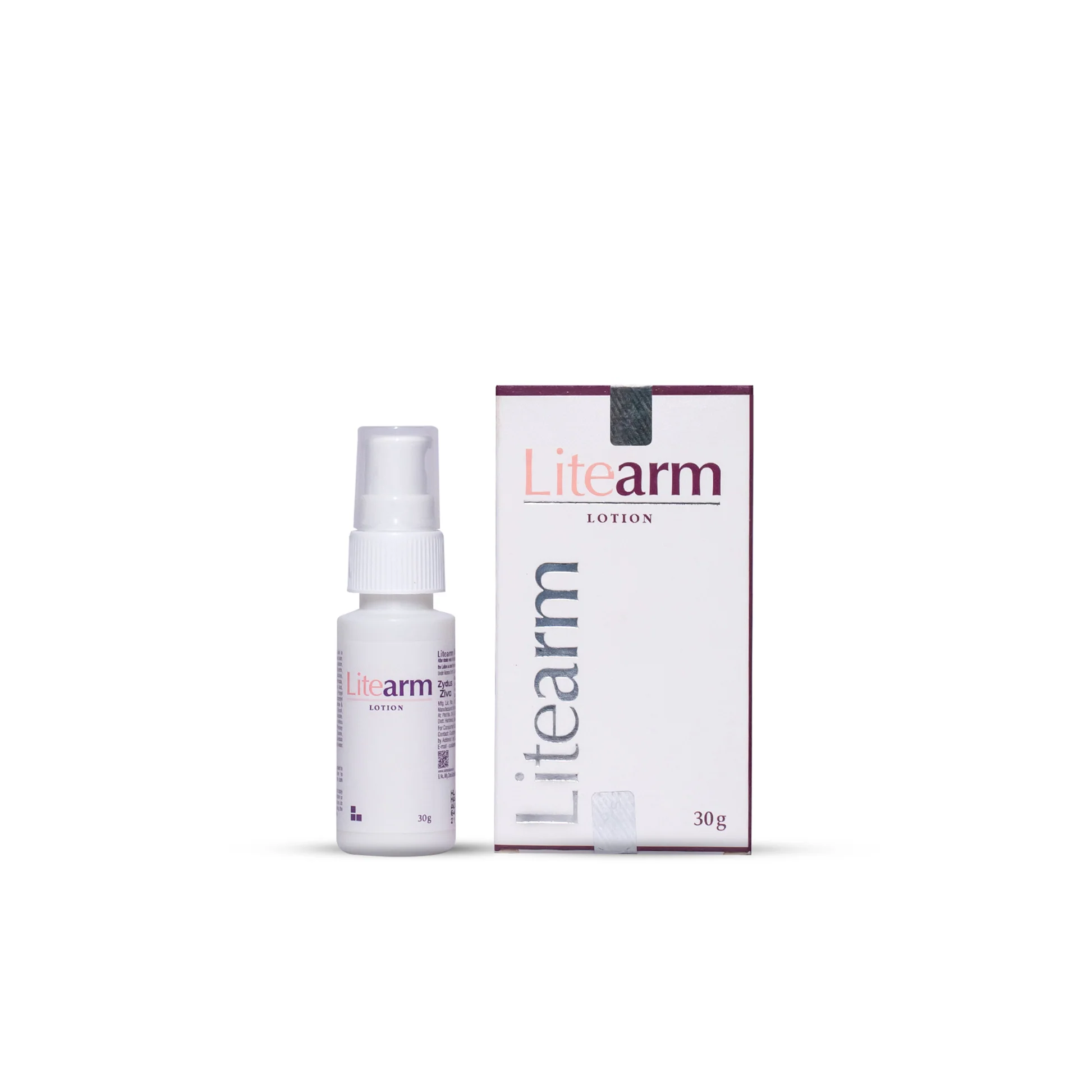
lotion - 30 ml
ZYDUS HEALTHCARE PHARMA
Prescription required
Check delivery at checkout
tablet - 20 mg - 10 S
ZYDUS HEALTHCARE PHARMA
Prescription required
Check delivery at checkout
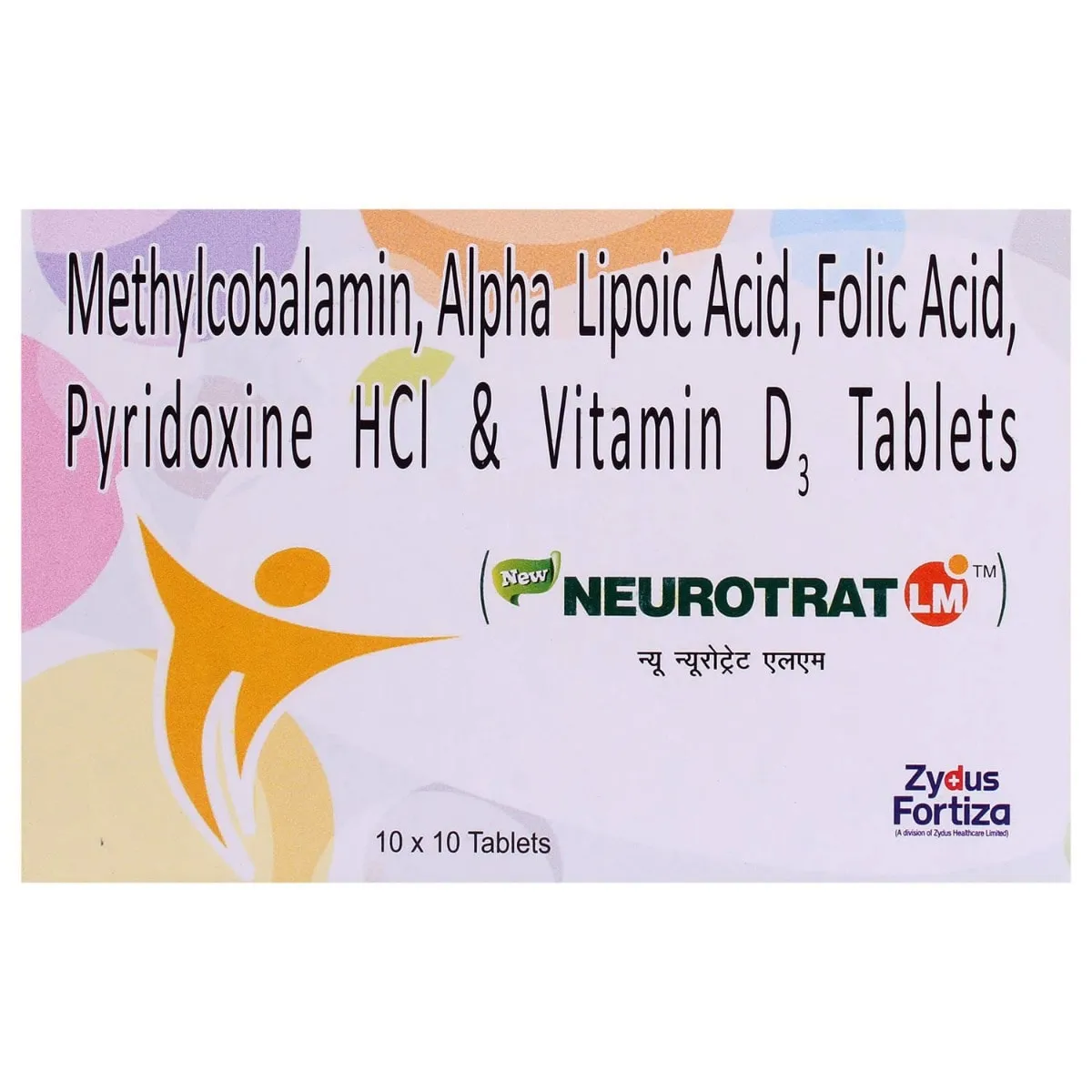
tablet - 10 S
ZYDUS HEALTHCARE PHARMA
Prescription required
Check delivery at checkout