
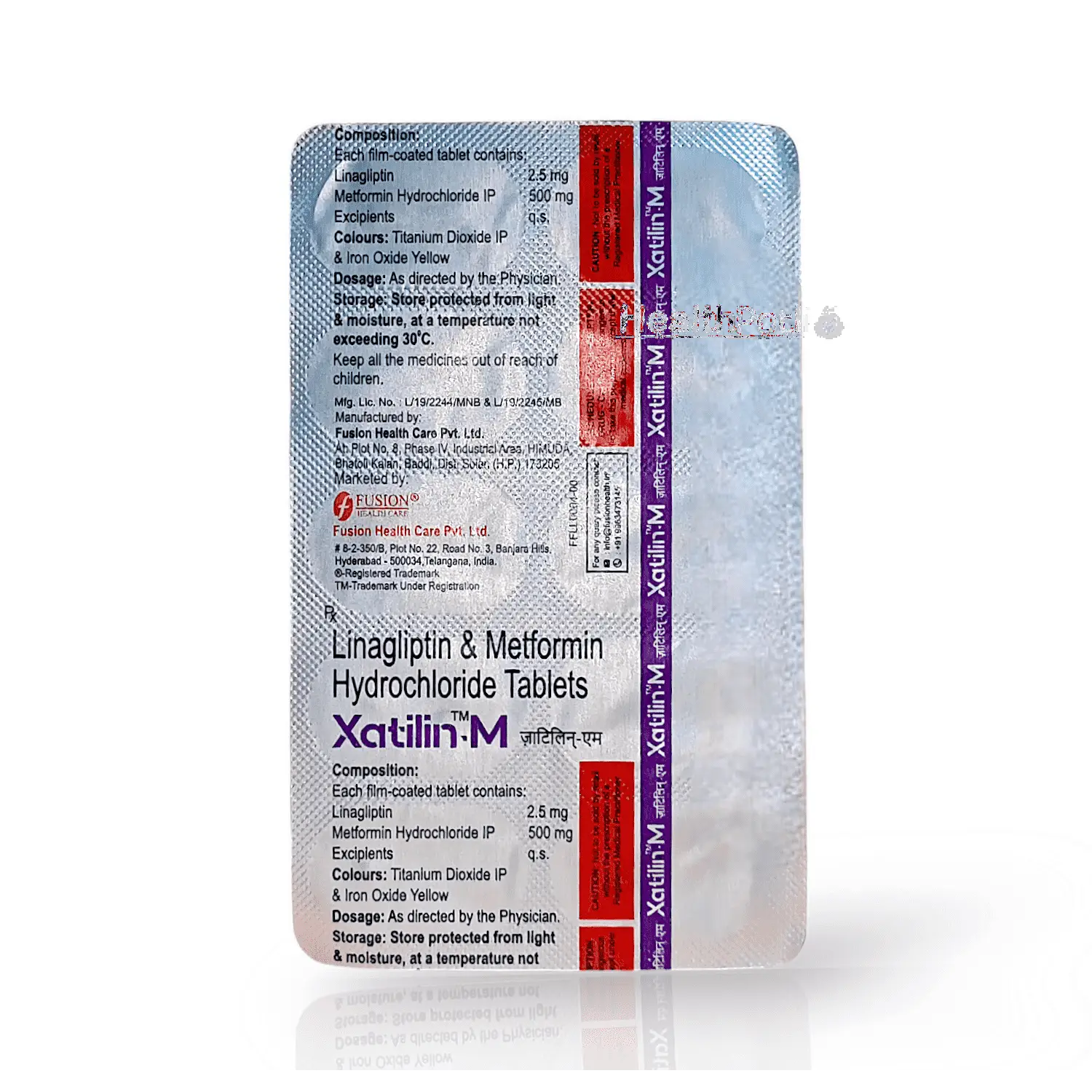
Xatilin M 5/500 mg Tablet
tablet - 10 S
FUSION HEALTH CARE
₹127
Prescription required
Check delivery at checkout
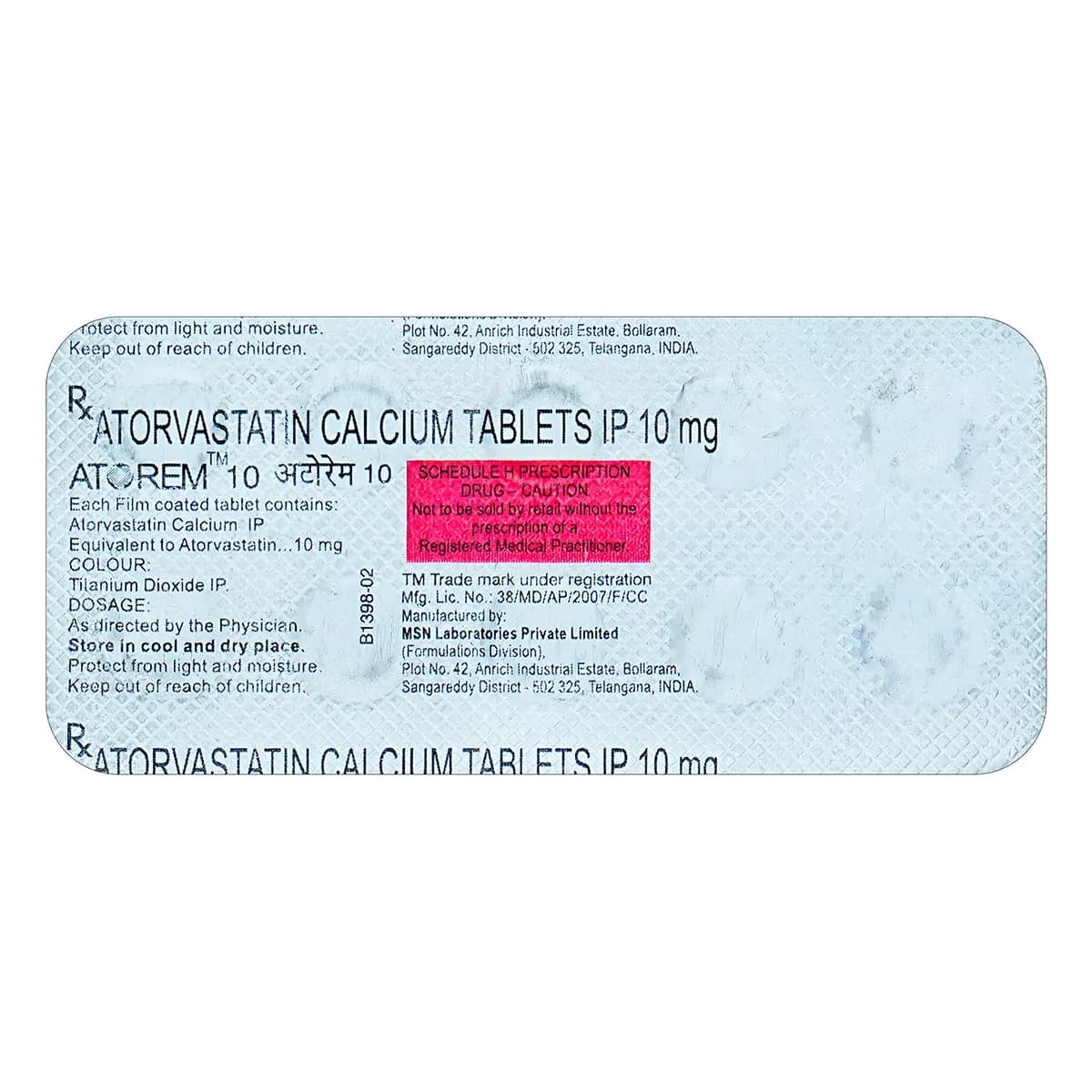
Tablet · 10`S
Inclusive of all taxes
Prescription required — upload during checkout when prompted.
Atorvastatin (40mg)
Atorem 10 Tablet contains Atorvastatin (40mg). Prescription required.
We'll let you know the moment Atorem 10 Tablet is back in stock.
Before you take it
Not recommended
Atorem 40 Tablet is unsafe to use during breastfeeding. Data suggests that the drug may cause toxicity to the baby.
Use with caution
Not expected to affect your ability to drive.
Atorem 40 Tablet is safe to use in patients with kidney disease. No dose adjustment of Atorem 40 Tablet is recommended.However, inform your doctor if you have any underlying kidney disease.
Atorem 40 Tablet should be used with caution in patients with liver disease. Dose adjustment of Atorem 40 Tablet may be needed. Please consult your doctor.Use of Atorem 40 Tablet is not recommended in patients with severe liver disease and active liver disease.
Monograph
Atorem 10 Tablet contains Atorvastatin (40mg). Prescription required.
Used to treat high cholesterol (hypercholesterolaemia) and mixed dyslipidaemia; lowers LDL and triglycerides and raises HDL; helps reduce risk of heart attack and stroke in people at risk of cardiovascular disease.
Atorvastatin is an HMG‑CoA reductase inhibitor (statin) that reduces cholesterol synthesis in the liver. This increases LDL receptor activity and enhances clearance of LDL cholesterol from the blood, lowering LDL and triglycerides and modestly increasing HDL.
Oral tablet. Take once daily at the same time each day, with or without food. Continue diet/exercise changes as advised; swallow whole with water. Dose and duration as prescribed; do not stop without medical advice.
Headache, stomach pain, constipation, diarrhoea, nausea, indigestion, muscle pain, weakness, elevated liver enzymes
Not recommended in pregnancy or breastfeeding. Use with caution in liver disease, heavy alcohol use, hypothyroidism, kidney impairment, and in older adults due to higher muscle side-effect risk. Seek medical help if unexplained muscle pain/tenderness, dark urine, severe fatigue, or jaundice occurs (risk of myopathy/rhabdomyolysis and liver injury). Periodic lipid profile and liver function monitoring may be advised.
Strong CYP3A4 inhibitors (clarithromycin, erythromycin, ketoconazole/itraconazole, ritonavir/cobicistat), grapefruit juice (large amounts), cyclosporine, gemfibrozil and other fibrates, niacin (high dose), colchicine, warfarin (monitor INR), diltiazem/verapamil, amiodarone
Store below 25°C in a cool, dry place away from moisture and direct light. Keep in original strip and out of reach of children.
Atorva 10 Tablet, Lipitor 10 Tablet, Atorlip 10 Tablet, Storvas 10 Tablet, Tonact 10 Tablet
At a glance
Good to know
Brand
MSN LABORATORIES
View all products from this brand
Manufacturer
MSN LABORATORIES
Medical disclaimer: product information is for awareness only and does not replace medical advice. For Rx medicines, a valid prescription is required. Consult your doctor or pharmacist for personalised guidance. Sources: Manufacturer labeling, CDSCO drug information, established medical literature (statin monographs), standard pharmacology references
Other products patients also browse for similar needs.
tablet - 10 S
FUSION HEALTH CARE
Prescription required
Check delivery at checkout
tablet - 15 S
VERSE LIFESCIENCES
Prescription required
Check delivery at checkout
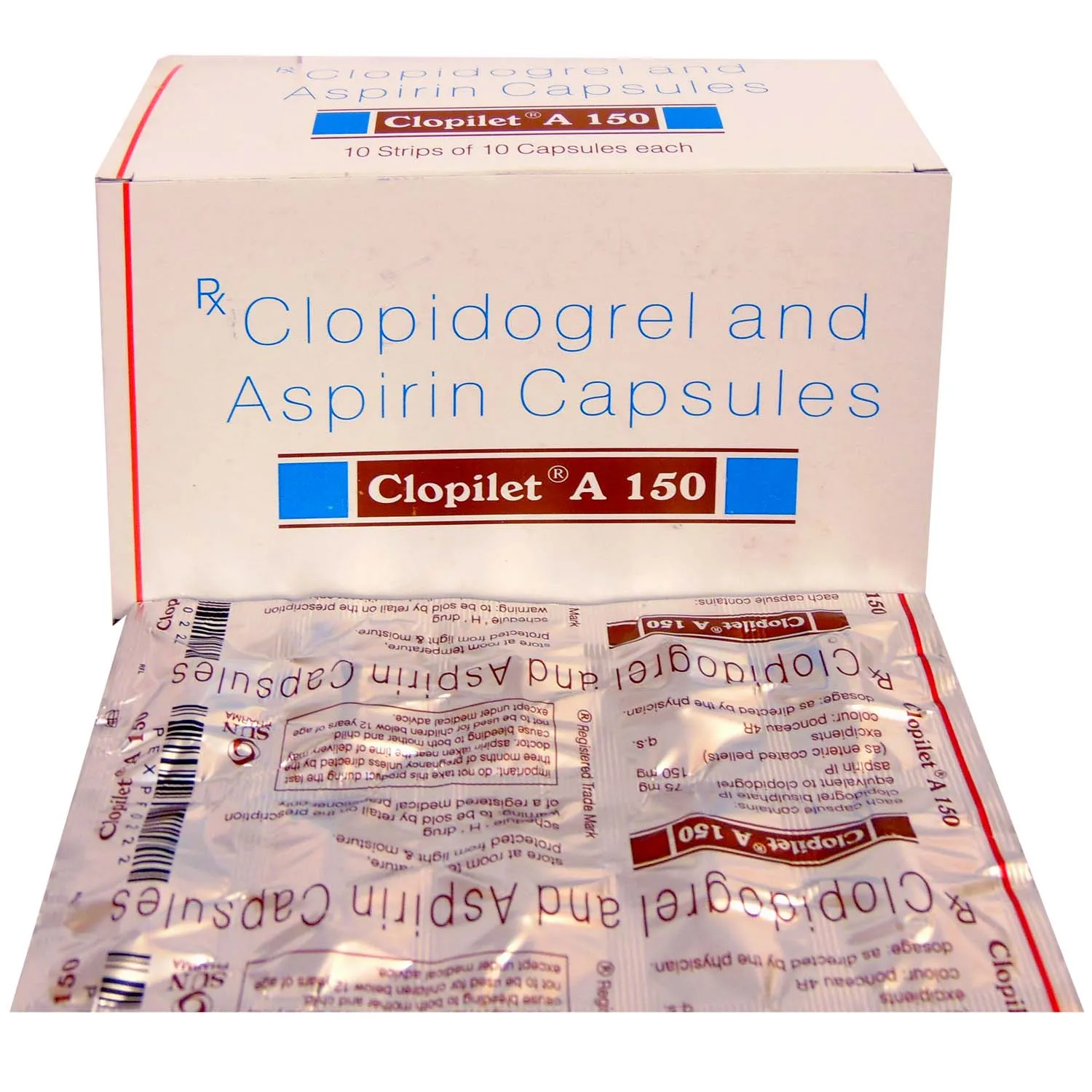
capsule - 15 Capsules

SUN PHARMA
Prescription required
Check delivery at checkout
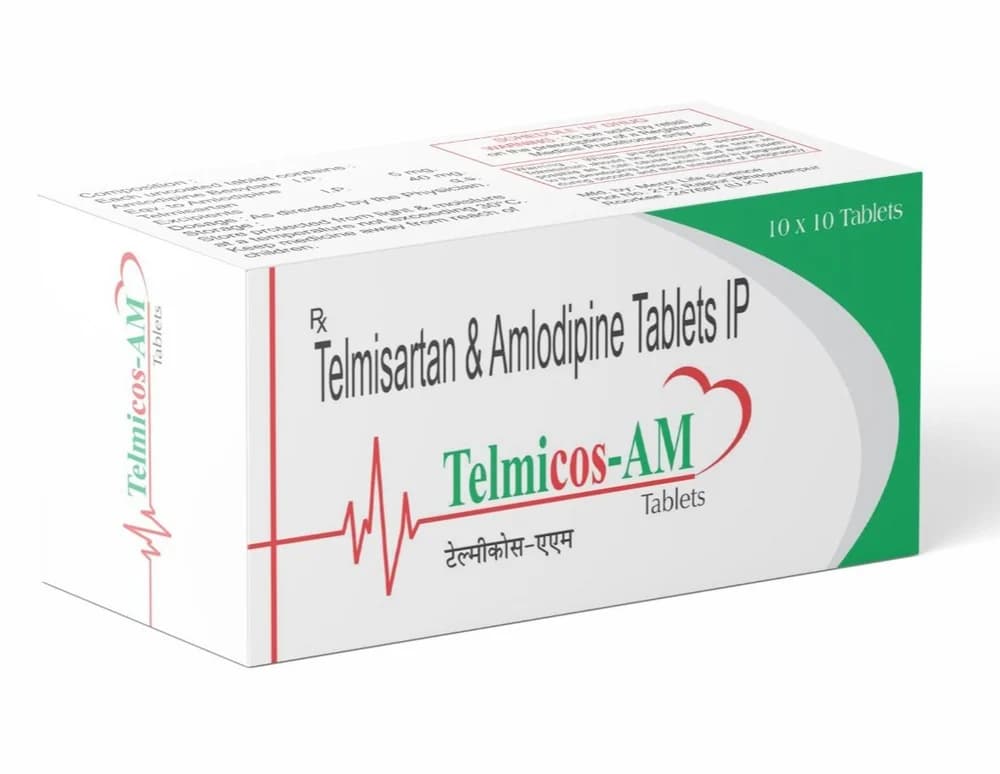
tablet - 10 S
DRS CHOICE PHARMACEUTICALS
Prescription required
Check delivery at checkout
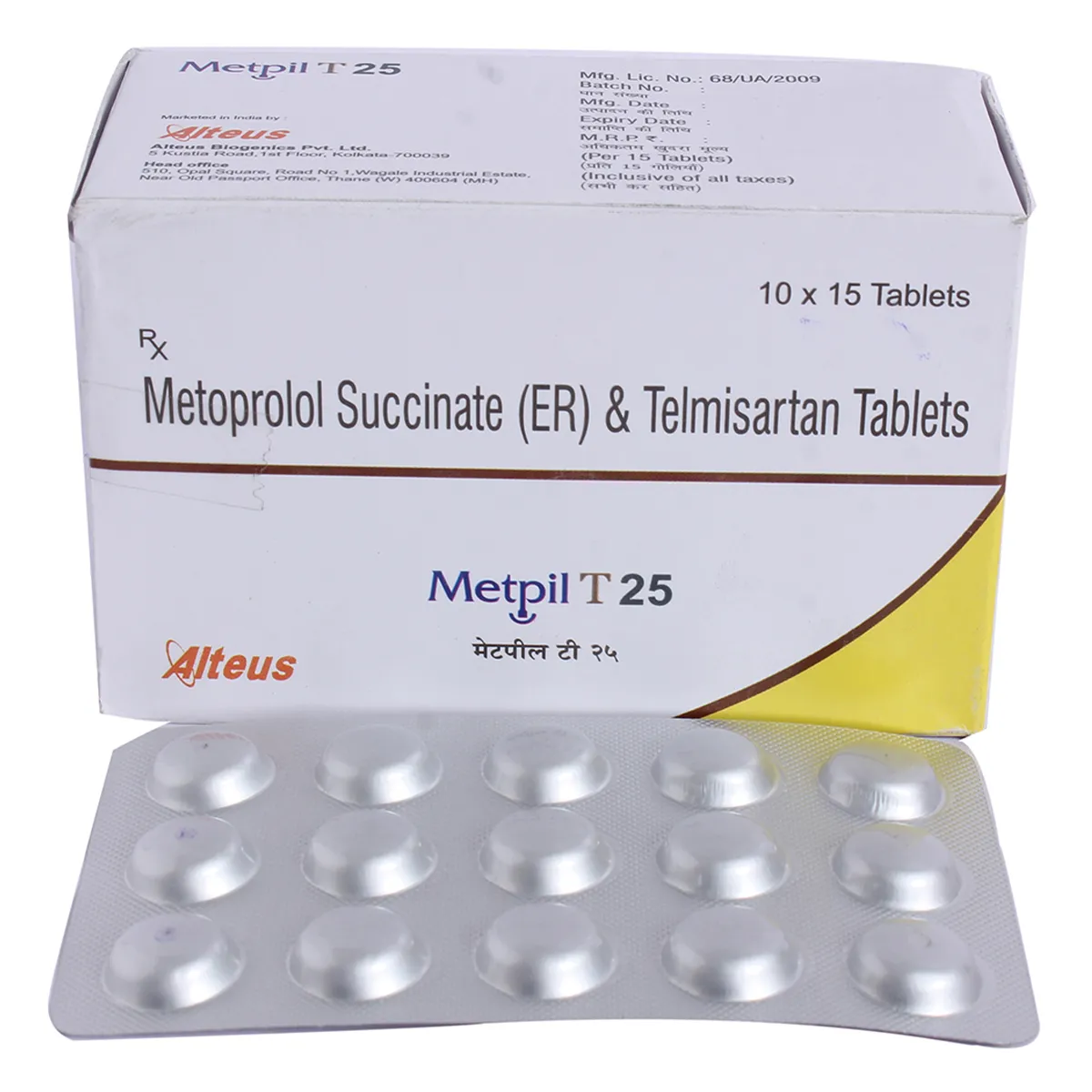
tablet - 10 S
MYK PHARMACEUTICALS
Prescription required
Check delivery at checkout
Same brand, other products you might also want.
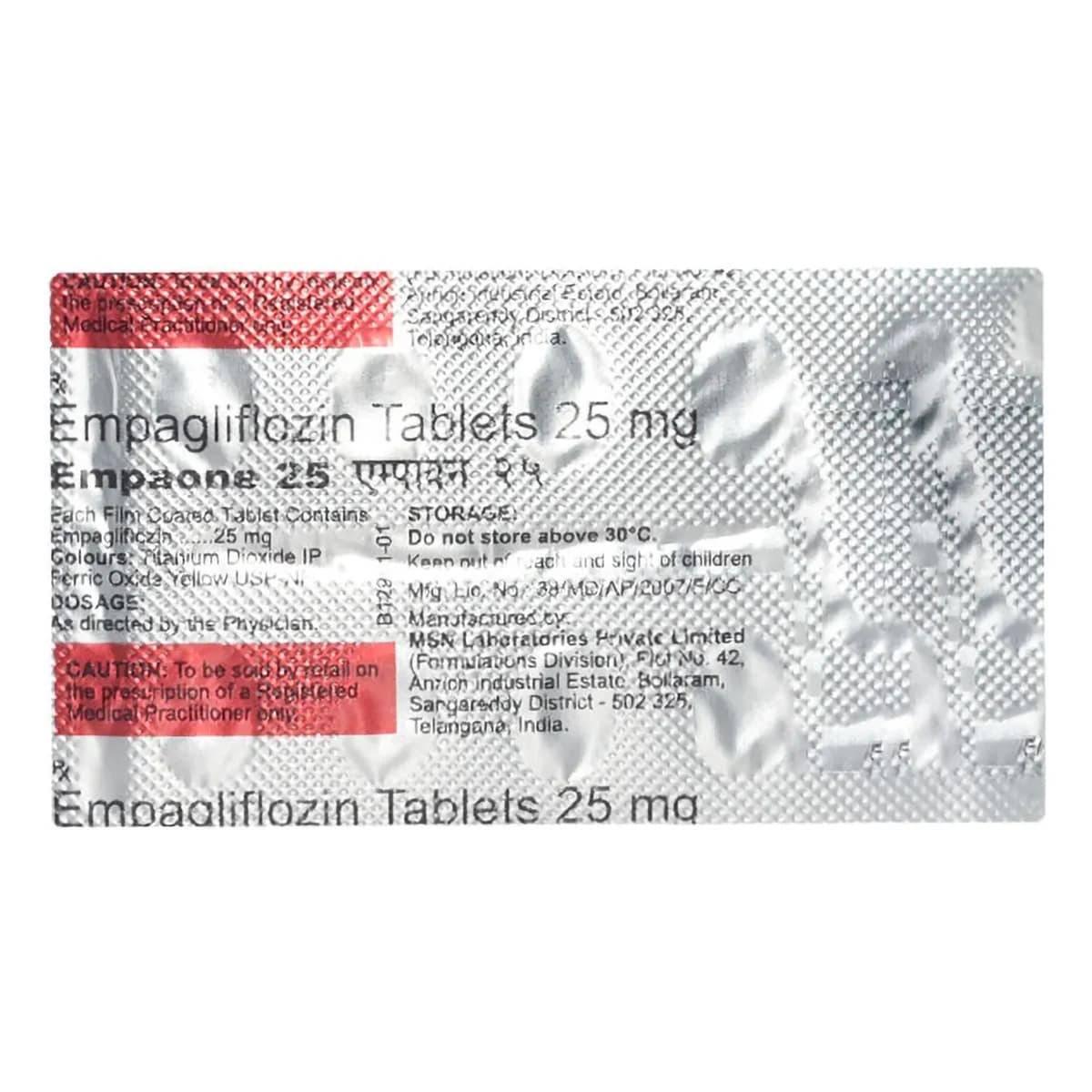
tablet - 10 S
MSN LABORATORIES
Prescription required
Check delivery at checkout


tablet - 40 mg - 10 S
MSN LABORATORIES
Prescription required
Check delivery at checkout
