Form, strength & pack
Tablet · 15 Tablet
Inclusive of all taxes
Prescription required — upload during checkout when prompted.
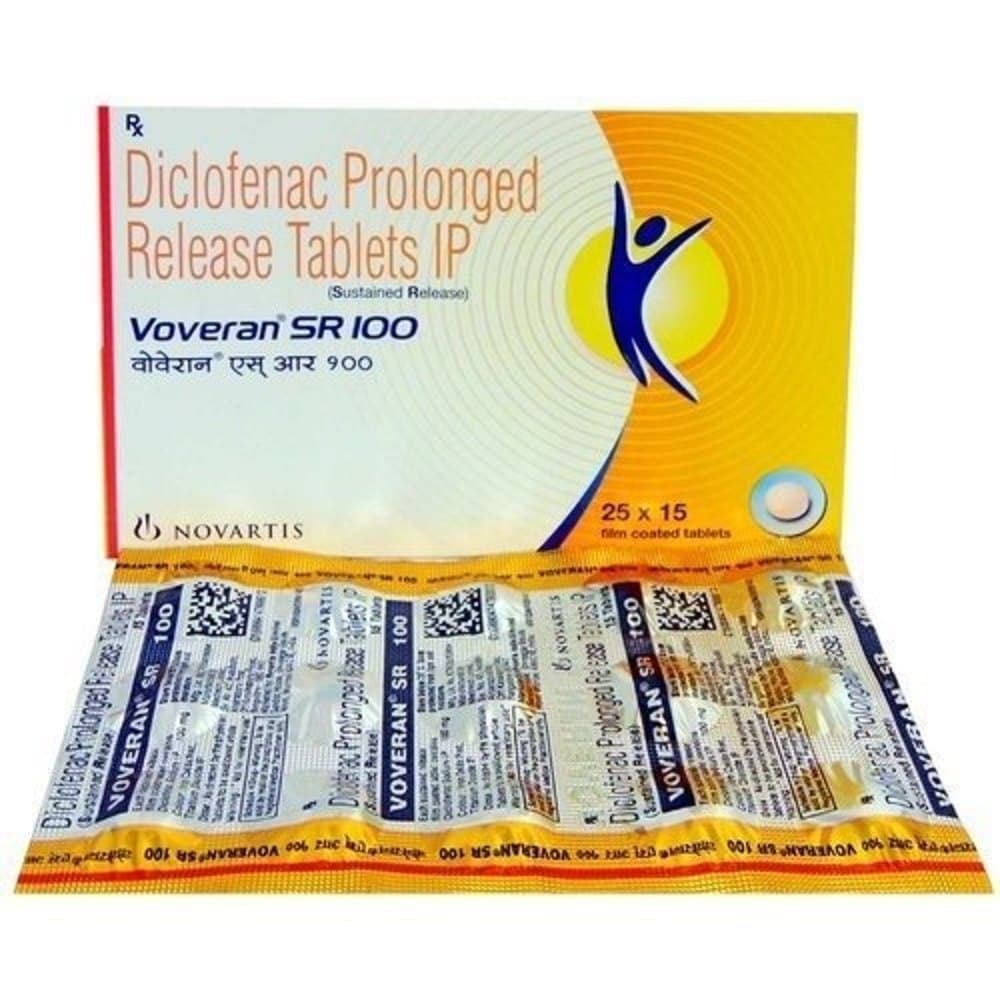
Diclofenac sodium 100 mg (Sustained Release)
Voveran SR 100 Tablet contains Diclofenac sodium 100 mg (Sustained Release). Prescription required.
Before you take it
Not recommended (especially in 3rd trimester); consult doctor
Avoid
Monograph
Voveran SR 100 Tablet contains Diclofenac sodium 100 mg (Sustained Release). Prescription required.
Relief of pain and inflammation in conditions such as osteoarthritis, rheumatoid arthritis, ankylosing spondylitis, acute musculoskeletal pain, back pain, dental pain, and dysmenorrhea (period pain).
Diclofenac is a non-steroidal anti-inflammatory drug (NSAID) that inhibits cyclo-oxygenase (COX-1 and COX-2) enzymes, reducing prostaglandin formation. This lowers pain, swelling, and inflammation. The sustained-release form provides prolonged effect with once-daily dosing in many patients.
Tablet (SR) to be swallowed whole with water; do not crush or chew. Usually taken once daily or as prescribed, preferably with food or after meals to reduce stomach upset. Use the lowest effective dose for the shortest duration.
Nausea, vomiting, stomach pain/indigestion, heartburn, diarrhea, flatulence, headache, dizziness, rash, fluid retention/edema
Schedule H prescription medicine. NSAIDs can cause stomach/intestinal ulcer, bleeding or perforation—risk higher in elderly, with alcohol, smoking, prior ulcer, or with anticoagulants/steroids. May increase risk of heart attack or stroke (especially high dose/long duration); use caution in hypertension, heart disease, and fluid retention. Can worsen kidney function; caution in dehydration, elderly, kidney disease; monitor renal function with prolonged use. May affect liver—stop if jaundice or persistent abnormal LFTs. Avoid in active peptic ulcer/bleeding, severe heart failure, and in NSAID/aspirin allergy or asthma triggered by NSAIDs. Not recommended in last trimester of pregnancy; use caution in earlier pregnancy and during breastfeeding only on doctor advice.
Anticoagulants/antiplatelets (warfarin, apixaban, aspirin, clopidogrel), SSRIs/SNRIs (bleeding risk), corticosteroids (GI ulcer/bleed), other NSAIDs, methotrexate, lithium, antihypertensives (ACE inhibitors/ARBs, diuretics) and diuretics (reduced effect/renal risk), cyclosporine/tacrolimus (nephrotoxicity), digoxin, alcohol (GI bleed risk)
Store below 25°C in a dry place, protected from light and moisture. Keep in original pack and out of reach of children.
Diclo SR 100 Tablet, Vovran SR 100 Tablet, Diclofenac SR 100 Tablet (generic), Diclomax SR 100 Tablet, Dynapar SR 100 Tablet
At a glance
Good to know
Relief of pain and inflammation in conditions such as osteoarthritis, rheumatoid arthritis, ankylosing spondylitis, acute musculoskeletal pain, back pain, dental pain, and dysmenorrhea (period pain).
Nausea, vomiting, stomach pain/indigestion, heartburn, diarrhea, flatulence, headache, dizziness, rash, fluid retention/edema
Diclofenac is a non-steroidal anti-inflammatory drug (NSAID) that inhibits cyclo-oxygenase (COX-1 and COX-2) enzymes, reducing prostaglandin formation. This lowers pain, swelling, and inflammation. The sustained-release form provides prolonged effect with once-daily dosing in many patients.
Tablet (SR) to be swallowed whole with water; do not crush or chew. Usually taken once daily or as prescribed, preferably with food or after meals to reduce stomach upset. Use the lowest effective dose for the shortest duration.
Store below 25°C in a dry place, protected from light and moisture. Keep in original pack and out of reach of children.
Yes, this product requires a valid prescription (Rx). Upload it during checkout when prompted.
Yes. Prices and availability can change based on inventory and serviceability. The latest details are shown at checkout.
Select a variant, add to cart, enter delivery address, upload prescription if required, and pay securely.

Brand
Dr Reddys Laboratories Ltd
View all products from this brand
Manufacturer
DR.REDDYS
Medical disclaimer: product information is for awareness only and does not replace medical advice. For Rx medicines, a valid prescription is required. Consult your doctor or pharmacist for personalised guidance. Sources: Manufacturer labeling/pack insert, established medical literature on diclofenac (NSAIDs), Indian regulatory scheduling norms (Schedule H)
Other products patients also browse for similar needs.
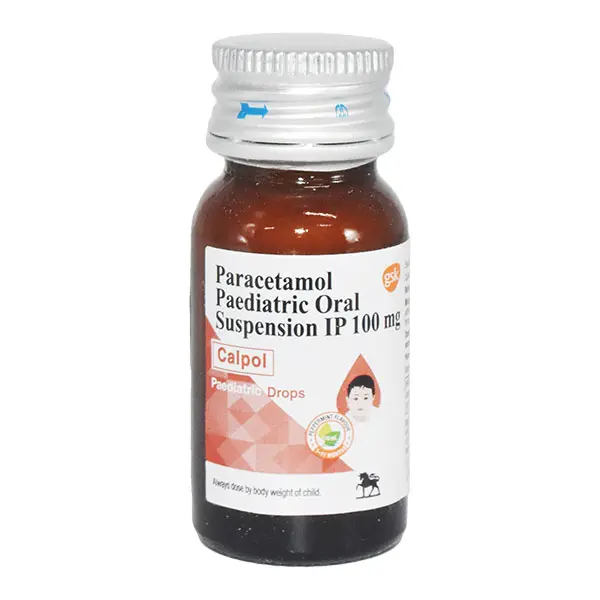
Glaxo SmithKline Pharmaceuticals Ltd
drop - 15 ml
Standard delivery
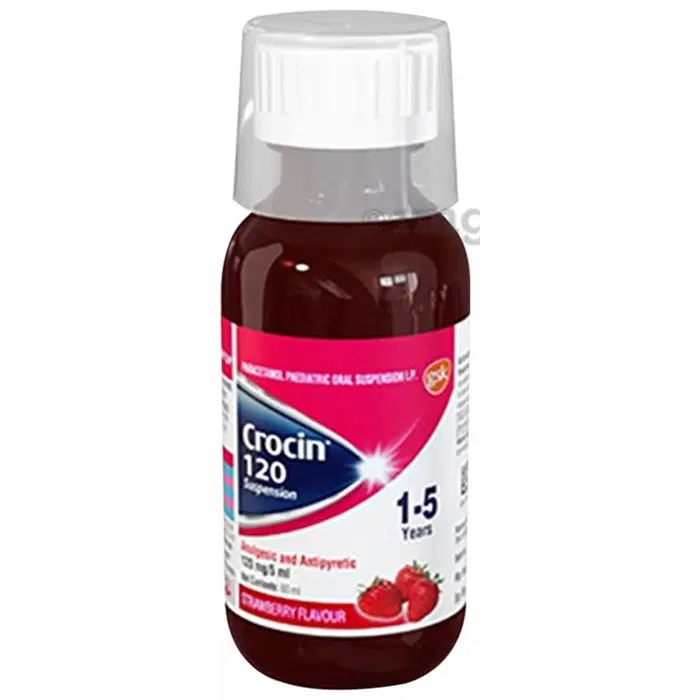
GlaxoSmithKline Asia Private Limited
suspension - 100 ml
Standard delivery
Same brand, other products you might also want.
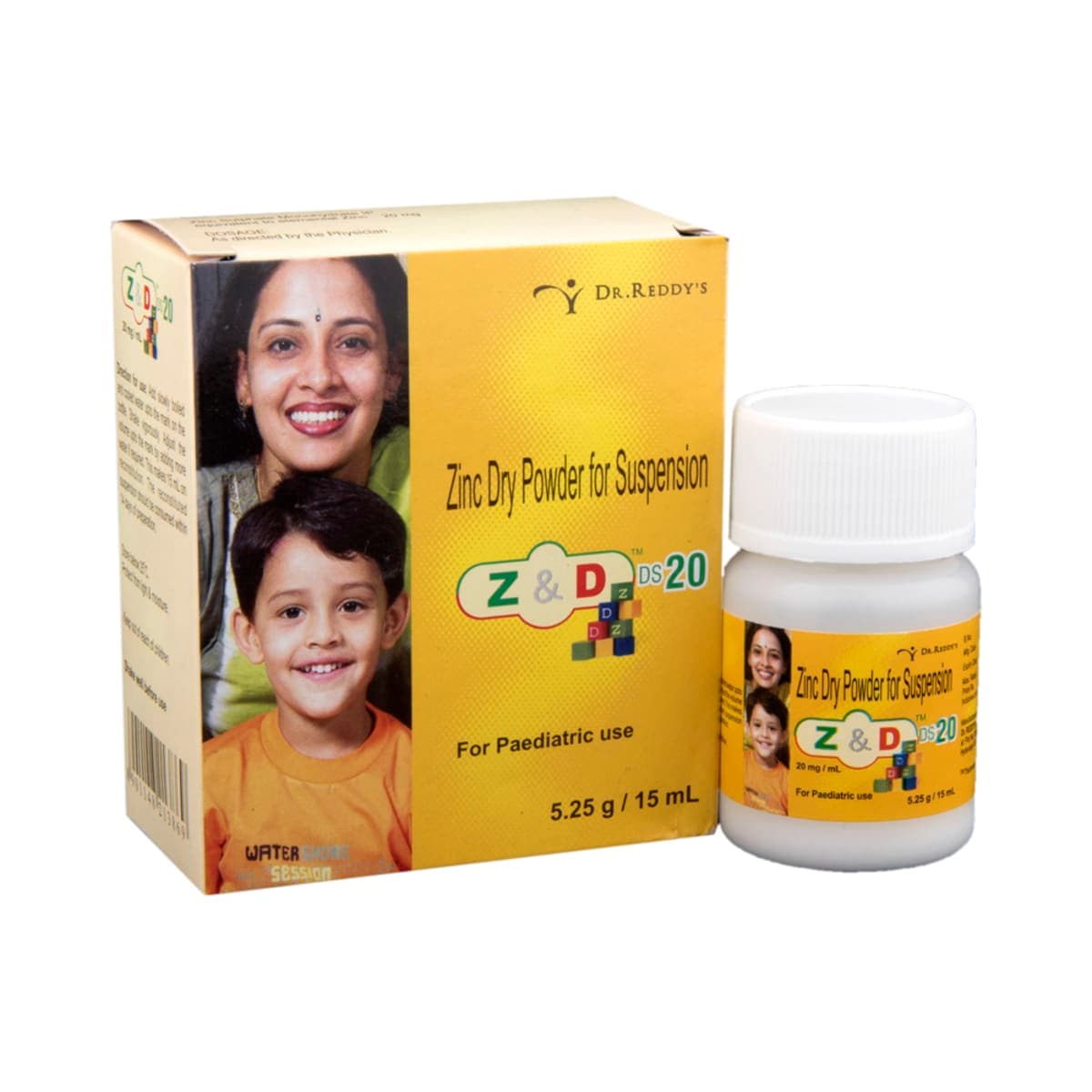
Dr Reddys Laboratories Ltd
capsule - 10 Capsules
Habit-forming — pharmacy only
View information