Why constipation happens
The colon's job is to extract water from food residue and form a soft stool. When food moves through too slowly, more water is absorbed and the stool gets harder. Causes: low fibre and fluid intake (the commonest), sedentary lifestyle, ignoring the urge, certain medicines (iron supplements, painkillers, antidepressants, BP medicines with calcium-channel blockers), pregnancy, hypothyroidism, and irritable bowel syndrome. Travel, stress and irregular meal timings all slow gut motility.
What helps — OTC options & advice
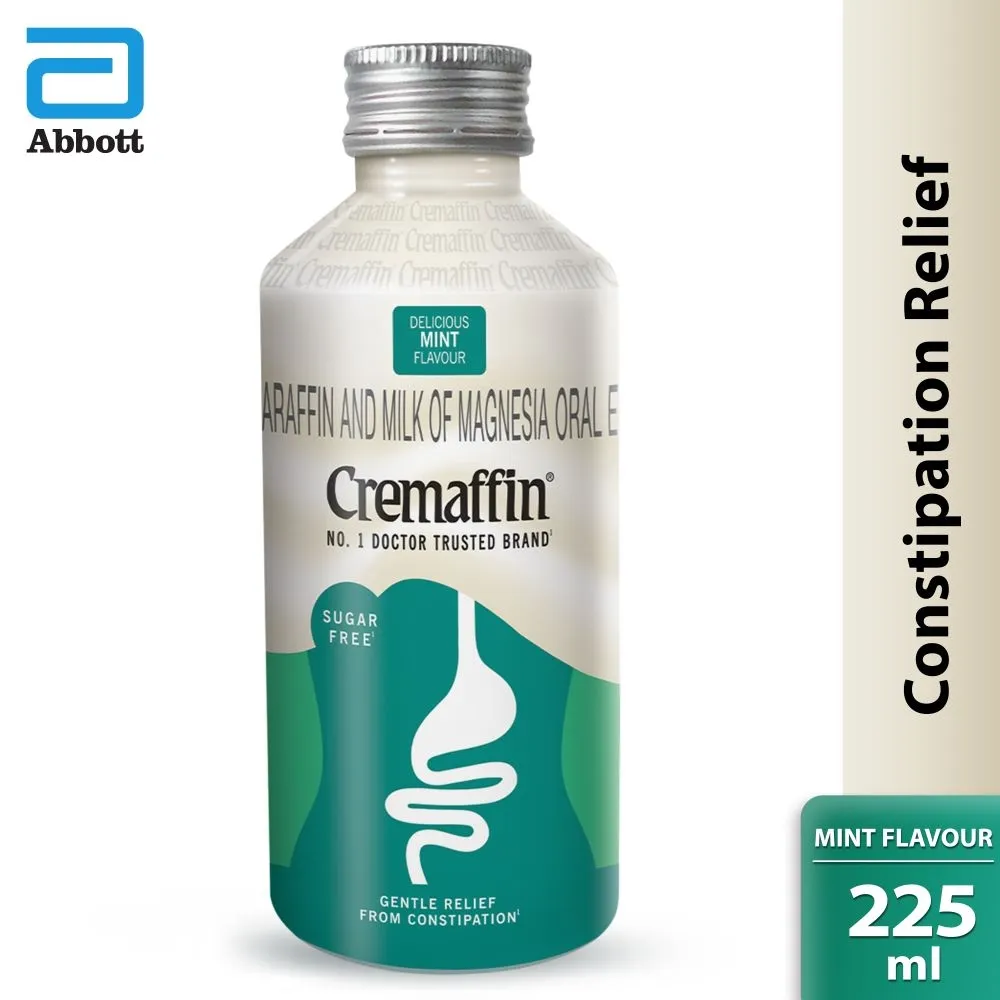
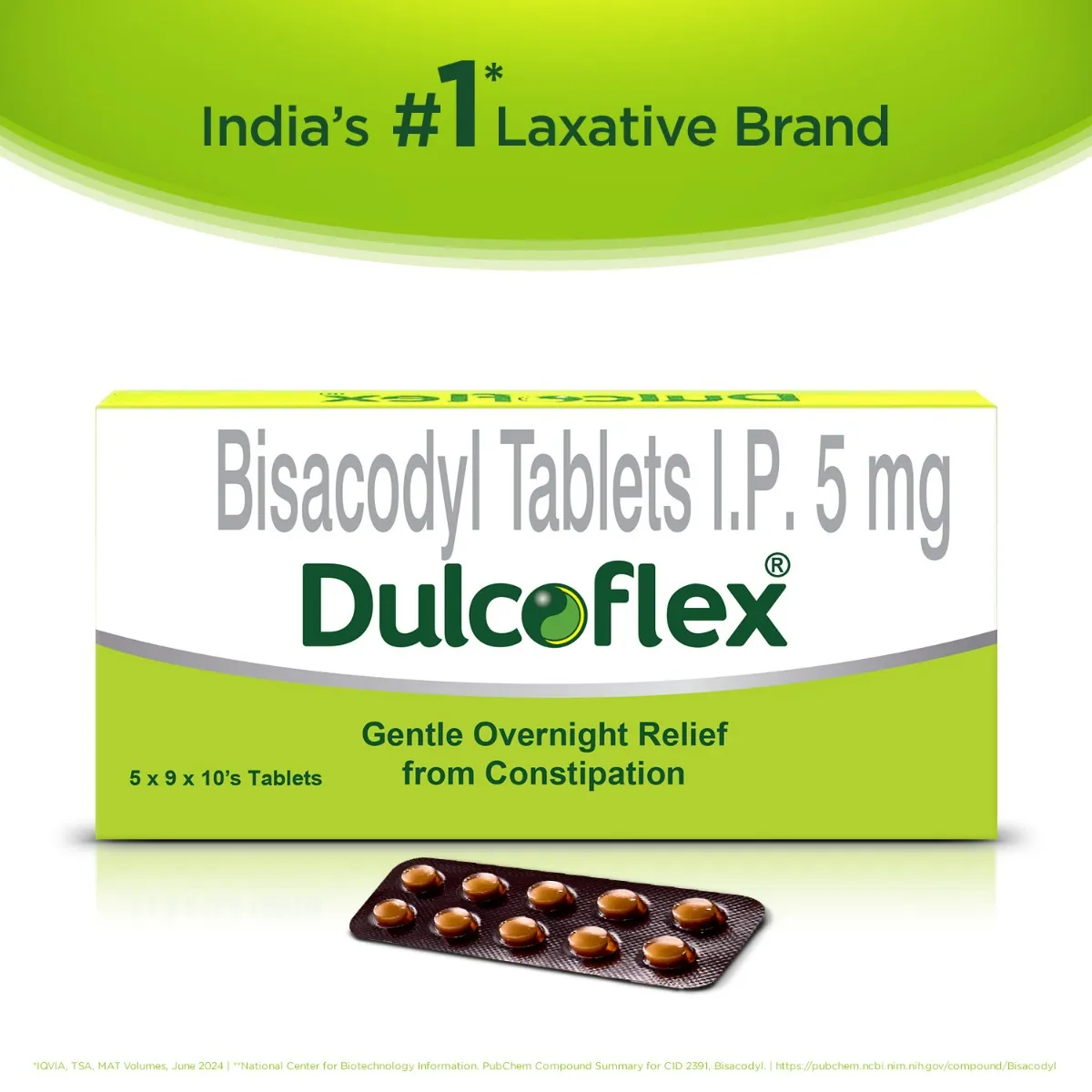
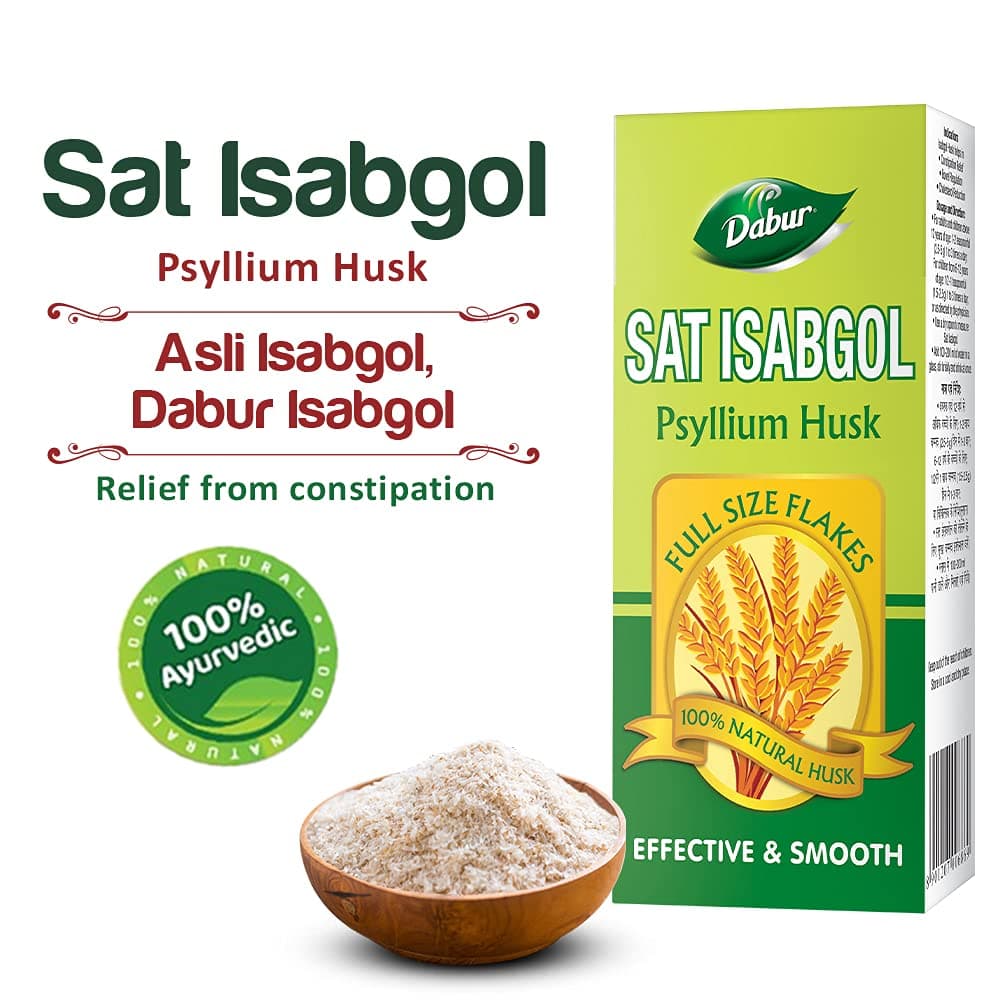
First-line: bulk-forming agents like ispaghula husk (Isabgol, Sat-Isabgol) or psyllium (Naturolax) — 1-2 teaspoons in a glass of warm water at night. They draw water into the stool and add bulk, mimicking dietary fibre. Safe for long-term use. Next step: osmotic laxatives like lactulose (Duphalac, Looz) or polyethylene glycol (PEG, Cremaffin Plus) — they pull water into the gut, softening stool over 24-72 hours. Stool softeners like docusate sodium are mild and useful in people who shouldn't strain (after surgery, with haemorrhoids). Stimulant laxatives like senna (Cremaffin Plus, Senna), bisacodyl (Dulcoflex) work faster (6-12 hours overnight) but only for occasional use — daily use weakens the gut's natural rhythm. For impacted hard stool: a glycerin suppository or a saline enema gives relief in 30 minutes.
Home remedies & lifestyle
Aim for 25-30 g of fibre a day — that's 2 fruits, a generous bowl of vegetables, plus whole grains in 2 meals. Drink 2-3 litres of water; without fluid, fibre makes things worse. Walk 30 minutes daily — gut motility responds remarkably well to leg movement. Sit on the toilet for 5-10 minutes after a meal (the gastro-colic reflex is strongest then). Use a small footstool to bring your knees up — physiologically the best position for stool to pass. Indian foods that help: papaya, pomegranate, dates soaked overnight, prunes, ragi, oats, methi seeds. Castor oil works but is harsh — use only once for an acute episode. Coffee in the morning kicks the gut into motion for many people.