Why fever happens
When your immune system detects an infection, it releases chemicals (pyrogens) that reset the brain's internal thermostat (the hypothalamus) to a higher set-point. You shiver to raise your temperature to the new target, then sweat once the infection clears and the thermostat resets. A fever isn't an illness in itself — it's a sign that something else is going on, most often a viral infection (flu, common cold, COVID, dengue), sometimes a bacterial infection (UTI, throat infection, pneumonia), and occasionally a non-infective cause (heat stroke, drug reactions).
What helps — OTC options & advice
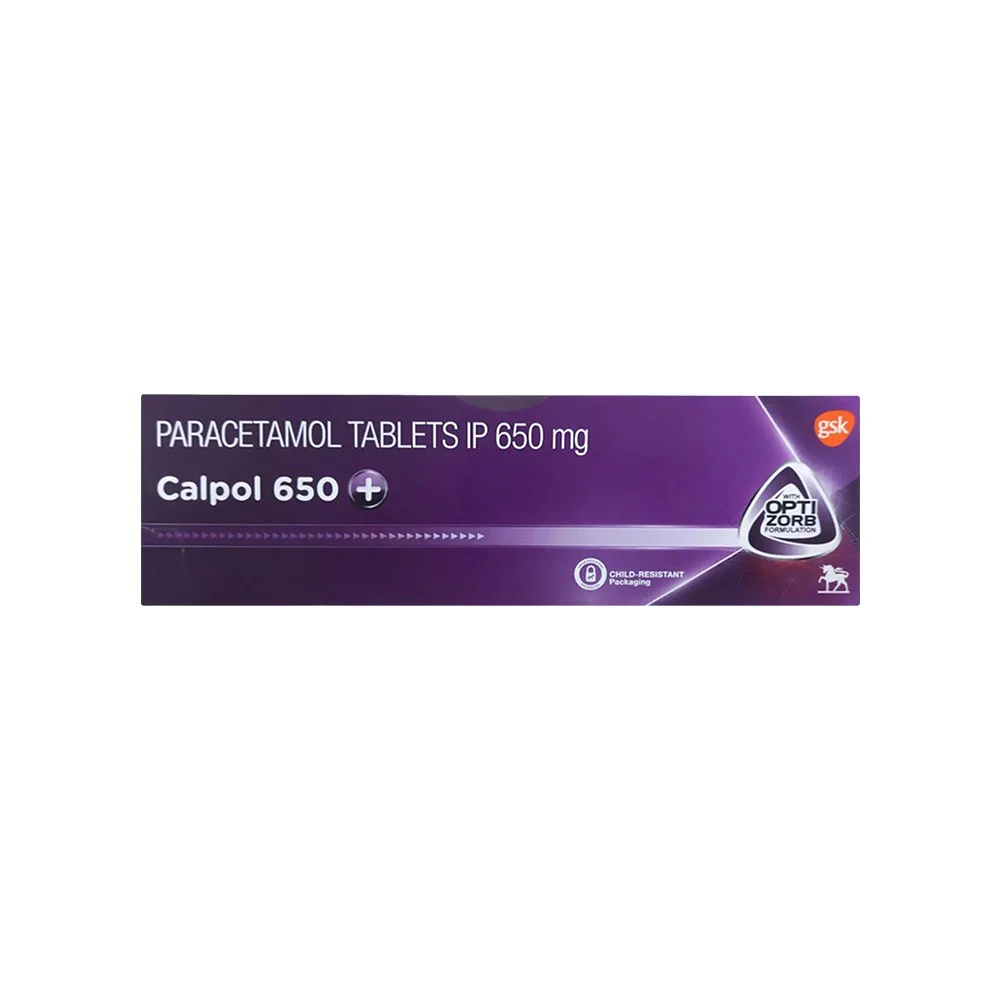
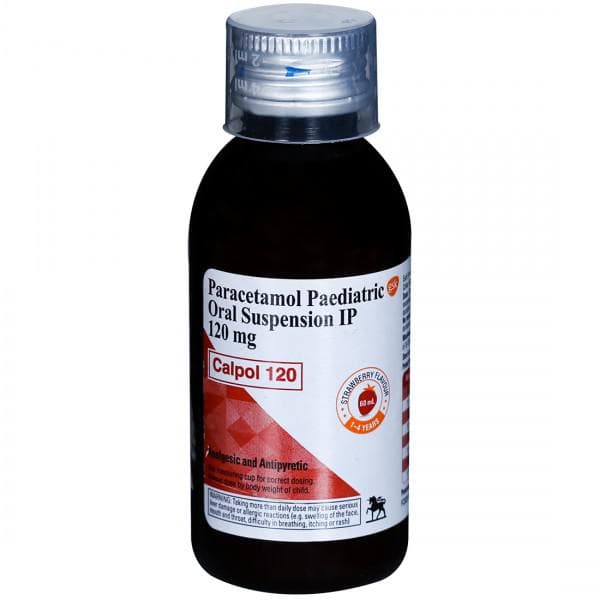
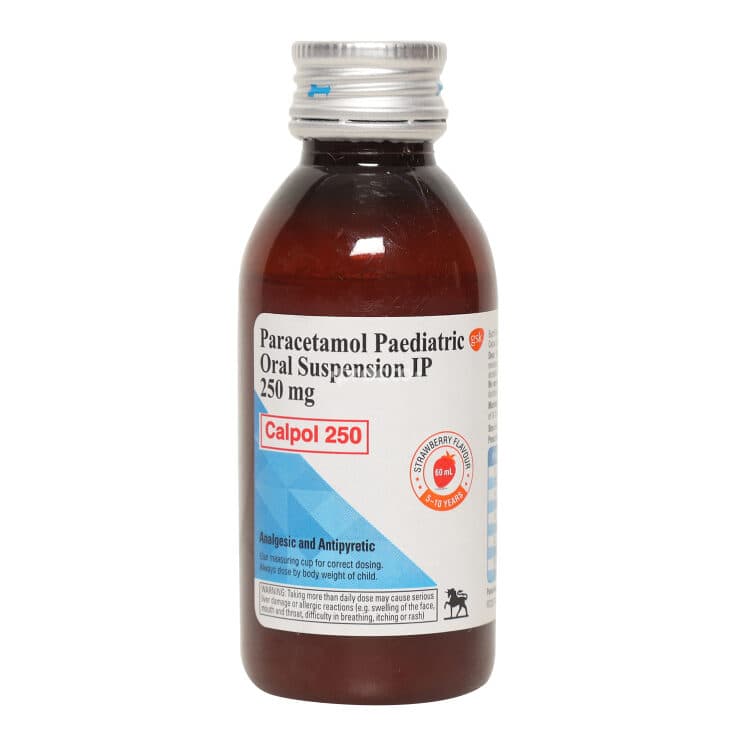
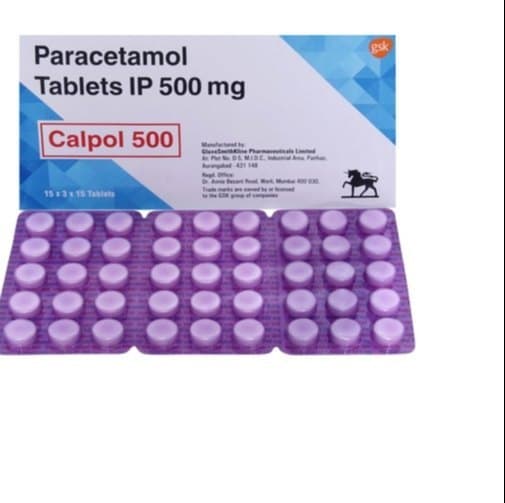
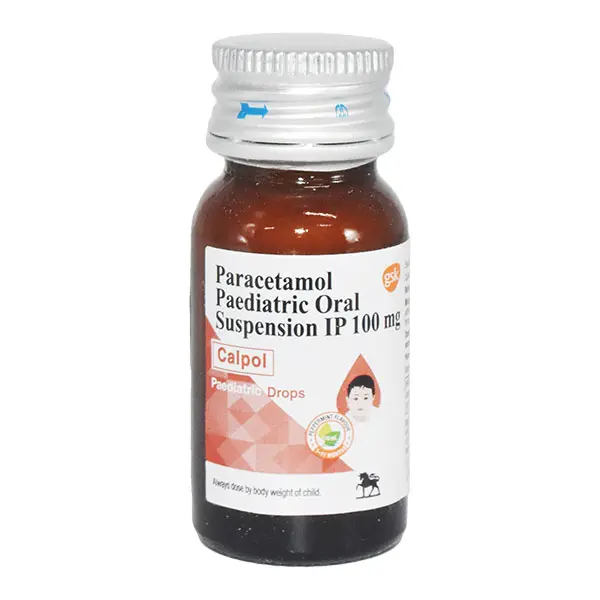
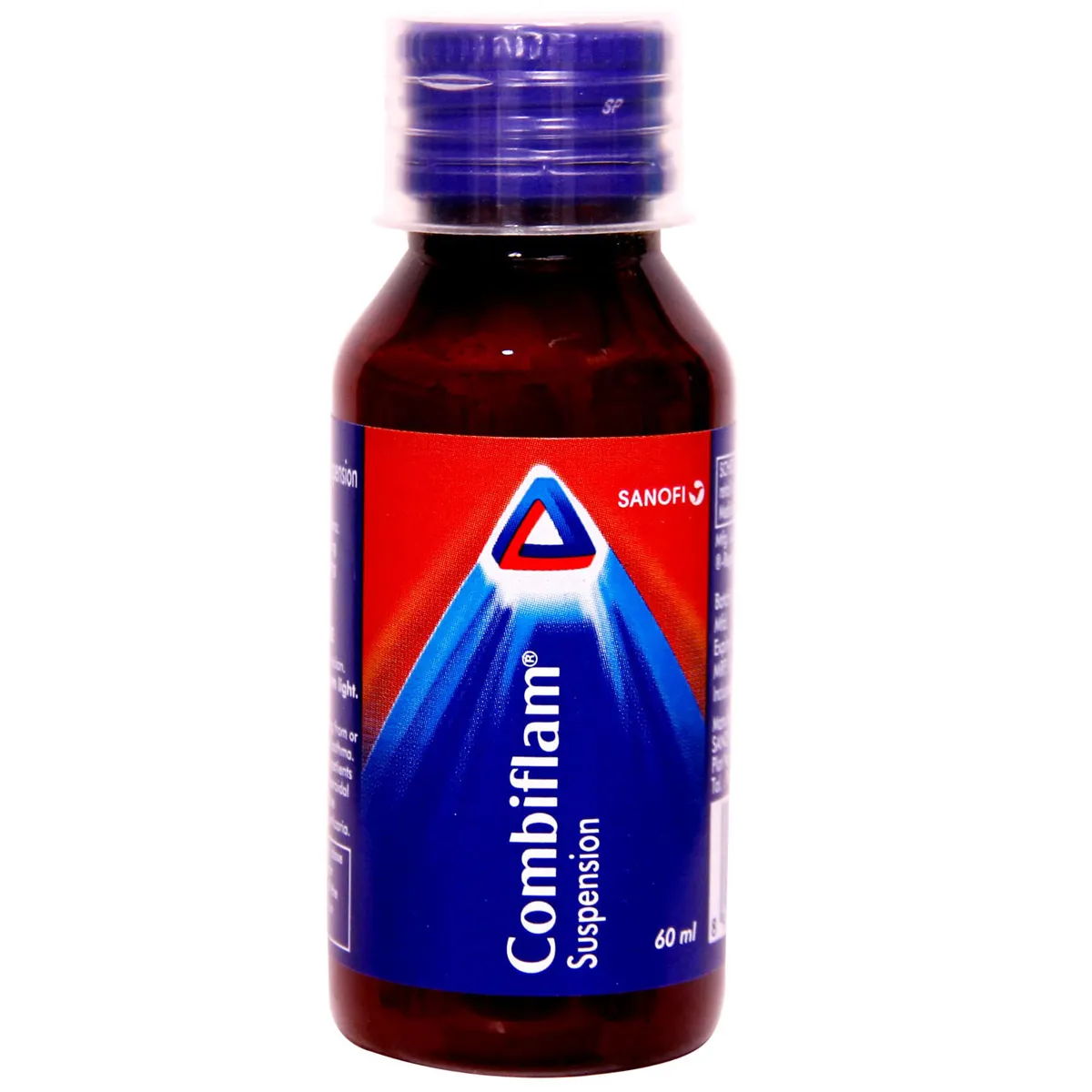
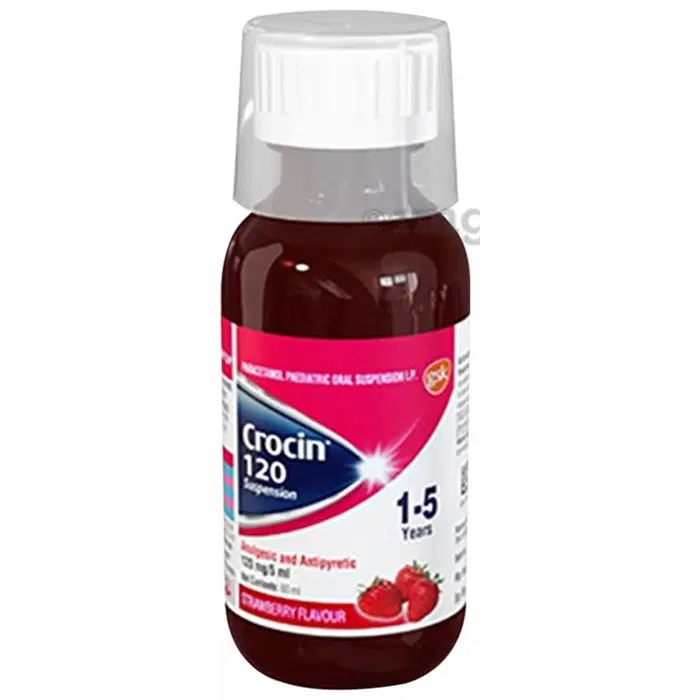
Paracetamol is the first-line fever reducer for almost everyone — adults, kids over 3 months, pregnant women and the elderly. The usual adult dose is 500-1000 mg every 4-6 hours, with a maximum of 4 g in 24 hours. Brand options in India include Crocin, Dolo 650, Calpol and generic paracetamol — all interchangeable at equal doses. Ibuprofen (200-400 mg every 6 hours) works equally well but is harder on the stomach and kidneys; avoid it if you have ulcers, asthma, kidney disease, or are pregnant in the third trimester. Combination painkillers like Combiflam (paracetamol + ibuprofen) offer no real advantage for fever alone and double the side-effect risk. Drink 2-3 litres of fluids a day, dress lightly, sponge with lukewarm water if temperature exceeds 39°C, and don't bundle up in heavy blankets — that traps heat.
Home remedies & lifestyle
Tepid water sponging on the forehead, neck, armpits and groin pulls heat out of the body through evaporation — works within 15-20 minutes and is safe to repeat. Plain water, coconut water, salted lassi or rice kanji keep electrolytes topped up. Tulsi-ginger-honey tea is a long-standing Indian comfort drink that probably won't shorten the fever but does soothe a sore throat and runny nose. Light, easily-digested food (khichdi, dal-rice, plain toast, bananas) is easier on the stomach than heavy meals. Avoid alcohol entirely — it interferes with paracetamol metabolism and worsens dehydration.