Why headache happens
Tension-type headaches (the most common) come from sustained muscle tension in the neck, scalp and jaw — often triggered by stress, screen time, poor posture or skipped meals. Migraine is a neurological condition with throbbing pain (usually one-sided), nausea, sensitivity to light and sound, sometimes preceded by visual disturbances (aura). Sinus headaches stem from infected or congested sinuses — pressure behind the eyes and cheekbones, worse on bending forward. Cluster headaches are severe one-sided pain around an eye, with tearing and nasal congestion. Dehydration, low blood sugar, caffeine withdrawal and hangovers each have their own mechanisms.
What helps — OTC options & advice
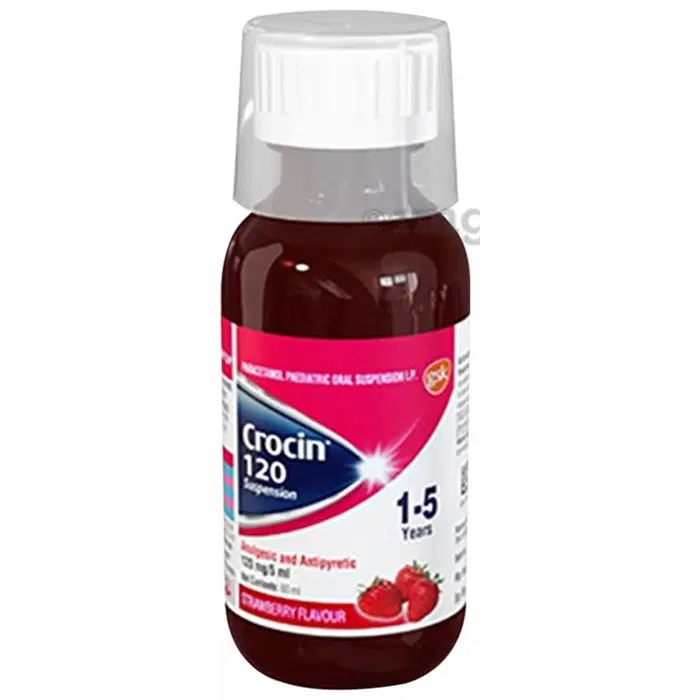
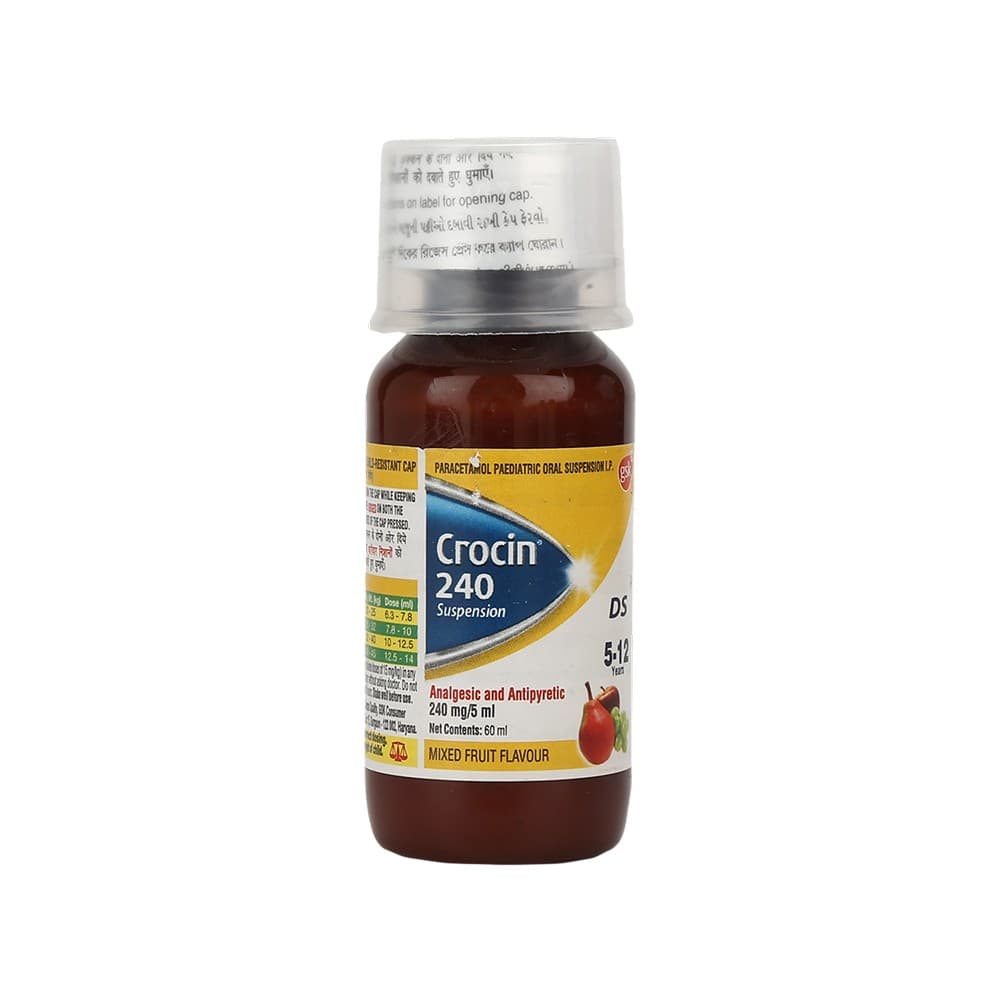
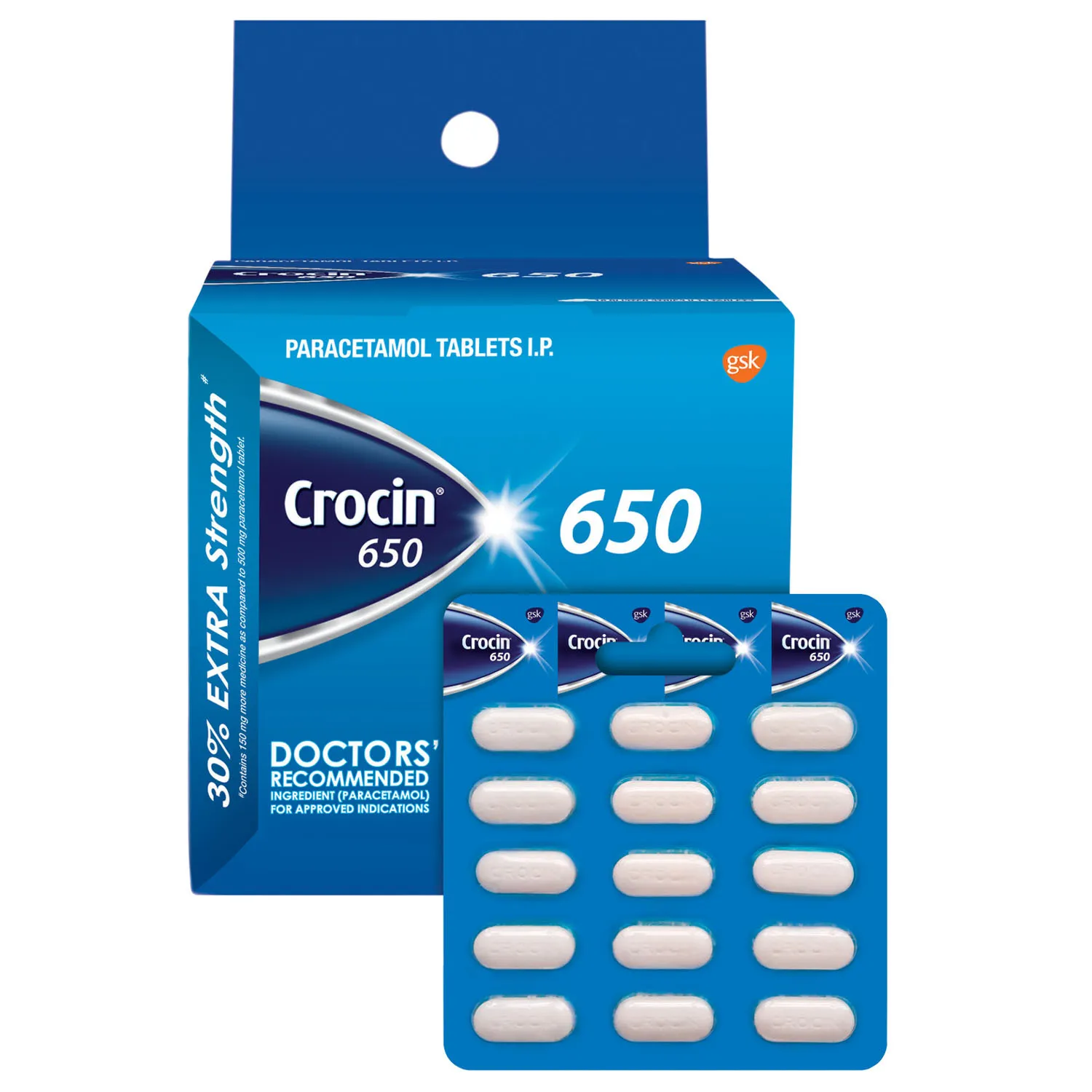
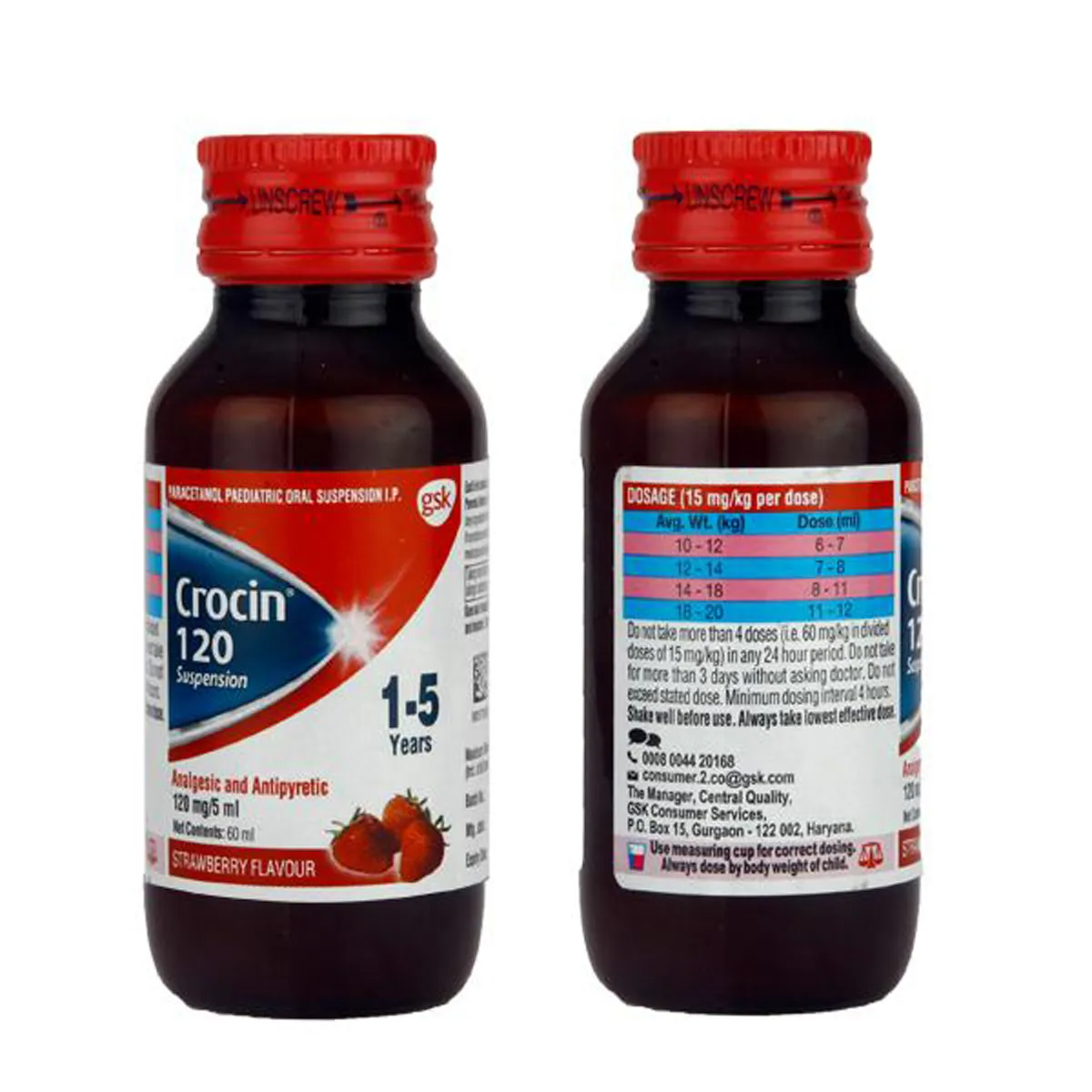
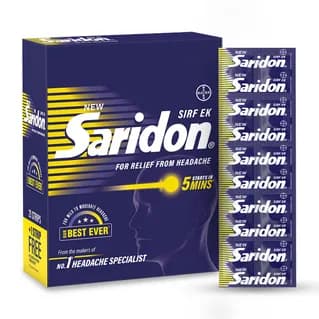
For tension headaches: paracetamol 500-1000 mg works for most. Ibuprofen 400 mg or naproxen 250-500 mg are stronger options if paracetamol isn't enough. For migraine: a triptan like sumatriptan 50-100 mg (prescription) taken at the first sign of pain is the gold standard — over-the-counter combinations of paracetamol + caffeine + aspirin (Saridon, Vasograin) help mild attacks. Anti-nausea tablets like domperidone or ondansetron help if vomiting is part of the picture. For sinus headaches: a combination cold tablet with phenylephrine plus paracetamol (Sinarest, D-Cold Total) tackles both the congestion and the pain. Crucially: don't use any painkiller more than 2-3 days a week for headaches — that's how chronic medication-overuse headache develops, and it's a hard cycle to break.
Home remedies & lifestyle
A cold compress on the forehead or back of the neck eases throbbing migraine pain in 15-20 minutes. A warm compress on tense neck and shoulder muscles helps tension headache. A dark, quiet, well-ventilated room with a 20-minute nap helps both. Hydration matters — most working-day headaches respond to 500 ml of water plus a snack. Reduce screen brightness, use blue-light glasses, take a 20-second screen break every 20 minutes (20-20-20 rule). For migraine triggers, keep a diary — common culprits are chocolate, aged cheese, red wine, MSG, fasting, oversleeping, hormonal cycles and weather changes. Yoga, regular exercise and consistent sleep cut migraine frequency over months.