Medically reviewed by Dr. Balaji Krishnan, MBBS · Updated September 2026
How to choose
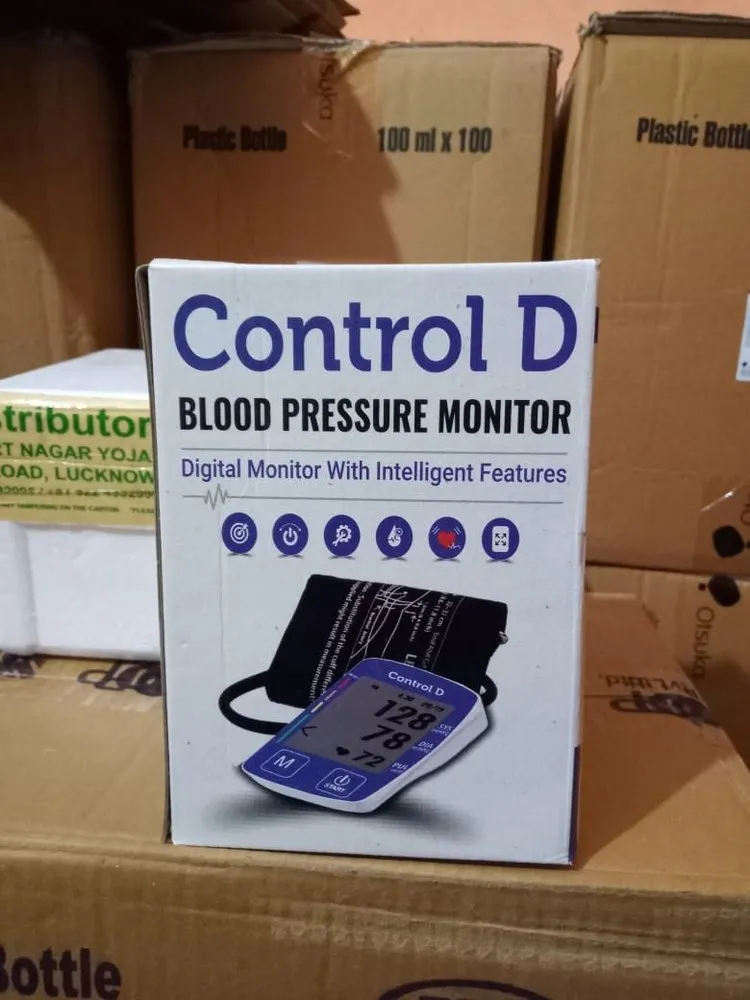
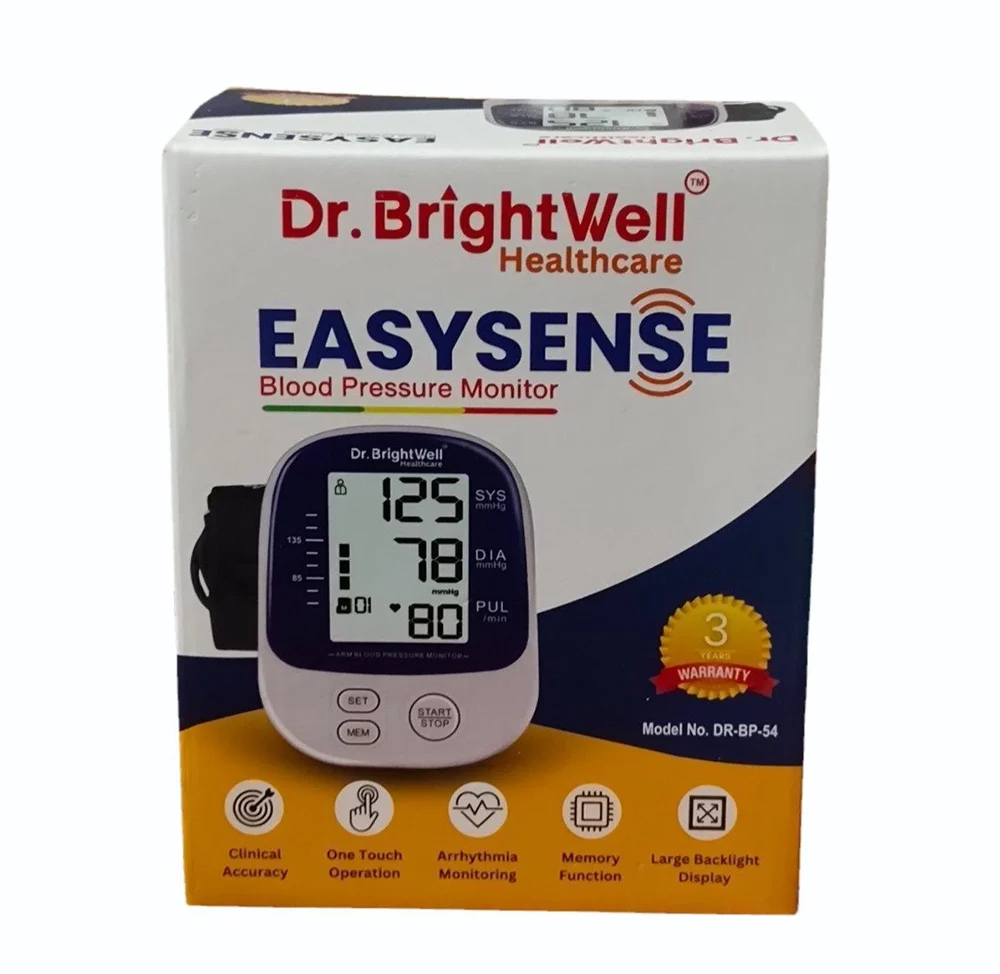
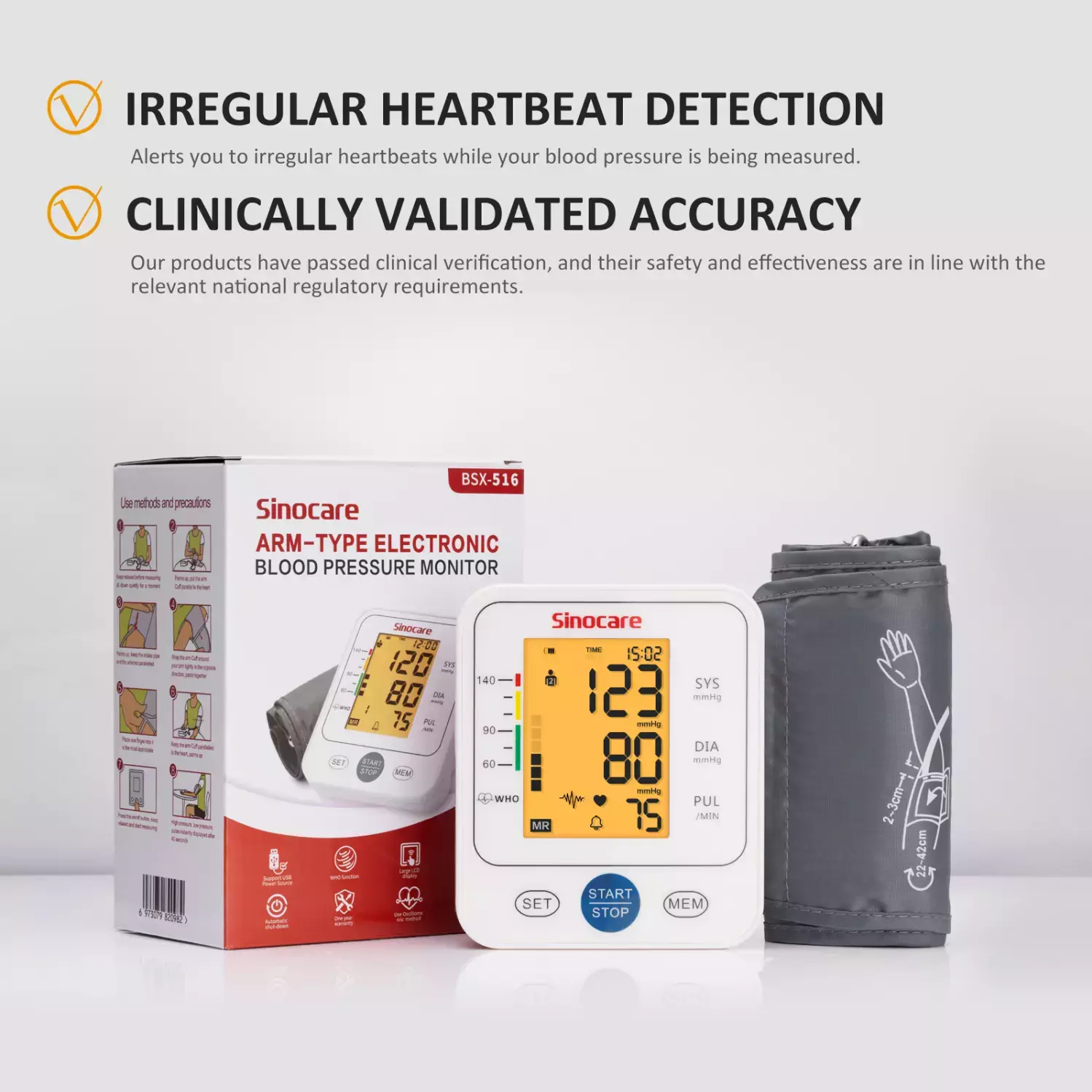
Upper-arm cuff > wrist cuff every time. Wrist monitors are pocketable but notoriously inaccurate (small position changes throw the readings off). Stick with upper-arm. Cuff size matters — most monitors come with a 22-32 cm cuff that fits average adults; bigger or smaller arms need separately-sized cuffs (sold separately by Omron and Beurer). An under-sized cuff over-reads BP by 5-10 mmHg, which can lead to wrong medication adjustments. Validation: look for ESH (European Society of Hypertension), BHS (British Hypertension Society) or AAMI validation. Most Omron and Beurer models are validated; many no-name brands aren't. Memory: 60+ readings is standard; 2-user memory if multiple family members use it. Bluetooth/app sync is convenient but not essential. Atrial fibrillation detection is a useful feature for over-65s. Power: rechargeable USB beats AA batteries for daily use.
Who really needs this
Anyone with diagnosed hypertension. Anyone over 40 with risk factors (family history, diabetes, kidney disease, obesity). Anyone with white-coat hypertension (BP normal at home but high at the clinic). Pregnant women with PIH or pre-eclampsia history. Diabetic patients on ACE inhibitors. Caregivers of elderly parents.