Medically reviewed by Dr. Balaji Krishnan, MBBS · Updated September 2026
How to choose
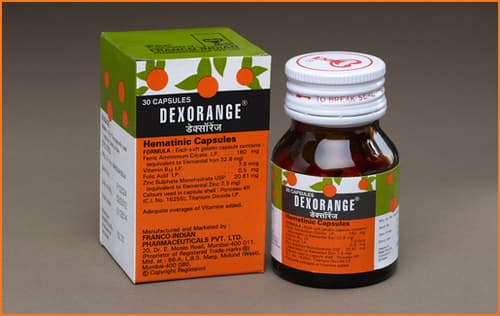
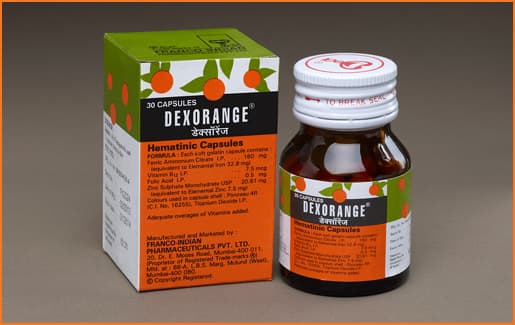
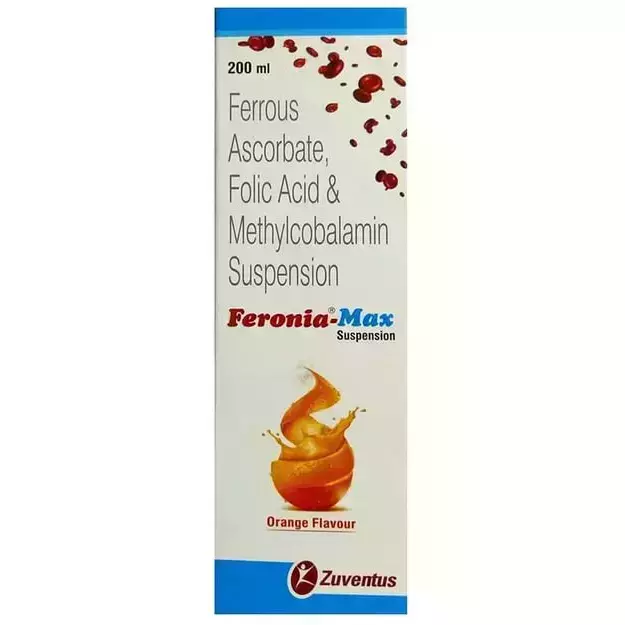
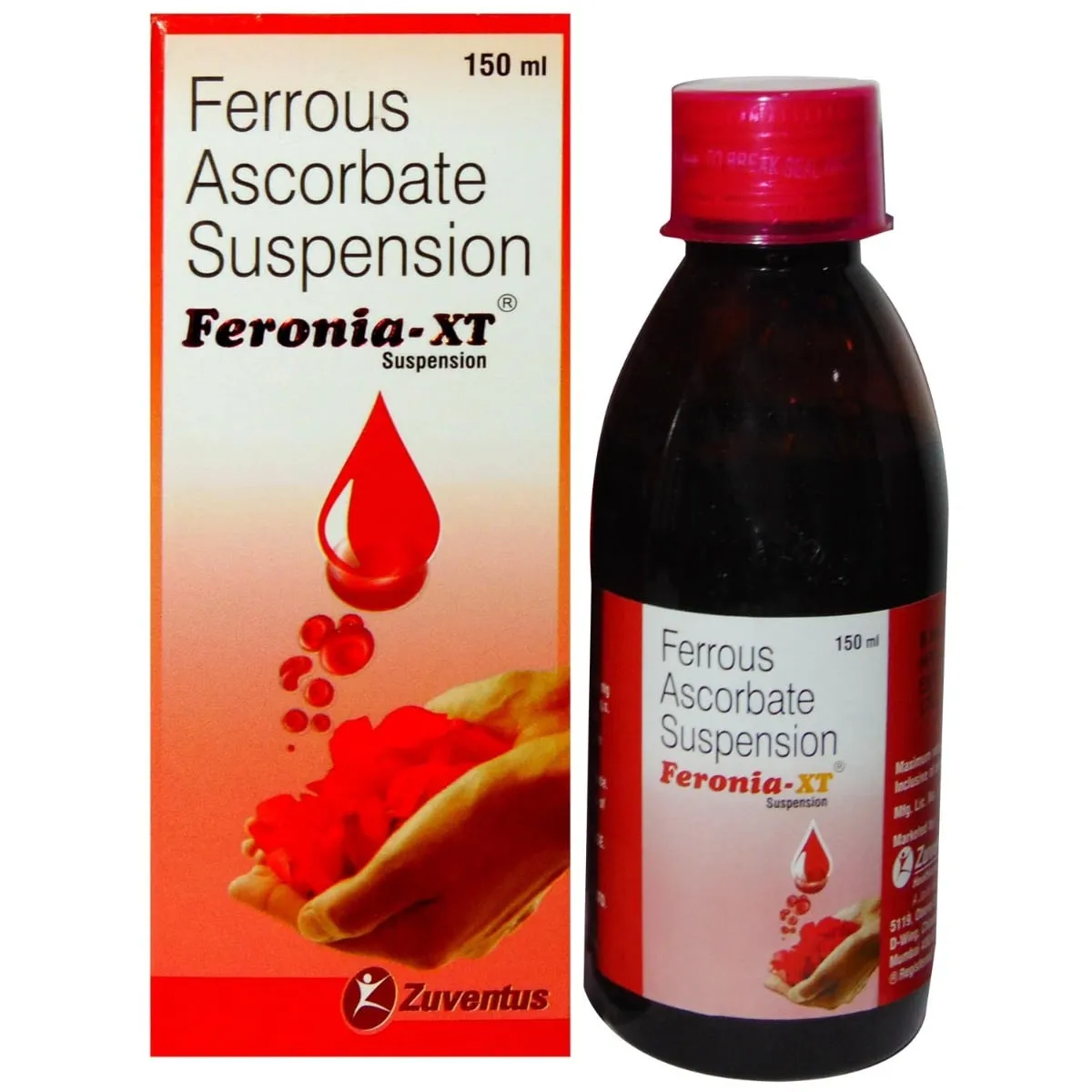
Form decides tolerability: ferrous ascorbate (Orofer XT, Feronia XT) and polymaltose complexes (Haem Up) are gentler on the stomach and absorb reliably; classic ferrous fumarate/sulphate (Livogen, Autrin) is effective and cheapest but constipates more people. Most quality combinations add folic acid (the XT suffix) and sometimes zinc or B12 — sensible partners for blood building. Absorption tactics matter as much as the brand: take iron on an empty-ish stomach or with a vitamin C source (lemon water works), and keep it 2 hours away from tea, coffee, milk, calcium tablets and antacids — all of which block it substantially. Liquid tonics (Dexorange) suit anyone who can't tolerate tablets; drops and syrups exist for children but paediatric dosing belongs to a paediatrician. Expect a 2-3 month course to rebuild stores after correcting deficiency — a strip or two changes nothing.
Who really needs this
Menstruating women (heaviest single cause of deficiency here), pregnancy — under obstetric guidance with the prescribed dose, vegetarians (plant iron absorbs poorly), regular blood donors, and anyone with LAB-CONFIRMED iron-deficiency anaemia. The confirmation matters: a CBC plus ferritin test is cheap and definitive. Unexplained anaemia in men or post-menopausal women is a red flag needing investigation (often gut blood loss) — supplementing over it hides the warning. Thalassaemia trait can mimic iron deficiency; iron is the wrong answer there.