Medically reviewed by Dr. Balaji Krishnan, MBBS · Updated September 2026
How to choose
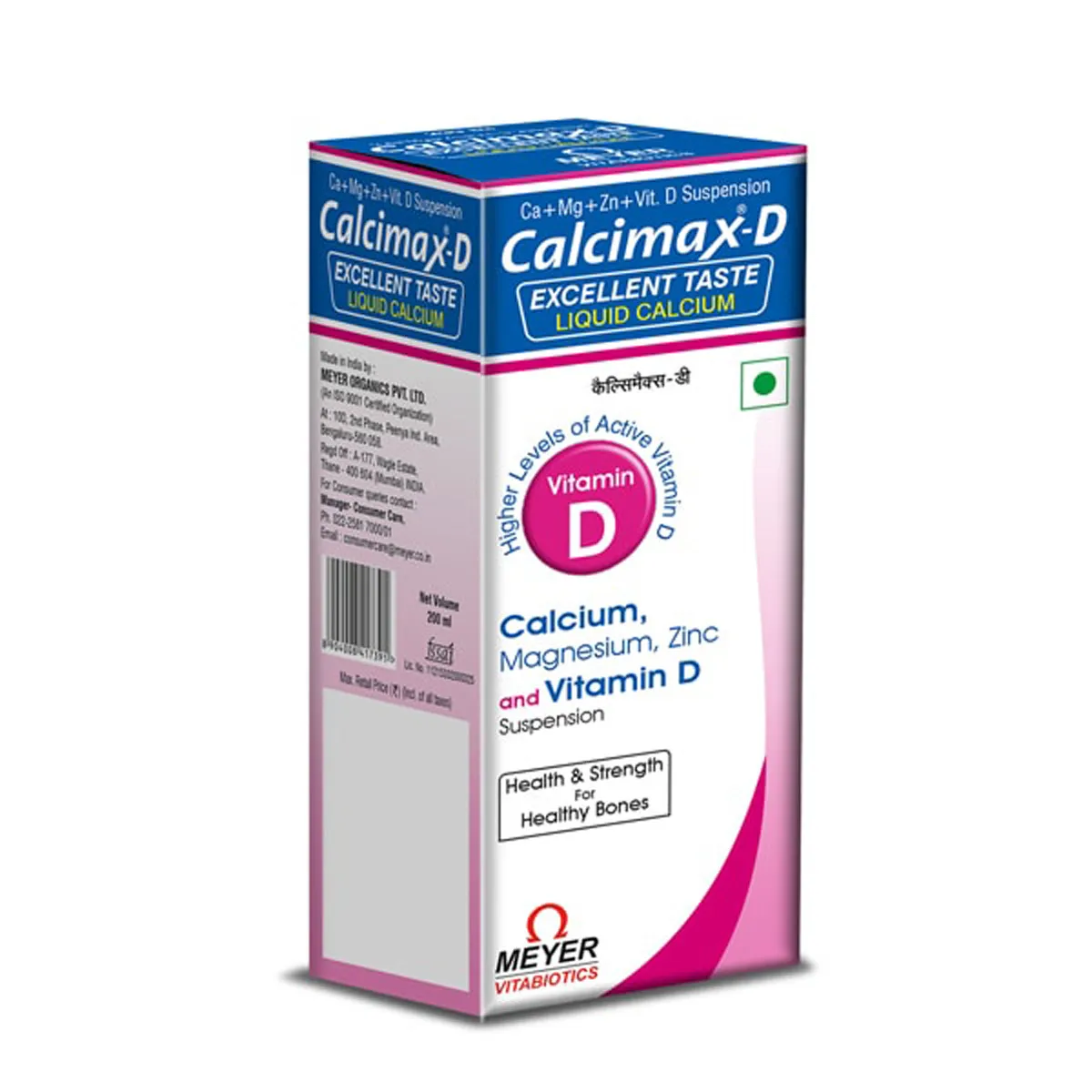
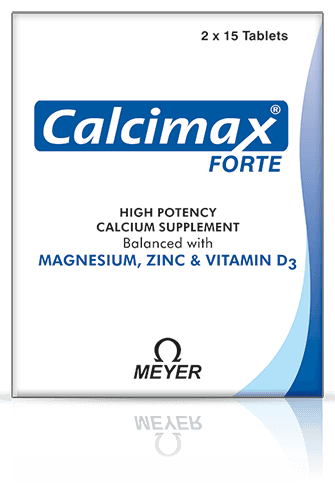
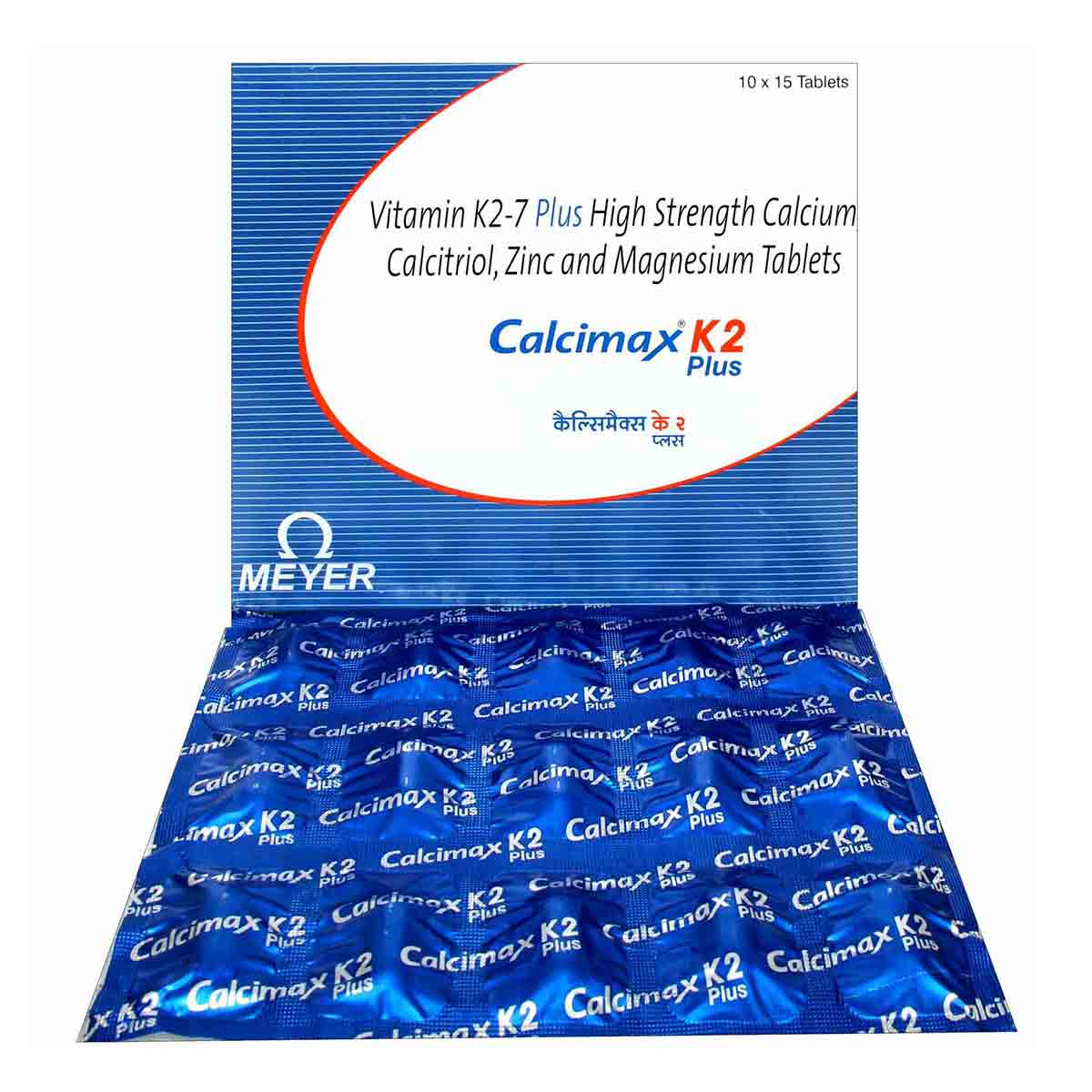
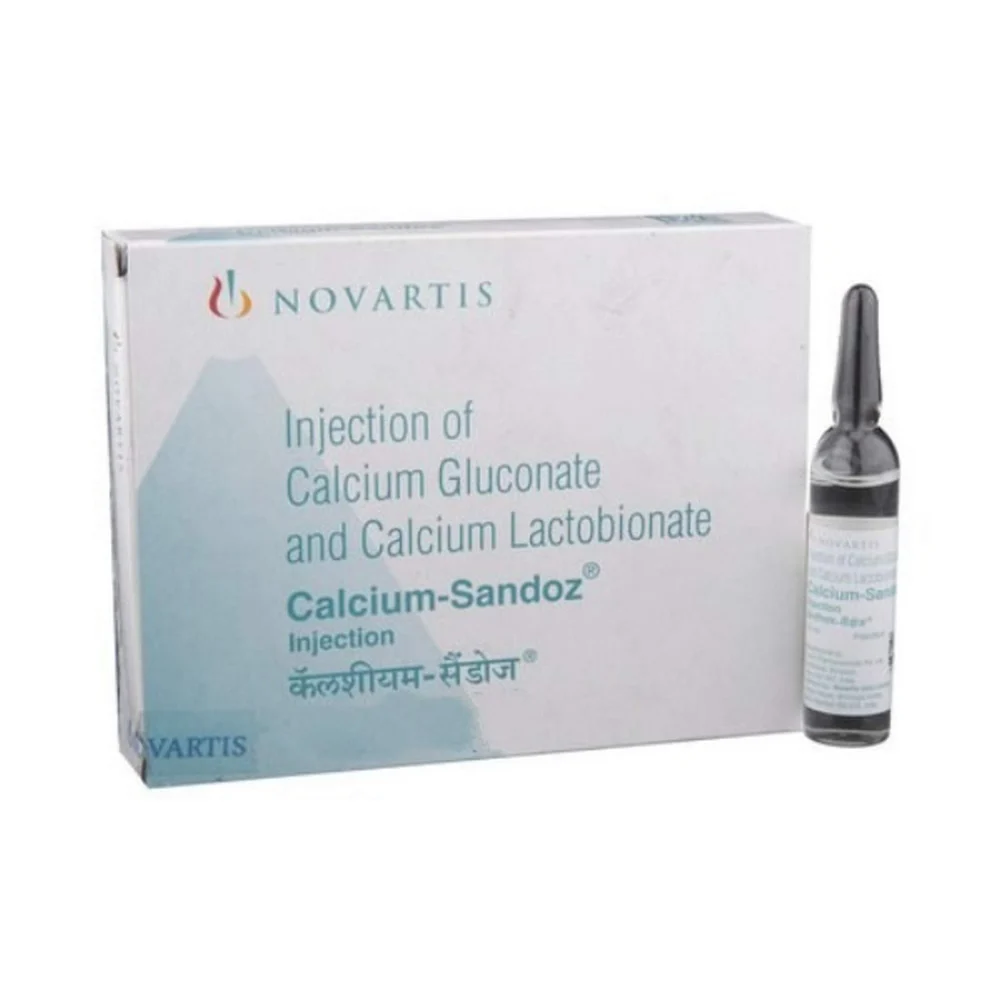
Form first: calcium carbonate (Shelcal, Cipcal) is the workhorse — highest calcium per tablet, cheapest, but needs food for absorption. Calcium citrate absorbs without food and suits anyone on acidity medicines (pantoprazole and friends genuinely blunt carbonate absorption). Every worthwhile tablet pairs calcium with vitamin D3 (usually 250-400 IU) — D3 is the key that opens the absorption door. K2-added combinations (Calcimax K2) carry a reasonable theory (directing calcium to bone rather than vessels) at a premium — nice-to-have, not essential. Dose: the body absorbs only ~500 mg elemental calcium at a time, so a 1,000 mg daily target means two split doses, not one big tablet. Total target (diet + supplement) is 1,000-1,200 mg/day for adults over 50 — count the diet first; two cups of milk plus curd covers half. More is not better: excess supplemental calcium causes constipation and kidney stones.
Who really needs this
Post-menopausal women (bone loss accelerates sharply), adults over 65, anyone on long-term steroids, thyroid over-replacement, or anti-seizure medicines, adults avoiding dairy, and anyone with diagnosed osteopenia/osteoporosis — as part of doctor-led treatment, since calcium alone doesn't treat osteoporosis. Get levels checked rather than guessing: a vitamin D test plus a doctor's look at diet beats blind supplementing. Skip self-supplementing if you've had kidney stones or kidney disease — that decision belongs to your doctor.