Image unavailable
15`S
Inclusive of all taxes
Prescription required — upload during checkout when prompted.
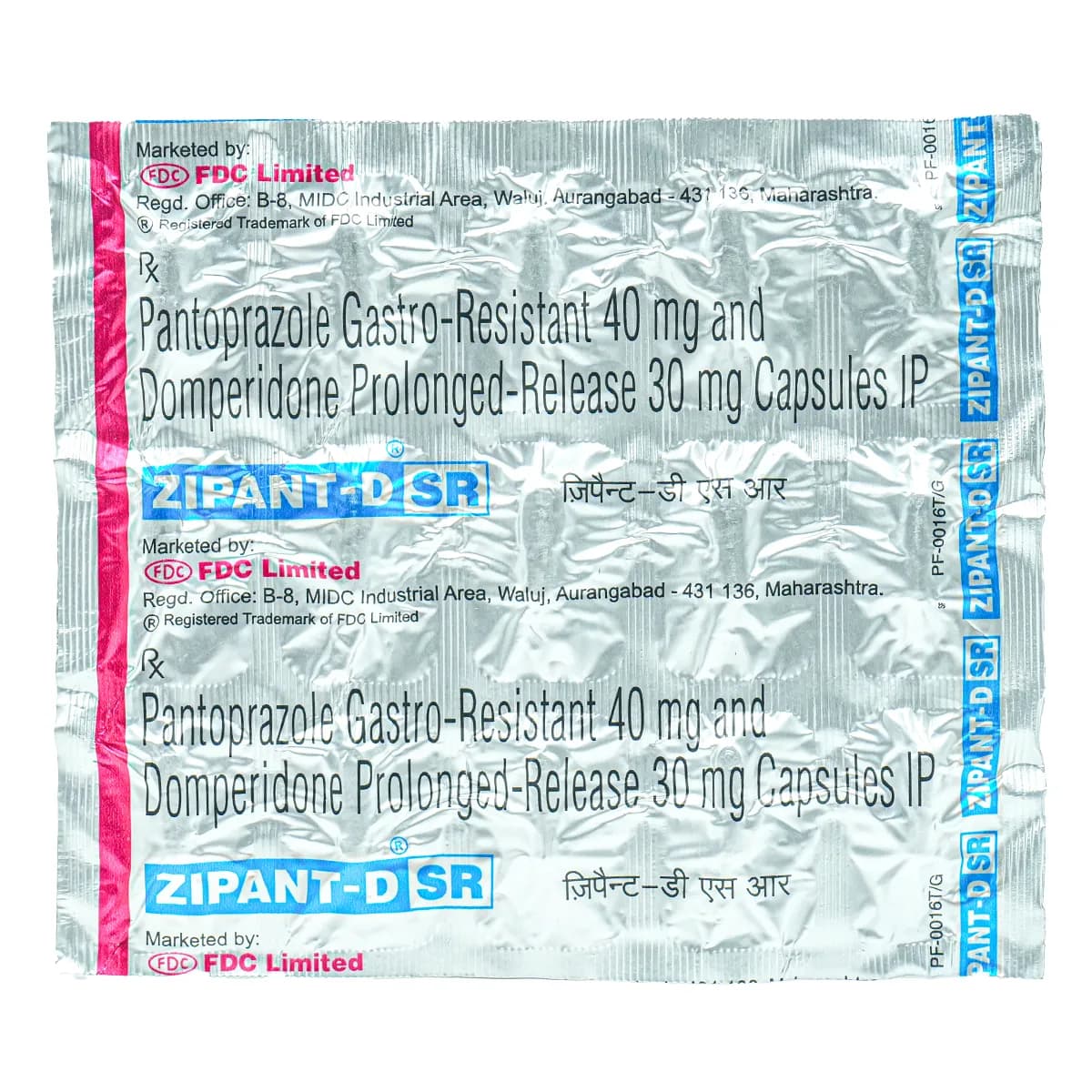
Pantoprazole 40 mg (as enteric-coated), Domperidone 30 mg (as sustained release) capsule
Zipant -D SR contains Pantoprazole 40 mg (as enteric-coated), Domperidone 30 mg (as sustained release) capsule. Prescription required.
Before you take it
Consult doctor
Use with caution
Monograph
Zipant -D SR contains Pantoprazole 40 mg (as enteric-coated), Domperidone 30 mg (as sustained release) capsule. Prescription required.
Gastroesophageal reflux disease (GERD), heartburn and acid reflux, gastritis and acid-peptic disorders, nausea/vomiting associated with reflux or delayed gastric emptying
Pantoprazole is a proton pump inhibitor that reduces stomach acid by blocking the H+/K+ ATPase pump in gastric parietal cells. Domperidone is a peripheral dopamine (D2) antagonist that increases gastric motility and helps relieve nausea by enhancing gastric emptying.
Take as directed by doctor. Usually 1 capsule once daily, preferably 30 minutes before breakfast; swallow whole and do not crush/chew (SR/enteric-coated).
Headache, diarrhoea, abdominal pain, nausea, dry mouth, dizziness, constipation, flatulence
Use with caution in liver disease. Domperidone may increase risk of QT prolongation/serious arrhythmias—avoid in patients with known QT prolongation, significant electrolyte disturbances, or underlying cardiac disease; do not exceed prescribed dose. Long-term PPI use may be associated with low magnesium/vitamin B12, bone fracture risk, and C. difficile-associated diarrhoea; report persistent diarrhoea. Seek medical advice if alarm symptoms occur (weight loss, vomiting blood, black stools, difficulty swallowing).
QT-prolonging drugs (e.g., amiodarone, sotalol, certain antipsychotics), strong CYP3A4 inhibitors (e.g., ketoconazole, itraconazole, erythromycin/clarithromycin, ritonavir) increase domperidone levels; drugs needing acidic pH for absorption (e.g., ketoconazole, atazanavir), warfarin (monitor), methotrexate (high-dose), digoxin
Store below 25°C in a cool, dry place. Protect from light and moisture. Keep in original pack.
Pantop-D SR, Pan-D SR, Pantocid DSR, Pantodac DSR, Pansec DSR
At a glance
Good to know
Gastroesophageal reflux disease (GERD), heartburn and acid reflux, gastritis and acid-peptic disorders, nausea/vomiting associated with reflux or delayed gastric emptying
Headache, diarrhoea, abdominal pain, nausea, dry mouth, dizziness, constipation, flatulence
Pantoprazole is a proton pump inhibitor that reduces stomach acid by blocking the H+/K+ ATPase pump in gastric parietal cells. Domperidone is a peripheral dopamine (D2) antagonist that increases gastric motility and helps relieve nausea by enhancing gastric emptying.
Take as directed by doctor. Usually 1 capsule once daily, preferably 30 minutes before breakfast; swallow whole and do not crush/chew (SR/enteric-coated).
Store below 25°C in a cool, dry place. Protect from light and moisture. Keep in original pack.
Yes, this product requires a valid prescription (Rx). Upload it during checkout when prompted.
Yes. Prices and availability can change based on inventory and serviceability. The latest details are shown at checkout.
Select a variant, add to cart, enter delivery address, upload prescription if required, and pay securely.
Brand
FDC Ltd
View all products from this brand
Manufacturer
FDC LIMITED
Medical disclaimer: product information is for awareness only and does not replace medical advice. For Rx medicines, a valid prescription is required. Consult your doctor or pharmacist for personalised guidance. Sources: Manufacturer labeling, established medical literature (PPIs/domperidone), CDSCO safety communications
Other products patients also browse for similar needs.

capsule - 40 mg - 10 S

CIPLA LIMITED
Prescription required
Check delivery at checkout
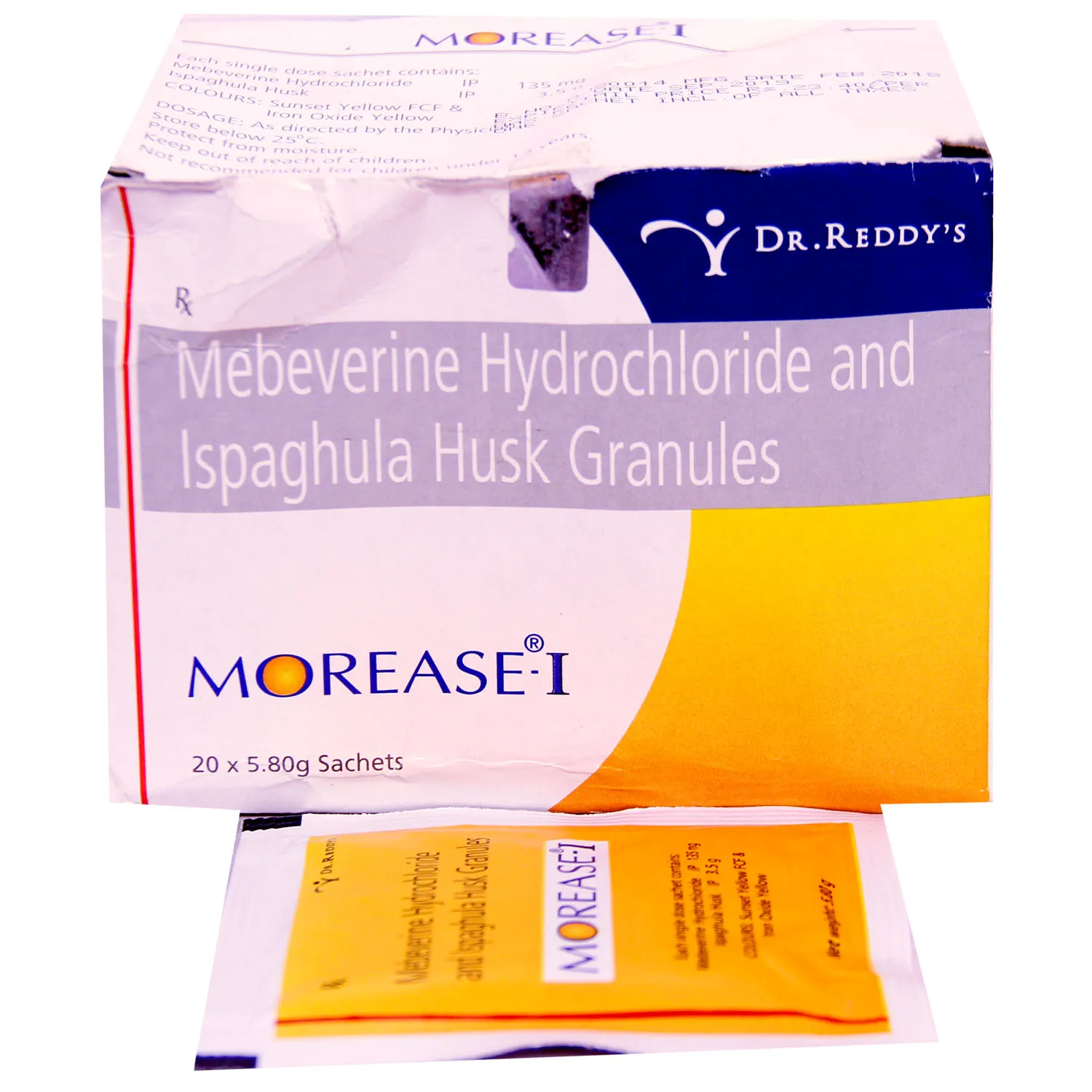
sachet - 1 S

Dr Reddys Laboratories Ltd
Prescription required
Check delivery at checkout
tablet - 10 mg - 10 S
ARETAEUS PHARMACEUTICALS`
Prescription required
Check delivery at checkout
Same brand, other products you might also want.