Why allergy & sneezing happens
Your immune system has a memory of substances it's encountered. With true allergens, it has overreacted to that memory — releasing IgE antibodies which trigger mast cells to dump histamine into surrounding tissue. The histamine dilates blood vessels (red, watery eyes), stimulates mucus production (runny nose), constricts airways (wheezing) and activates skin nerves (itching). Indians commonly react to: dust mites (in mattresses and curtains), cockroach allergens, tree pollen (March-May), grass pollen (October-November), pet hair, certain foods (peanuts, prawns, eggs, milk), bee stings and some medicines.
What helps — OTC options & advice
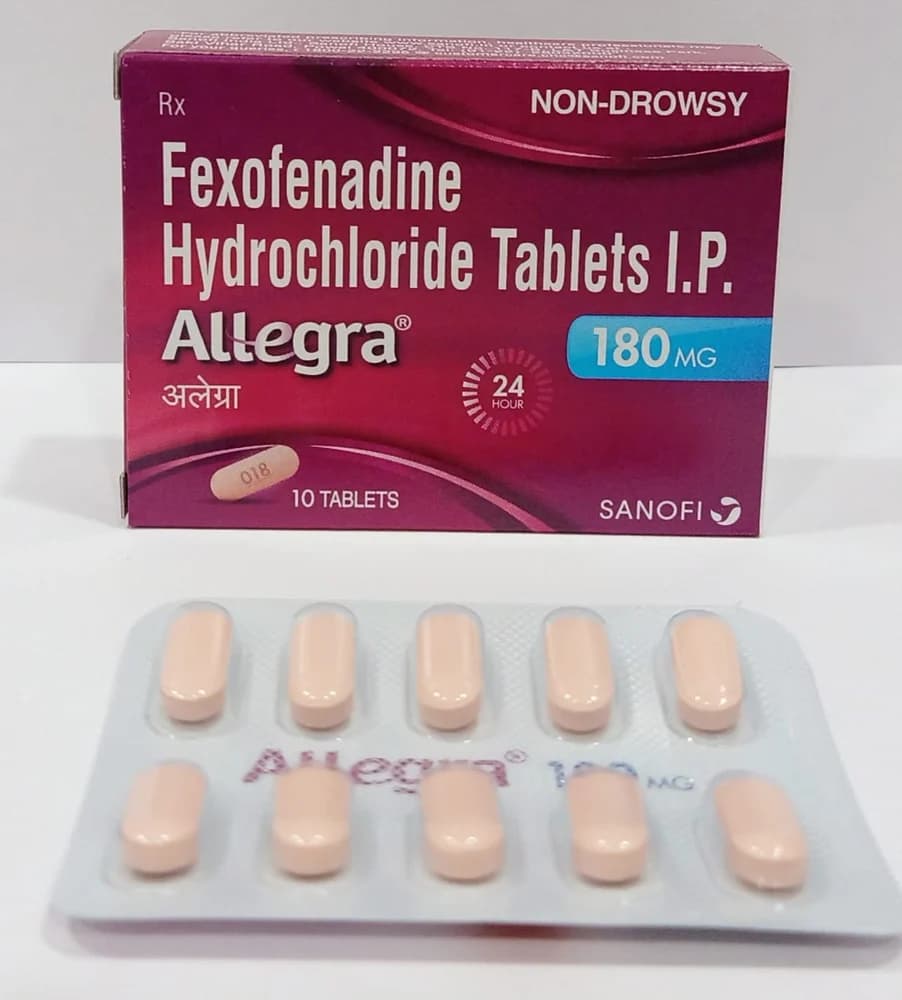
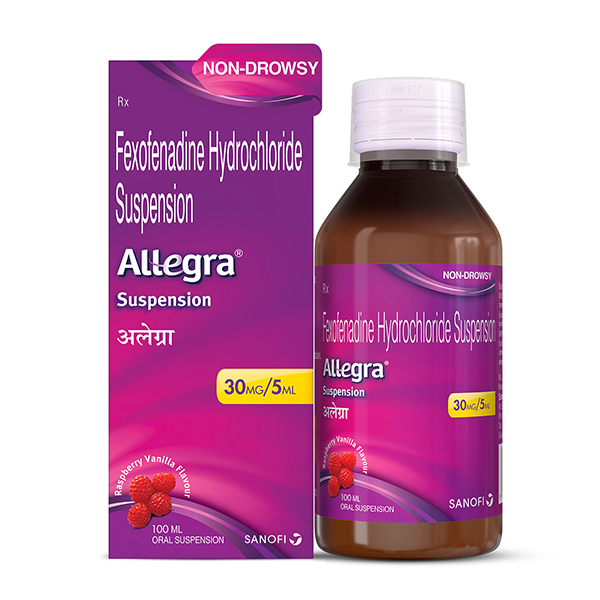
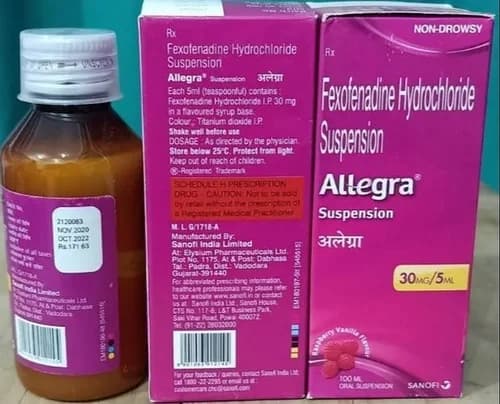
For seasonal/persistent allergic rhinitis (sneezing, runny nose, blocked nose, itchy eyes): a daily non-drowsy antihistamine. Cetirizine 10 mg, levocetirizine 5 mg, fexofenadine 120-180 mg (Allegra), loratadine 10 mg or desloratadine 5 mg — pick one and take it daily during the allergy season. Fexofenadine causes the least drowsiness. For nasal symptoms not controlled by an oral antihistamine, add an intranasal corticosteroid spray like fluticasone (Flonase, Fluticone), mometasone (Nasonex) or budesonide — they take 3-7 days to peak but are very effective for chronic allergic rhinitis. For itchy/watery eyes: an antihistamine eye drop like olopatadine (Patanol, Olopat). For hives (urticaria): the same antihistamines, often at double the standard dose (under doctor advice). For severe allergic asthma symptoms or eczema, montelukast (Montair, Singulair) is an add-on prescription option. For acute severe allergic reactions (swelling, breathlessness), an adrenaline auto-injector (EpiPen) is life-saving — anyone with known anaphylaxis should carry one.
Home remedies & lifestyle
Identify and avoid triggers — dust mite covers for mattresses and pillows, weekly hot-water wash of bedding, dehumidifying damp rooms, HEPA filters for severe indoor allergies. Saline nasal sprays or saltwater rinses (Neti pot, Sinus Rinse) clear allergens out of the nose — safe to use multiple times daily and surprisingly effective. Sunglasses on high-pollen days keep allergens out of the eyes. Shower and change clothes after returning home in high-pollen seasons. Local honey, neti pot rinses and quercetin supplements have some evidence in mild allergic rhinitis. Stay hydrated. Vitamin D deficiency worsens allergies for many people — a blood test and supplementation is worth considering.