Why sore throat happens
A sore throat is inflammation of the lining of the pharynx — usually caused by a viral infection (the same viruses that cause cold and flu), occasionally by Group A Streptococcus (strep throat — needs antibiotics) or rarely by Epstein-Barr virus (glandular fever). Non-infective causes include acid reflux, post-nasal drip, smoking, dry air, mouth-breathing at night and overuse of voice. Allergies, especially to dust and pollen, can also cause a chronic mild sore throat.
What helps — OTC options & advice
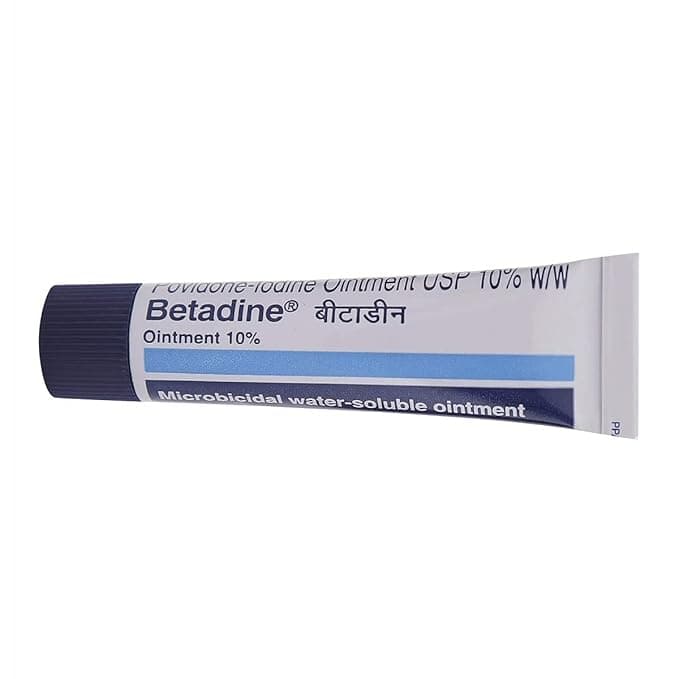
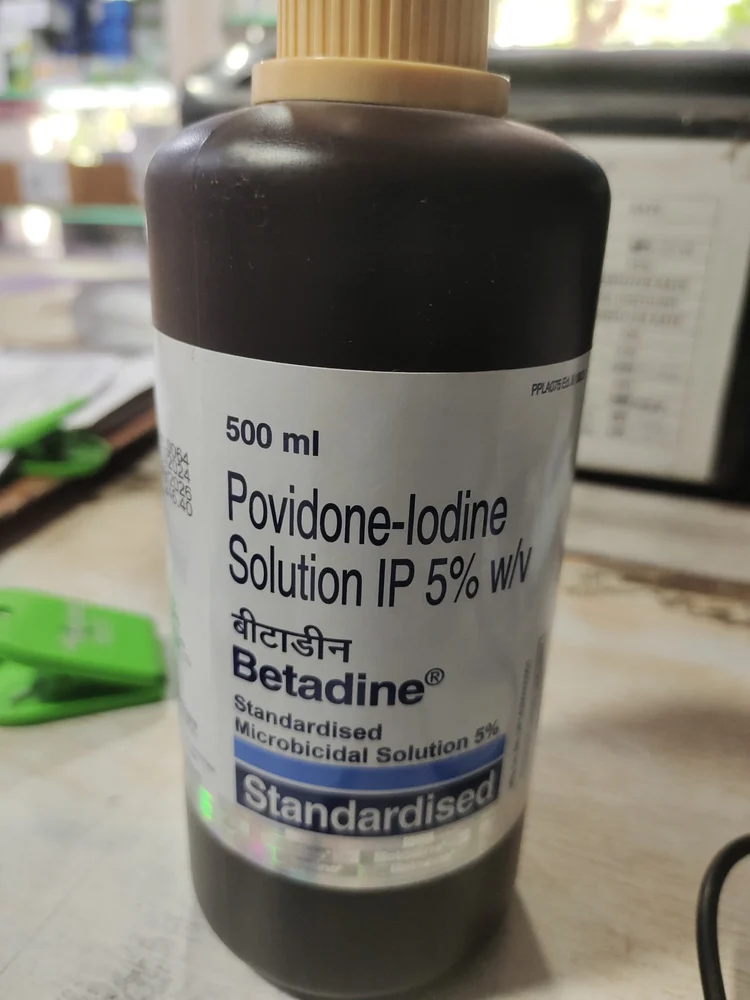
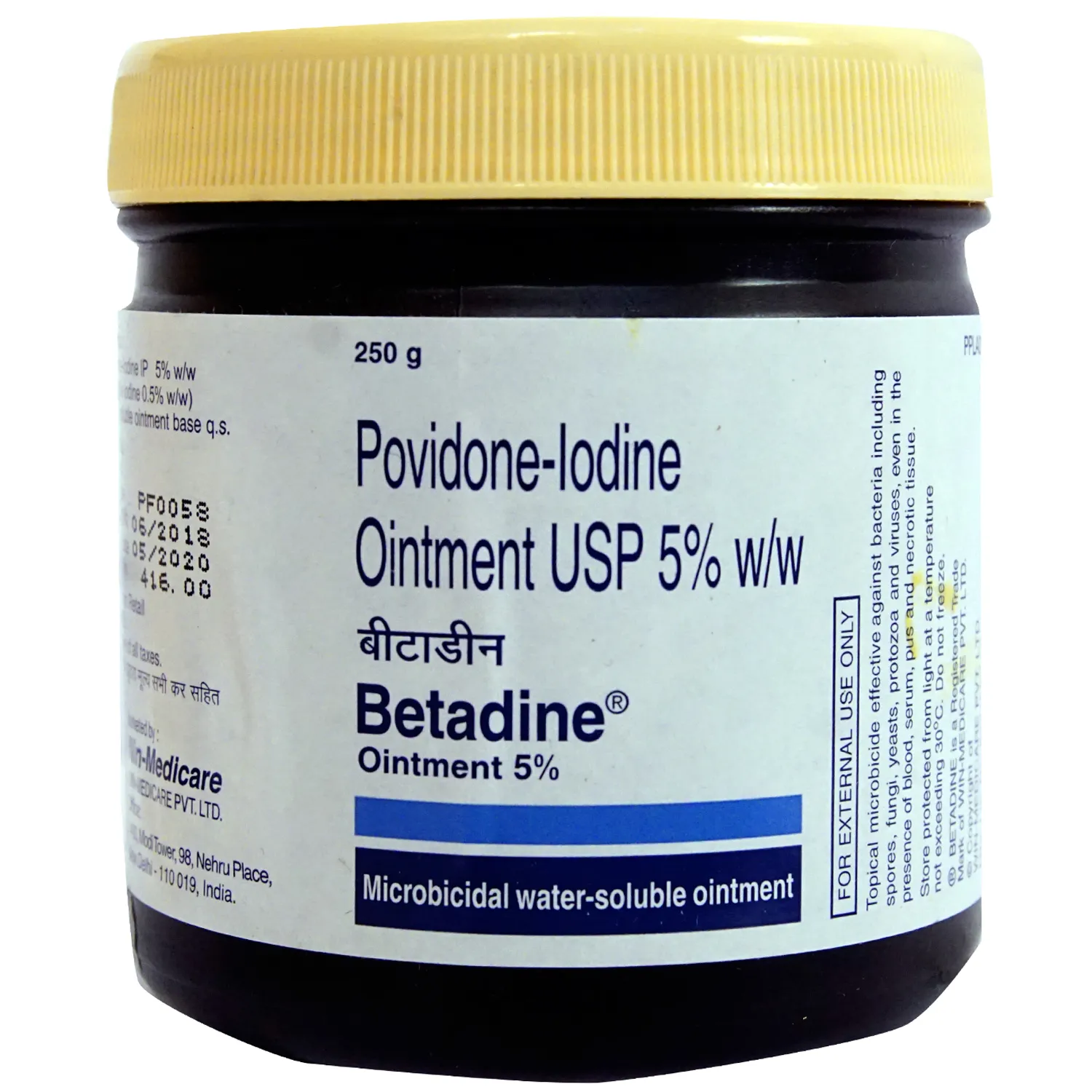
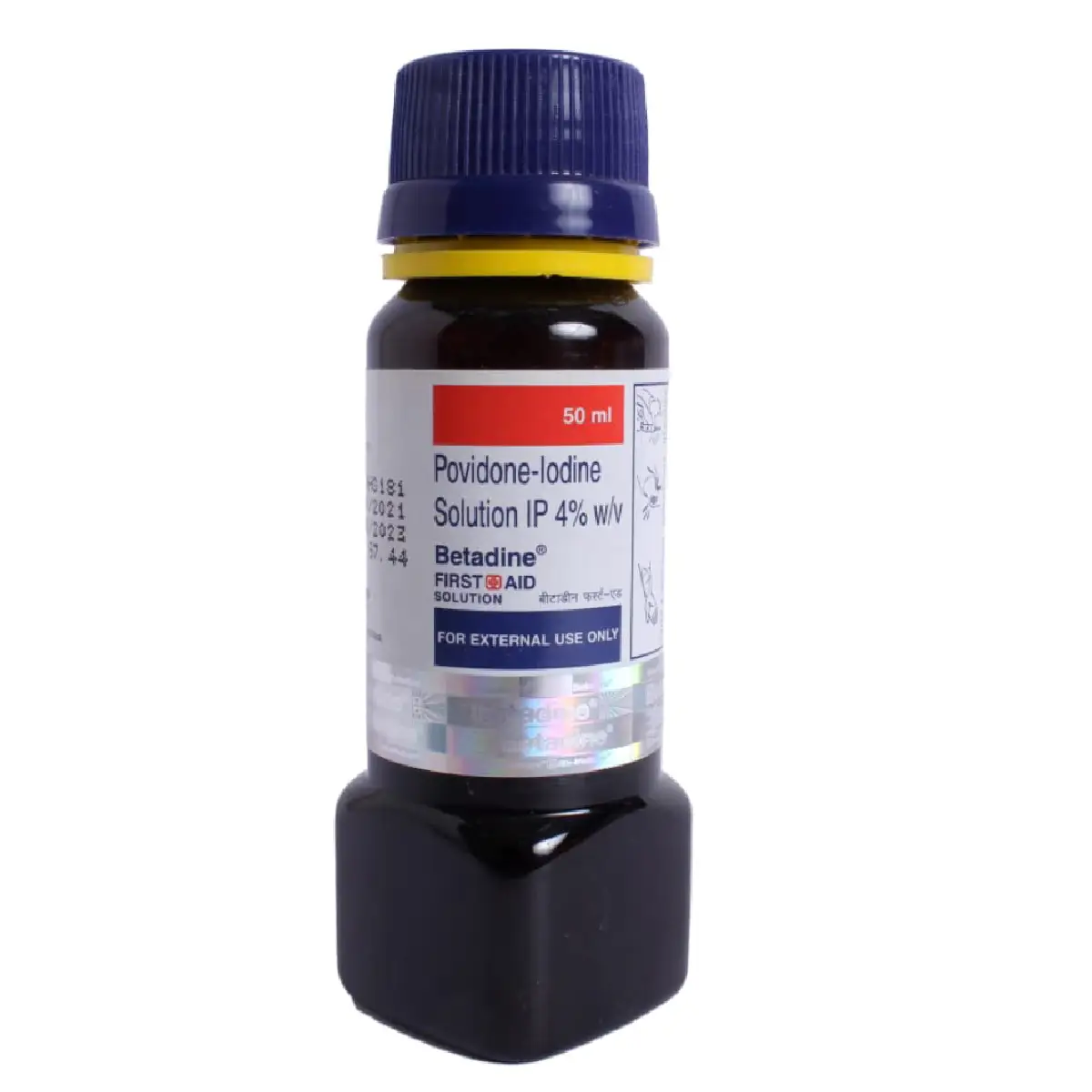
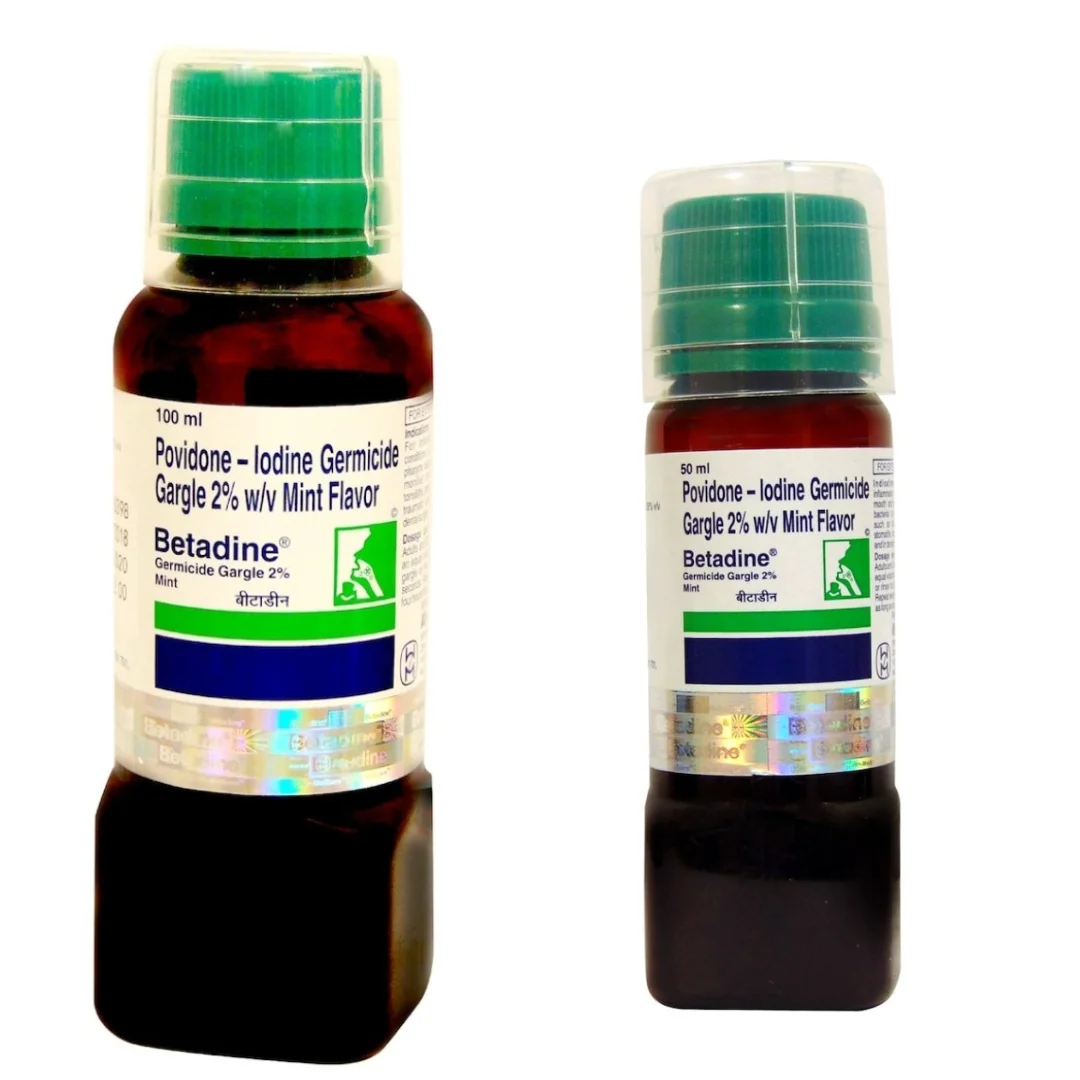
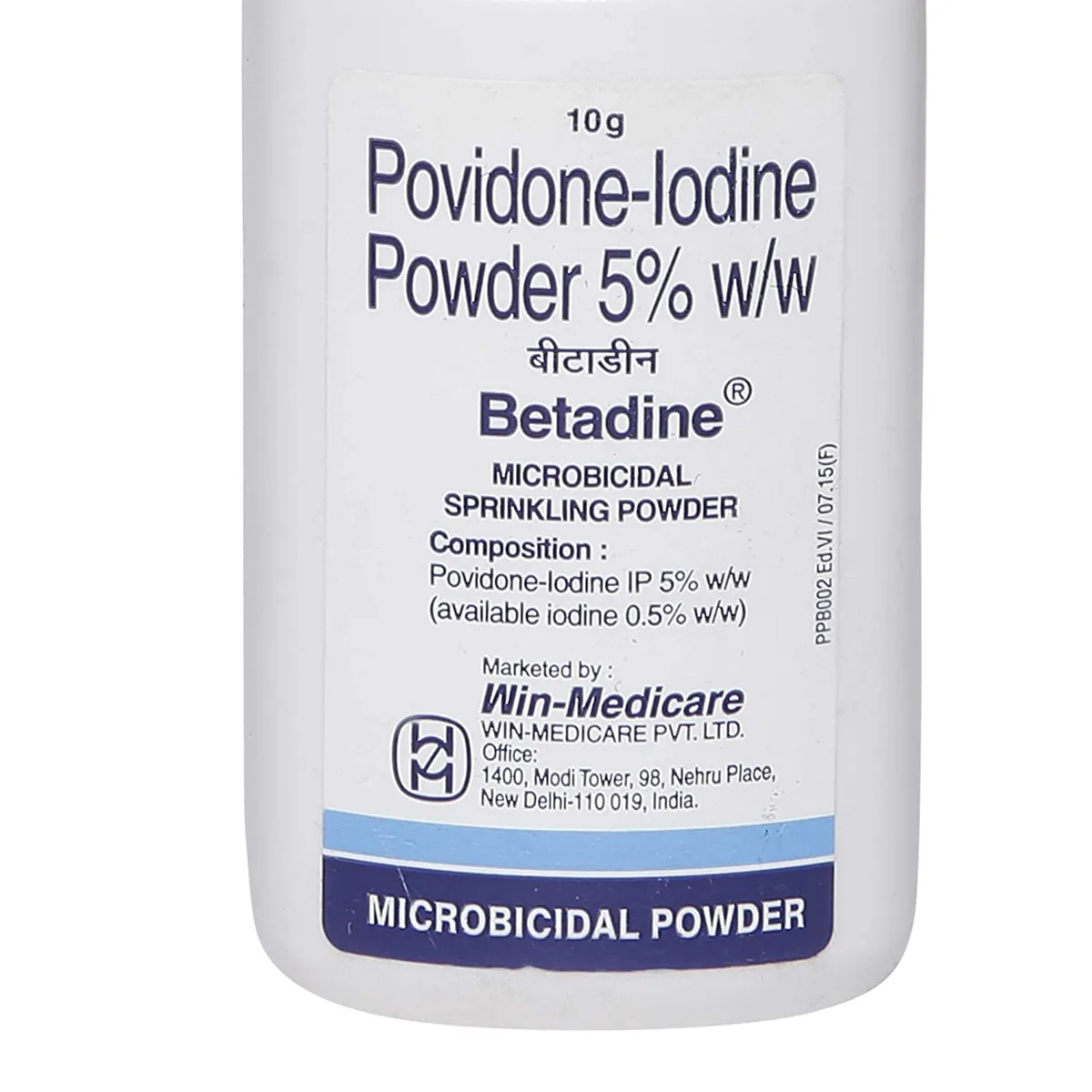
For viral sore throat: medicated lozenges (Strepsils, Vicks Action 500 lozenges, Cofsils) provide local anaesthesia and antiseptic action — they don't shorten the illness but make swallowing tolerable. Suck slowly; don't chew. Warm saltwater gargle (1 teaspoon salt in a glass of warm water) is equally effective and free — gargle 3-4 times a day. Povidone-iodine gargles (Betadine, Vidodine) have mild antiseptic action — useful early on. Paracetamol or ibuprofen takes the edge off pain and brings down any fever. Throat sprays like Vocalzone or Chloraseptic provide quick relief but wear off in 30-60 minutes. For bacterial strep throat (confirmed by a doctor or rapid test): a 10-day course of penicillin or amoxicillin clears it and prevents rare complications like rheumatic fever. Don't take antibiotics 'just in case' for a sore throat — most are viral, and antibiotics give you side effects without benefit.
Home remedies & lifestyle
Warm liquids — soup, herbal tea, honey-ginger-lemon — soothe the throat. Honey alone (1-2 teaspoons) coats and soothes the throat and has mild antibacterial action — trial-backed in children over 1 year. Steam inhalation 2-3 times daily reduces inflammation. Stay hydrated. Sleep with the head slightly elevated to reduce post-nasal drip irritation. Avoid smoking, alcohol, very spicy food, citrus juices and shouting/loud talking until better. A cool-mist humidifier in dry seasons helps. Throat-friendly Indian foods: warm dal, khichdi, rice porridge, mashed banana, plain yoghurt.