Why stress & anxiety happens
Stress is the body's response to a perceived demand or threat — useful in short bursts (the cortisol-and-adrenaline surge that helps you meet a deadline), harmful when chronic. Anxiety is the emotional and physical experience of worry, often without a clear external cause. Both run on the HPA axis (hypothalamus-pituitary-adrenal) and the sympathetic nervous system. Indians face a unique mix of stressors: high job competition, joint family dynamics, financial pressure, marriage expectations and limited mental-health infrastructure. Generalised Anxiety Disorder (GAD), Panic Disorder and Social Anxiety are recognised medical conditions, not personality flaws, and respond well to treatment.
What helps — OTC options & advice
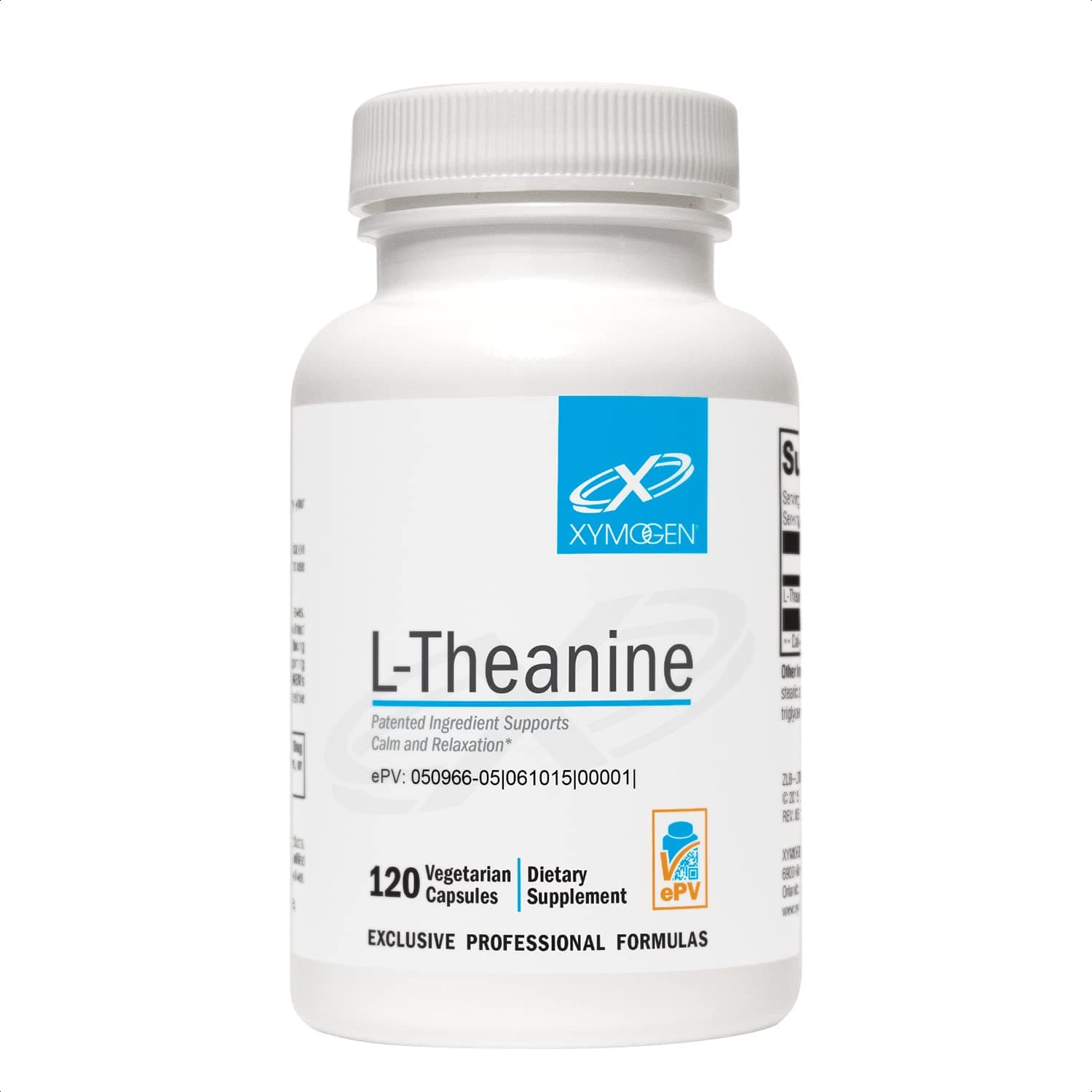
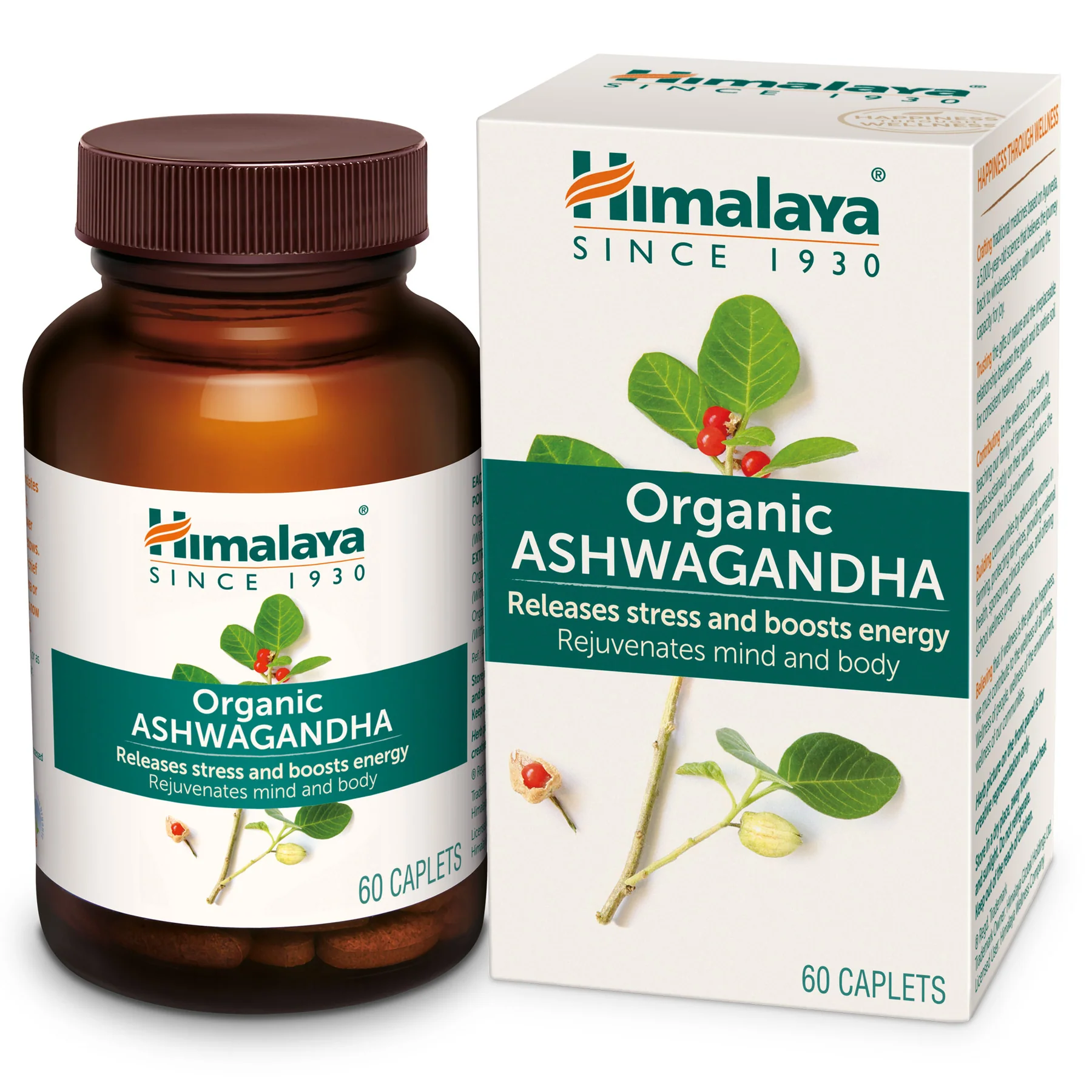
First, the non-pharmaceutical playbook: 7-8 hours of sleep, 30 minutes of daily movement, time outdoors, reducing caffeine to 1-2 cups daily, limiting alcohol, structuring work-life boundaries, talking to someone you trust, and ideally a therapist or counsellor for any chronic anxiety. Cognitive Behavioural Therapy (CBT) is the most evidence-backed treatment for anxiety disorders — apps like Wysa or YourDost, or a clinical psychologist, can deliver this. Supplements with reasonable evidence: ashwagandha (300-600 mg/day for 8-12 weeks), L-theanine (200-400 mg), magnesium (200-400 mg), omega-3 fatty acids and adequate vitamin D. Prescription medicines (SSRIs like sertraline, escitalopram; SNRIs like venlafaxine) are the standard first-line for moderate-severe anxiety disorders — they take 4-6 weeks to work and need to be started, adjusted and stopped under psychiatric supervision. Benzodiazepines like alprazolam (Alprax), clonazepam (Lonazep), lorazepam are powerful and fast-acting but habit-forming — they're reserved for short-term, situational use (a panic attack, a flight, a brief crisis). Never start or escalate them on your own.
Home remedies & lifestyle
Breathing techniques like 4-7-8 breathing (inhale 4, hold 7, exhale 8) physically lower your sympathetic nervous system activity in 1-2 minutes. Brahmari (humming-bee) and Anulom-Vilom pranayama have decades of clinical use. Yoga, particularly poses that open the chest and slow breathing, lowers cortisol over weeks. Journaling helps — 5 minutes a night writing down what's on your mind reduces ruminative thinking. Limit social media (especially before bed and first thing in the morning) — it amplifies anxiety. Talk to people; isolation worsens everything. Caffeine intolerance often shows up as anxiety — try cutting it for a week. Spend time in nature; even a 30-minute walk in a park measurably lowers stress markers.