Why sleep problems & insomnia happens
Sleep is regulated by two systems: circadian rhythm (your internal clock, set by light exposure and routine) and sleep pressure (the urge to sleep, which builds over the day). Insomnia happens when these systems get out of sync — late-night screen time delays melatonin release, irregular bed/wake times confuse the circadian clock, caffeine or stress keeps you wired. Anxiety, depression, chronic pain, restless leg syndrome, sleep apnoea (often undiagnosed), thyroid issues and certain medicines (corticosteroids, some antidepressants, decongestants) are common medical causes. Shift work and jet lag cause specific patterns of insomnia.
What helps — OTC options & advice
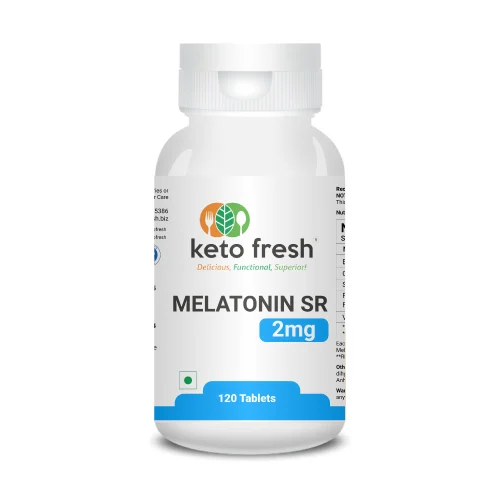
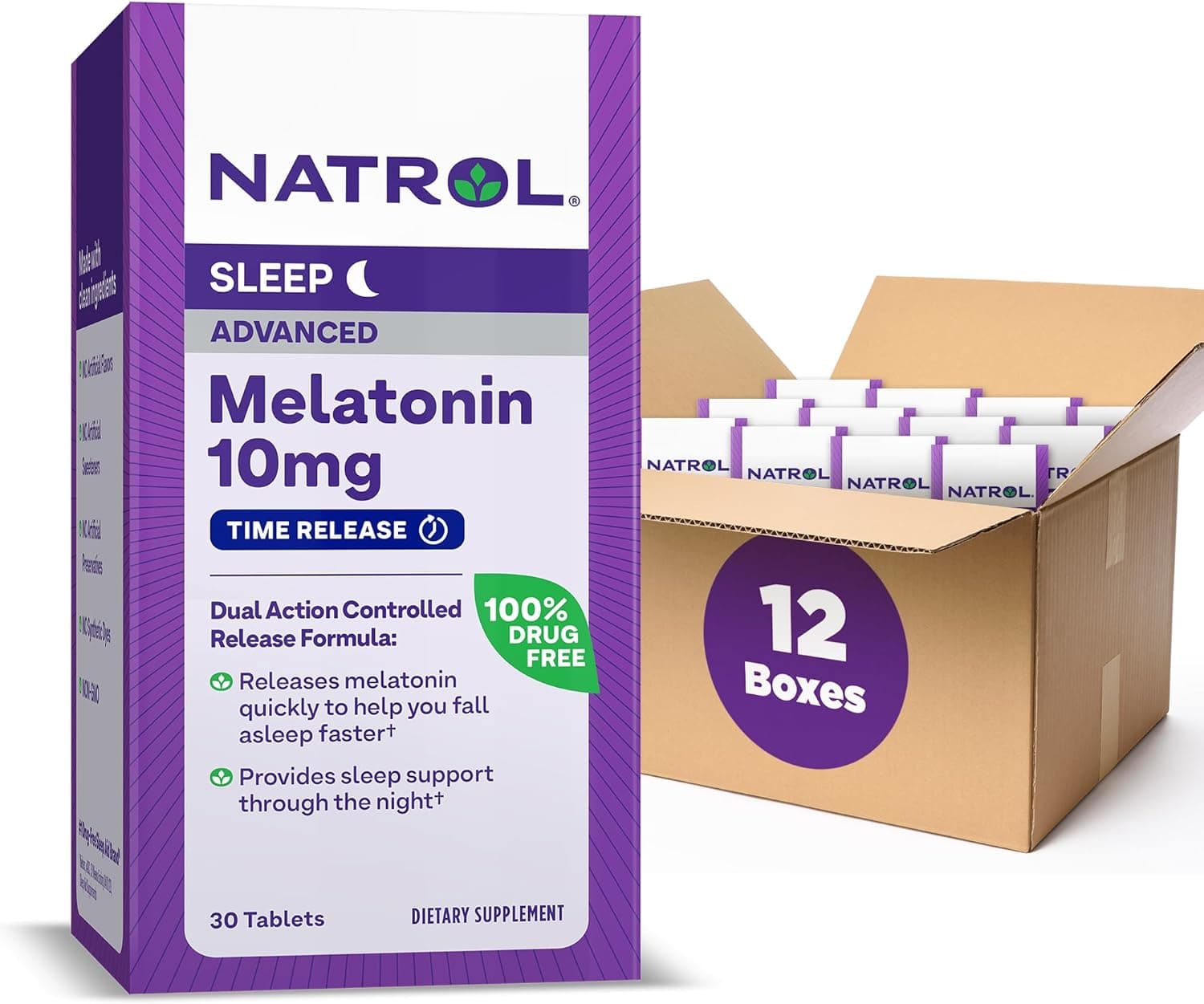
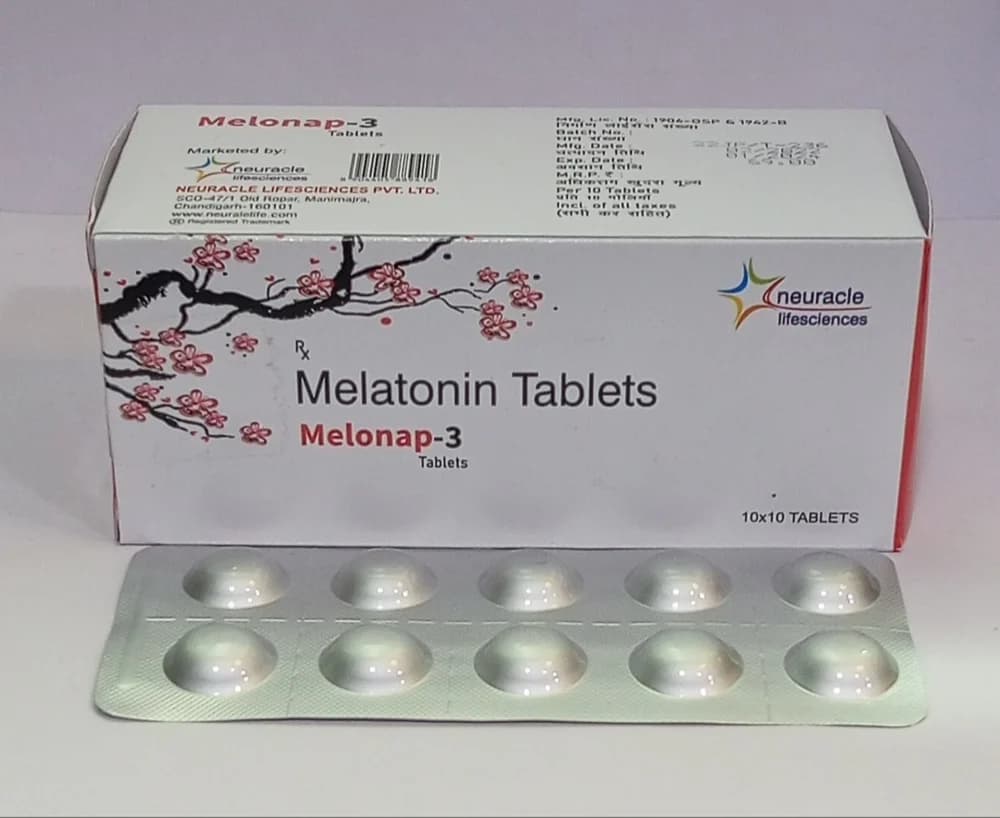
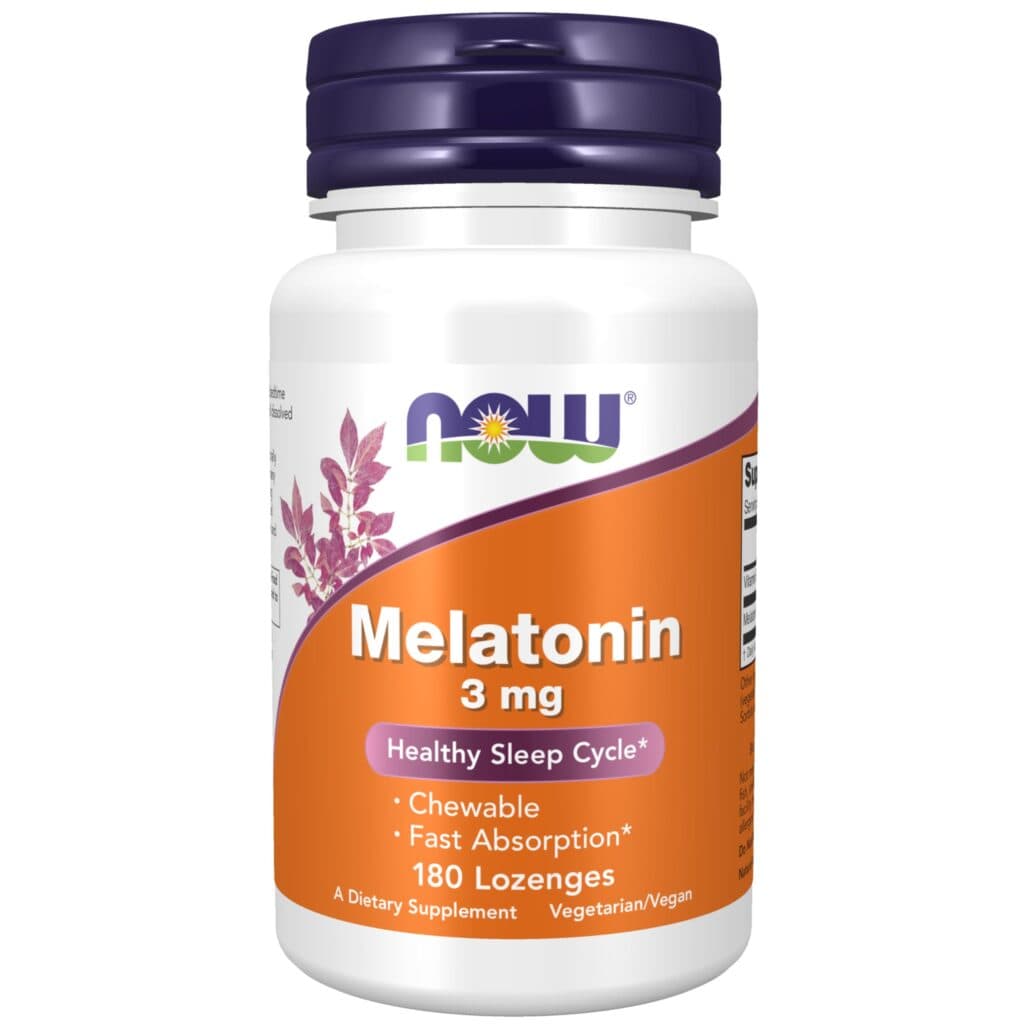
Start with sleep hygiene (covered below) — it sounds basic but underpins everything. For occasional sleep difficulty: melatonin 3-5 mg taken 30-60 minutes before bed helps you fall asleep faster. It's not habit-forming and is sold OTC in India (Restilo, Sleep Aid, Lupisleep). Doxylamine (Restyl-D, Restylin) is a sedating antihistamine that works as an OTC sleep aid — useful for 3-5 nights at a time, not daily. Herbal options like valerian root, ashwagandha and chamomile have some evidence — gentler than pharmaceuticals but variable potency. Prescription sleeping pills (Zolpidem/Zolfresh, Zopiclone, benzodiazepines like Alprax) work powerfully but are habit-forming and reserved for short-term use under doctor supervision. They're regulated medicines and not for casual self-medication. For chronic insomnia, Cognitive Behavioural Therapy for Insomnia (CBT-I) is more effective than tablets long-term — apps like Sleepio, or a clinical psychologist, can deliver this.
Home remedies & lifestyle
The non-negotiables of sleep hygiene: wake up at the same time every day (this is the single biggest lever), get morning sunlight within 30 minutes of waking, dim lights and screens 1-2 hours before bed, no caffeine after 2 PM, no large meals or alcohol within 3 hours of bed, keep the bedroom cool (18-22°C), dark and quiet, use the bed only for sleep, get out of bed if you've been awake more than 20 minutes. A consistent wind-down routine helps — warm shower, light reading, gentle stretching, meditation. Exercise during the day (not within 2 hours of bed) improves sleep quality. Yoga nidra and pranayama (specifically Brahmari and Anulom-Vilom) have decent evidence for insomnia.