Medically reviewed by Dr. Balaji Krishnan, MBBS · Updated September 2026
How to choose
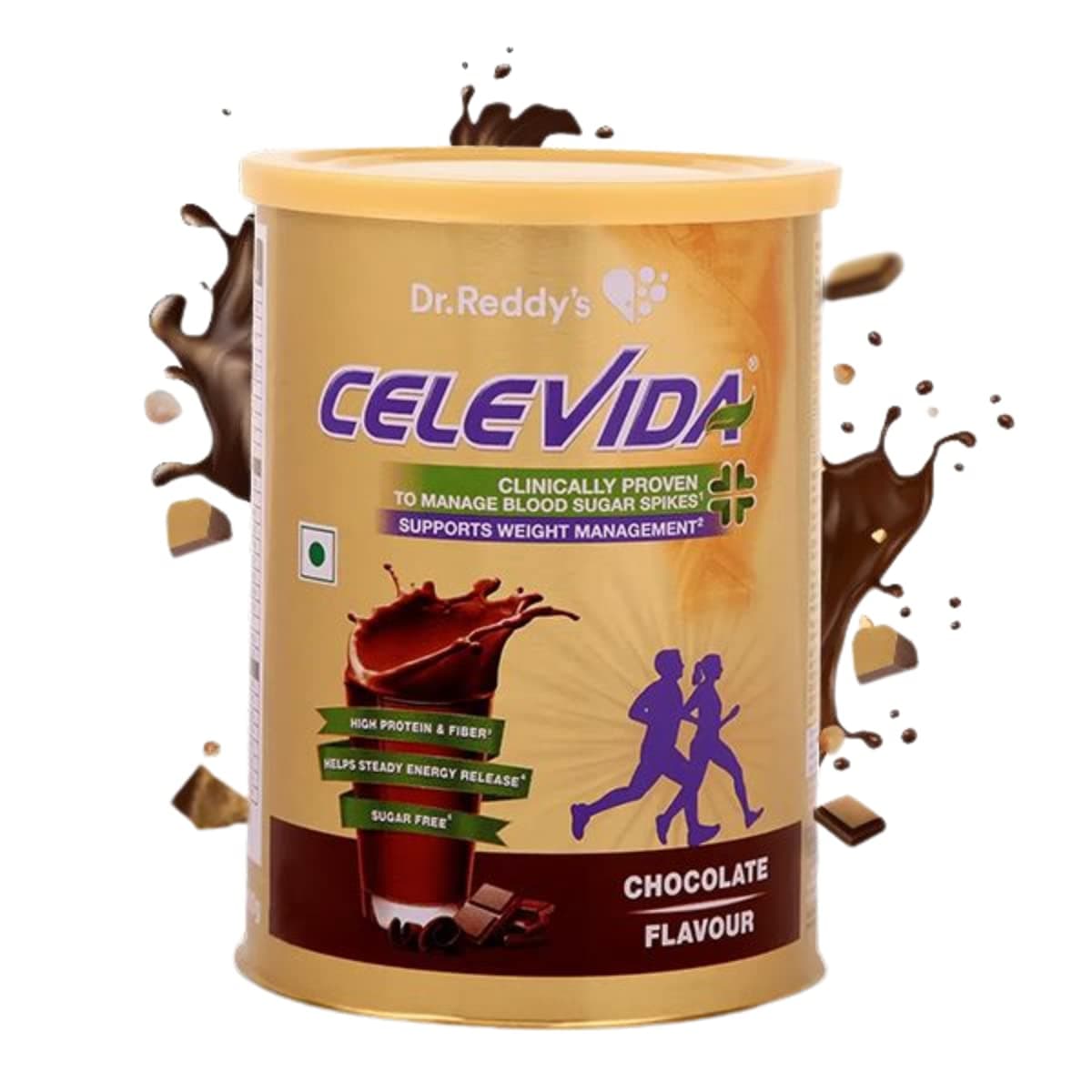
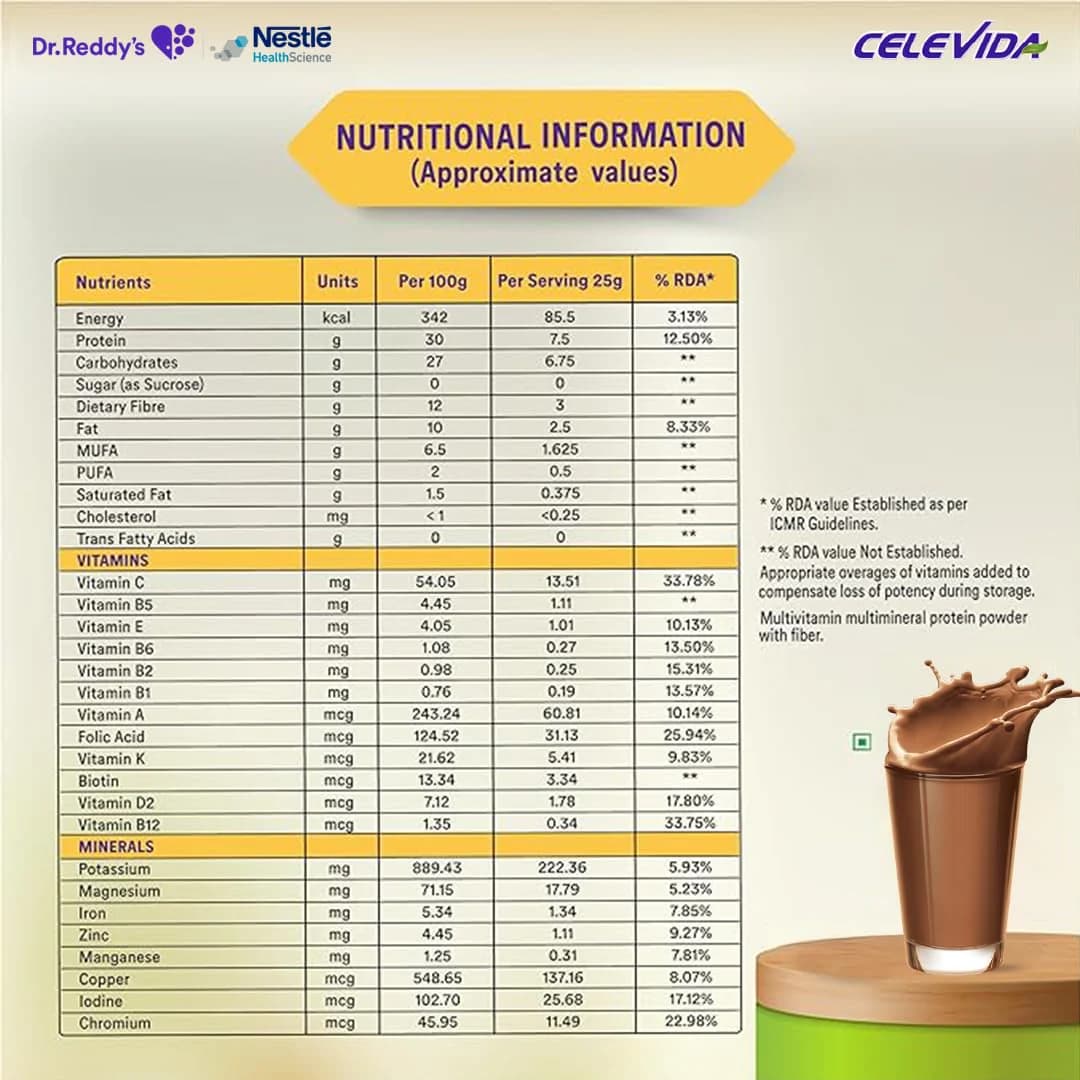
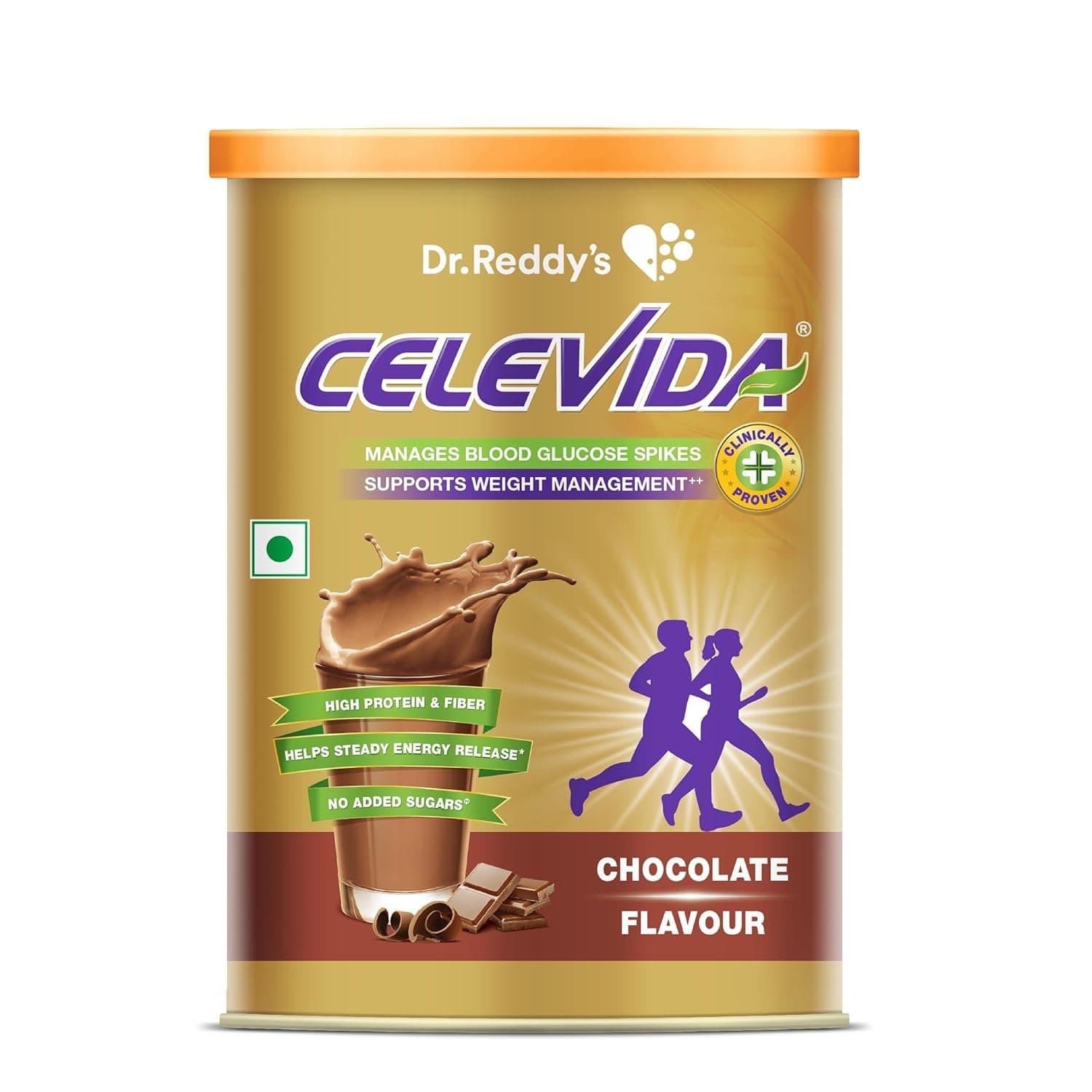
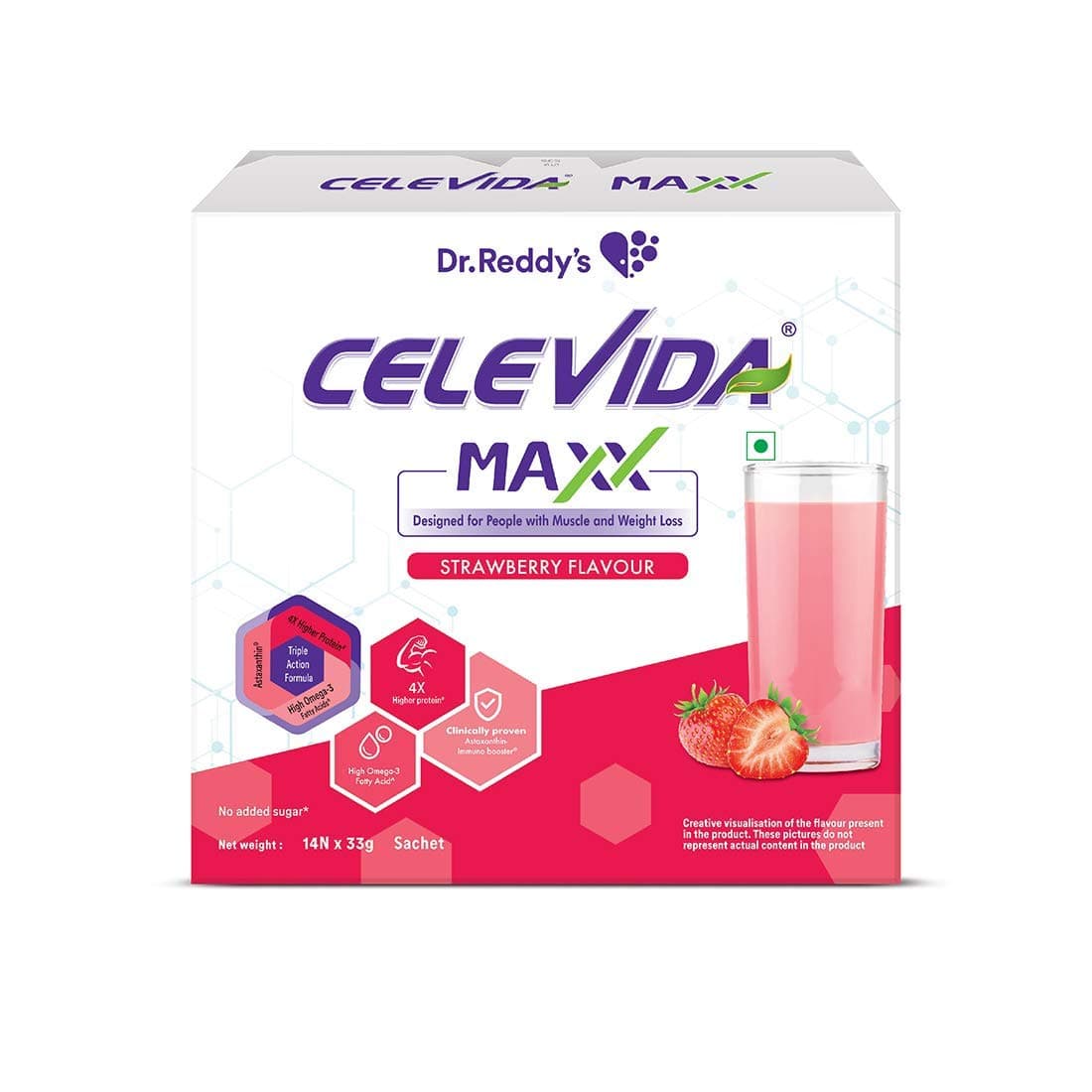
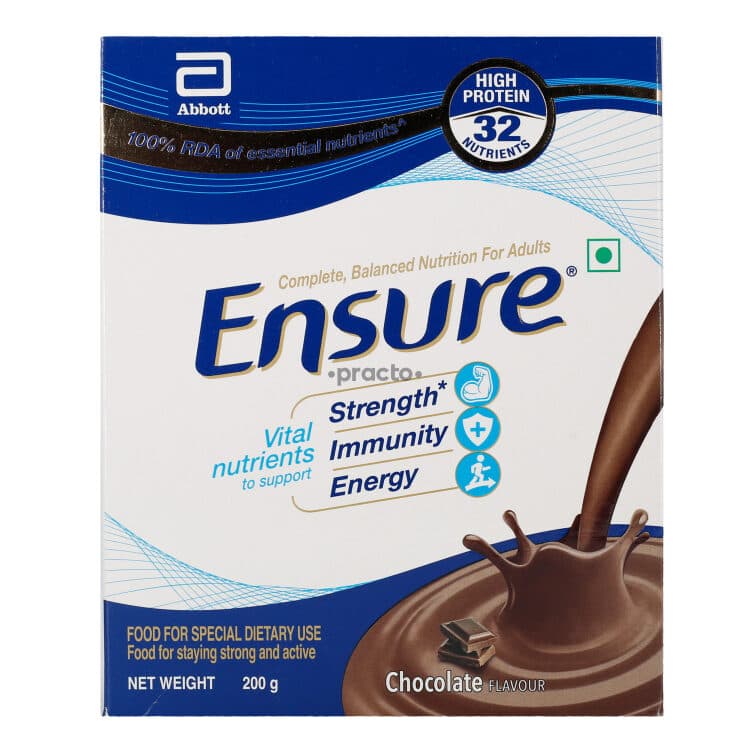
Protein per serving is the first number to read — aim for supplements that deliver 7-10 g per scoop-serving and a daily total (food + supplement) near 1-1.2 g per kg body weight for healthy seniors. Balanced nutrition powders (Ensure, Prohance) add vitamins, minerals and calories — right for seniors losing weight or eating poorly. High-protein variants (Prohance HP, Resource High Protein) skew the ratio toward muscle support — right when appetite is fine but strength is fading. Diabetic seniors need the sugar-conscious formulas (Celevida, Ensure Diabetes Care, Prohance D) — standard powders are frankly sweet. Kidney disease changes everything: protein targets flip downward, so no high-protein supplement without the treating doctor's approval (renal-specific formulas exist). Taste decides adherence — vanilla and chocolate survive daily use; buy small first. And pair it with resistance: protein without any muscle work (walks, sit-to-stand repeats, light bands) builds far less.
Who really needs this
Seniors losing weight without trying, recovering from surgery, fracture or hospital stays, eating noticeably less than before, or visibly losing grip and stair strength. Vegetarian seniors, whose protein density is hardest to achieve from food alone. Diabetic seniors — via the diabetic formulas only. Check with the doctor first if there's kidney disease, fluid restriction (heart failure), or swallowing difficulty. A supplement is an addition to meals, never a replacement for them.