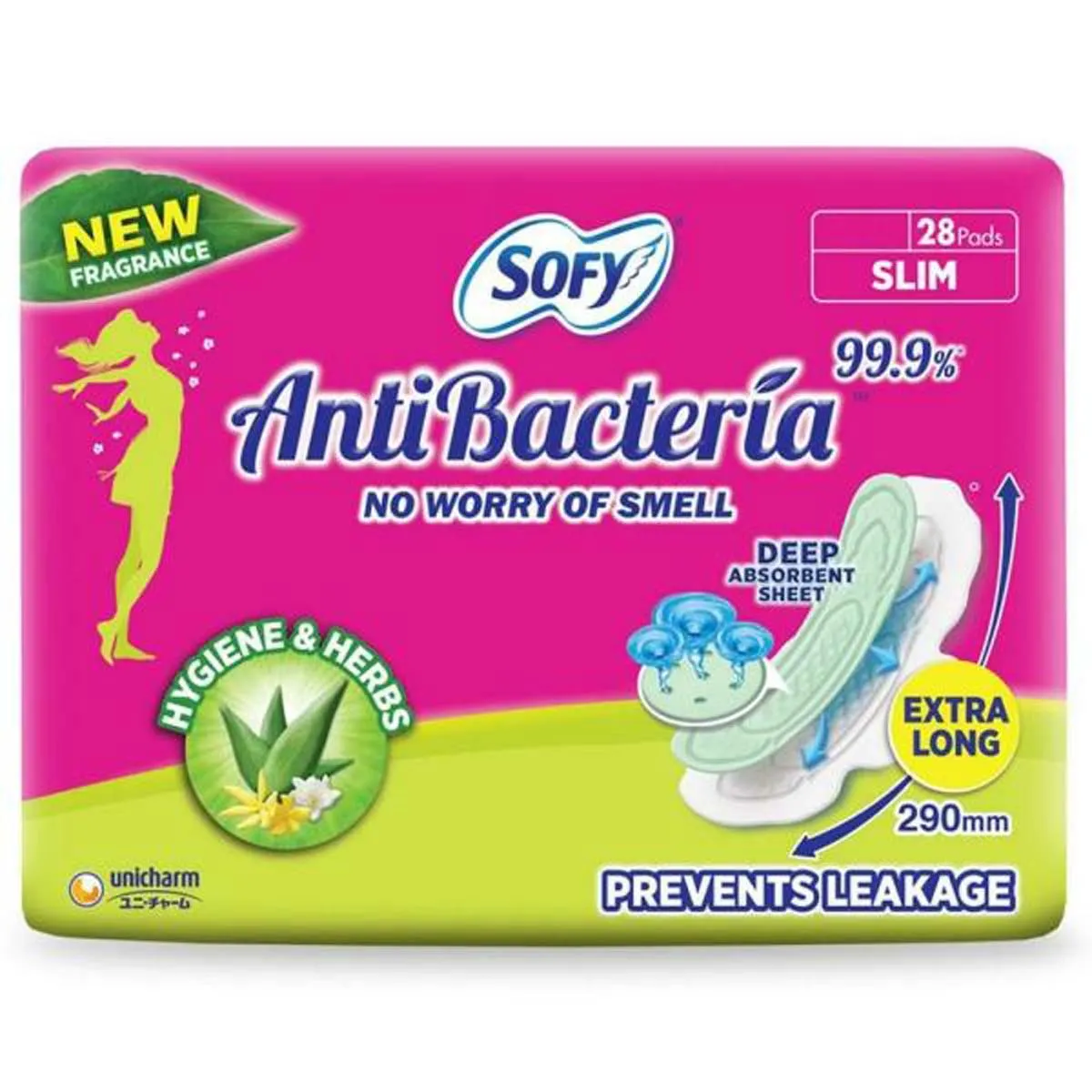
Why period pain (dysmenorrhoea) happens
During a period, the uterus contracts to shed its lining. Those contractions are driven by prostaglandins — chemicals that also cause inflammation and amplify pain. Higher prostaglandin levels mean worse cramps, which is why anti-prostaglandin drugs (NSAIDs) are the most effective treatment. Pain that started in your teens and has been roughly the same is usually primary dysmenorrhoea (no underlying disease). Pain that worsened over years, started later in life, or comes with very heavy bleeding can be secondary dysmenorrhoea — most often endometriosis, adenomyosis, fibroids or PID, all of which benefit from specific treatment.
What helps — OTC options & advice
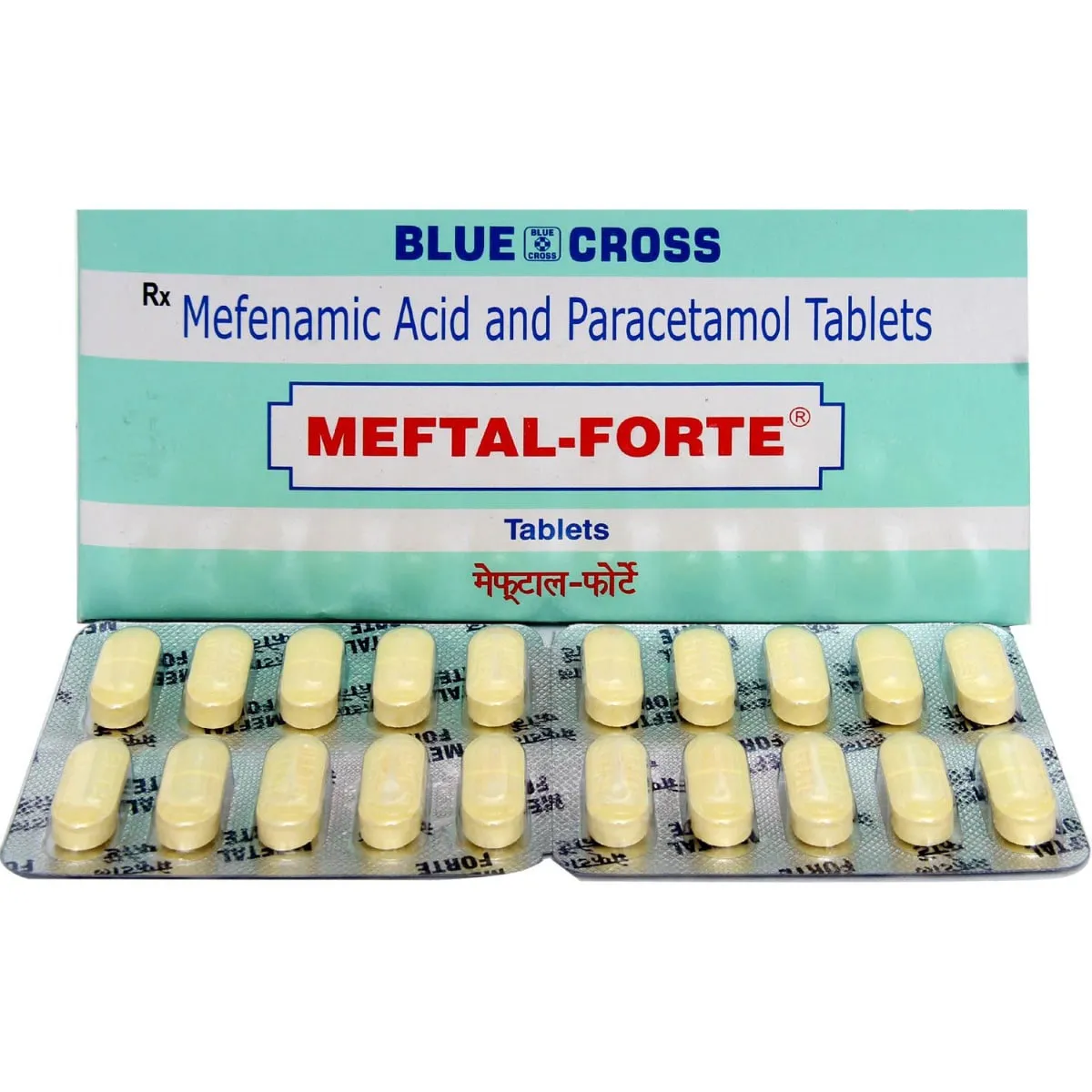
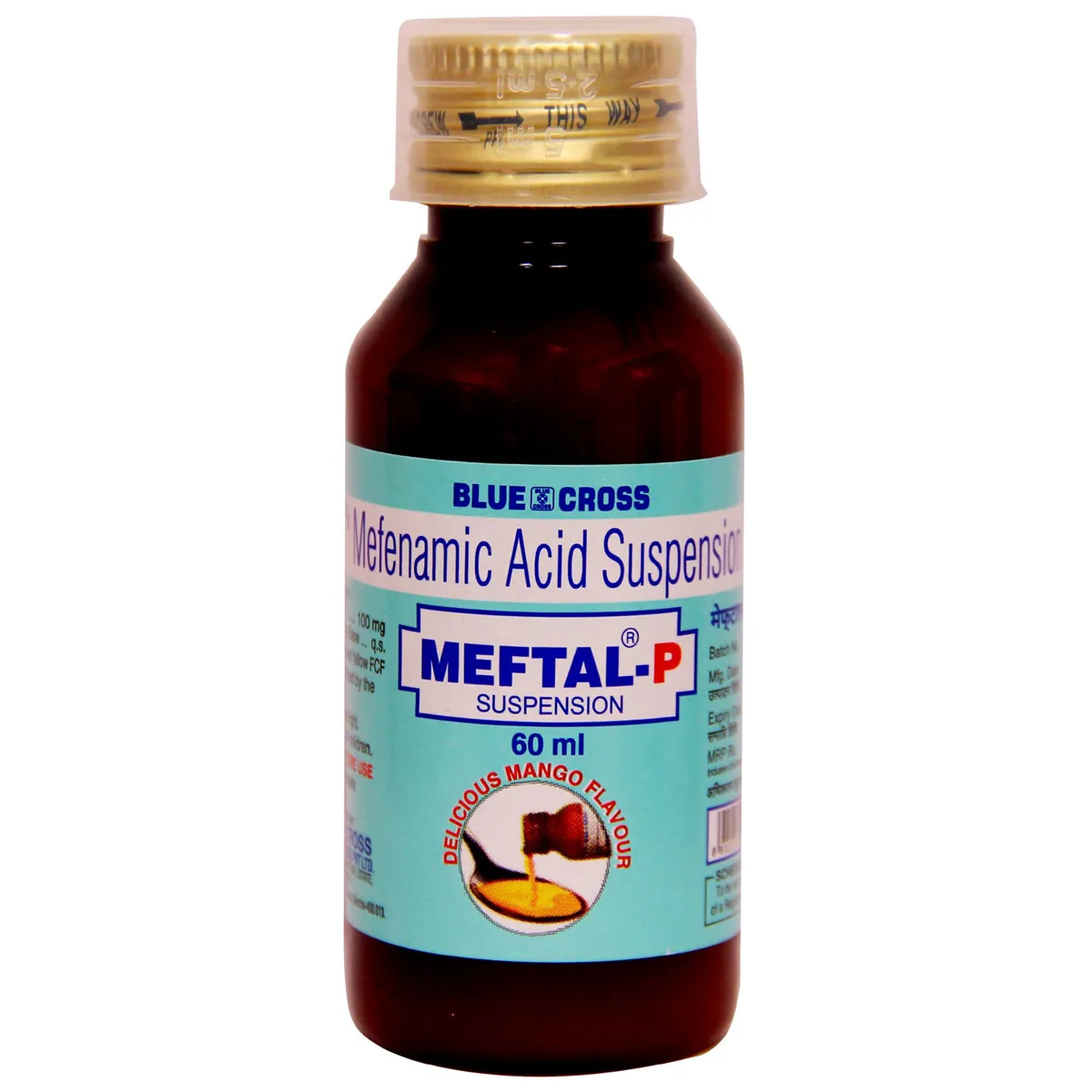
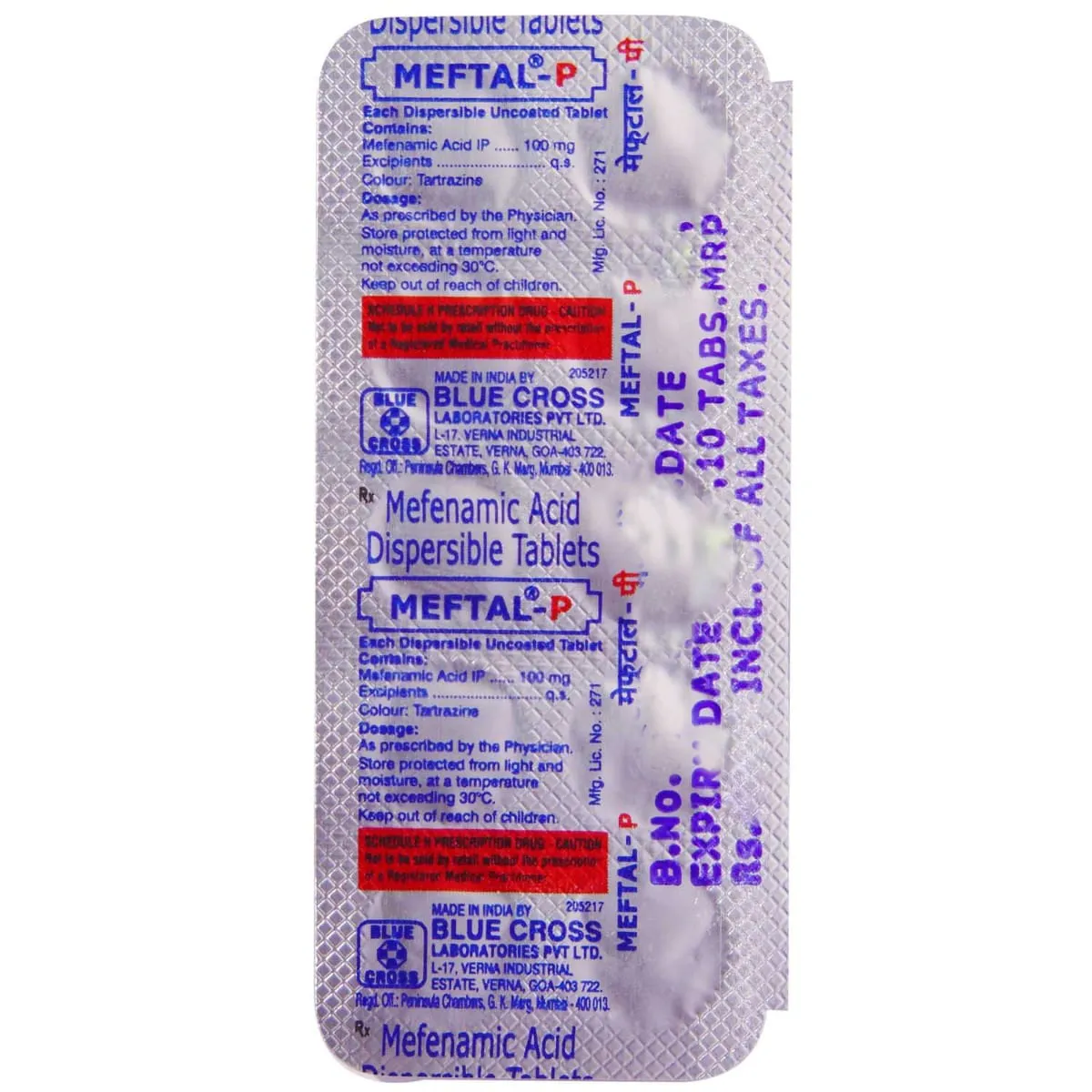
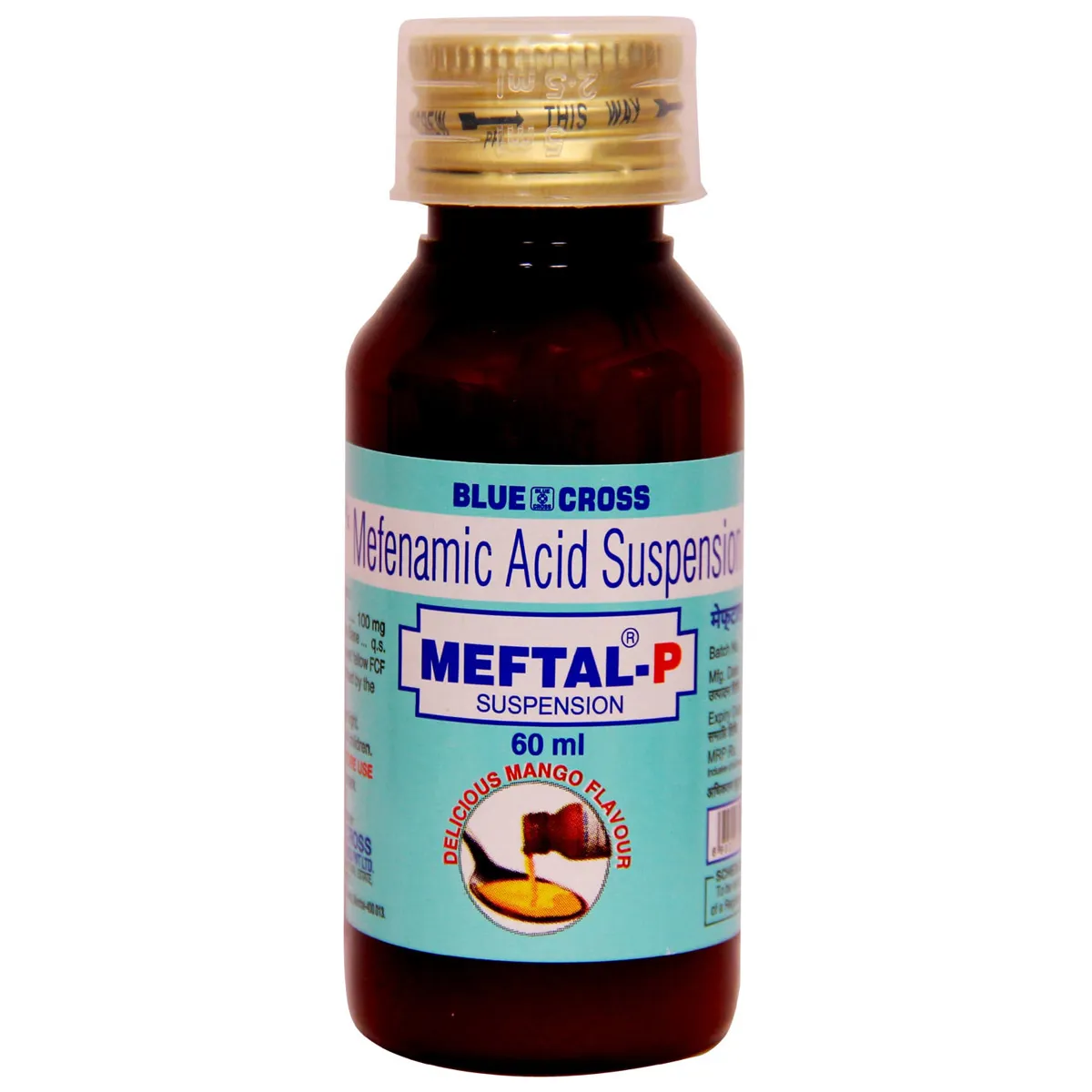
Take an NSAID at the first sign of cramps — ideally before the pain becomes severe. Ibuprofen 400 mg every 6-8 hours, naproxen 250-500 mg every 12 hours, or mefenamic acid (Meftal-Spas, Spasmonil) 500 mg every 8 hours. Mefenamic acid combined with the antispasmodic dicyclomine (Meftal-Spas) is the classic Indian period-pain tablet. Drotaverine (Drotin) is another antispasmodic that works on the uterine muscle directly. For most women, an NSAID started early is more effective than paracetamol. Hormonal contraceptive pills (OCPs) reduce period pain by suppressing ovulation and thinning the uterine lining — a good option for women who also want contraception or have unpredictable cycles. A levonorgestrel IUD does the same thing more strongly with no daily tablet. Avoid taking NSAIDs every month without water and food — they can cause stomach ulcers and kidney strain over time. Don't combine multiple painkillers without medical advice.
Home remedies & lifestyle
A hot water bottle or heat patch on the lower abdomen is genuinely effective — multiple trials confirm it reduces pain as much as ibuprofen for some women. Gentle exercise (walking, yoga) on period days reduces cramping, contrary to the urge to lie still. Specific yoga poses — child's pose, cobra, butterfly — help. Magnesium-rich foods (dark chocolate, nuts, leafy greens) and omega-3 fats (fish, flaxseeds, walnuts) reduce cramp severity over months when eaten consistently. Cinnamon tea, ginger tea and turmeric milk have decent evidence for period-pain relief. Reduce caffeine, alcohol and salty food in the few days before and during the period — they worsen bloating and cramping.


![Preg Test Card [pregakem Card]](/_next/image?url=https%3A%2F%2Fmpvappfddarnayczatim.supabase.co%2Fstorage%2Fv1%2Fobject%2Fpublic%2Fproduct-images%2Fpharmacy%2Fpreg-test-card-pregakem-card-rm6ef3102c.webp&w=3840&q=75)