Medically reviewed by Dr. Balaji Krishnan, MBBS · Updated September 2026
How to choose
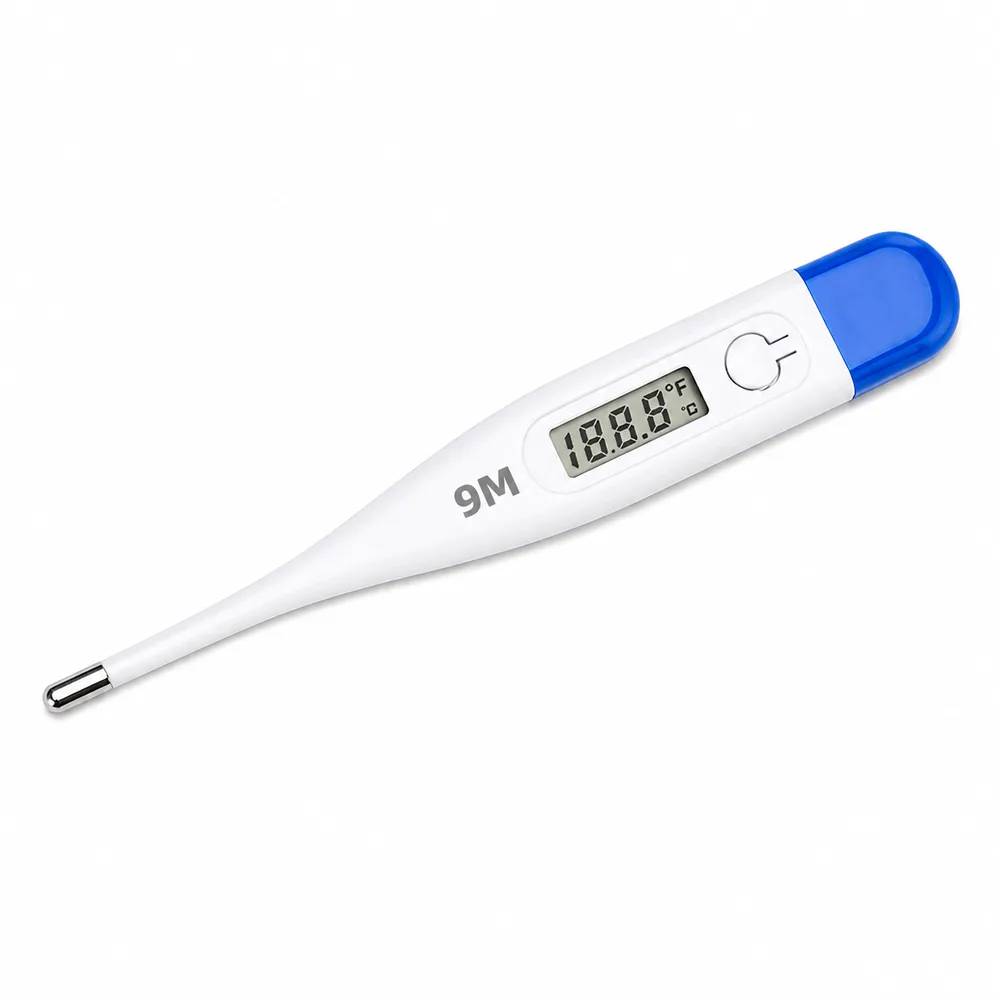
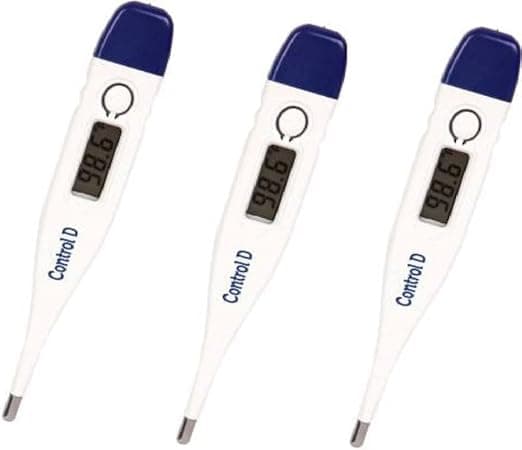
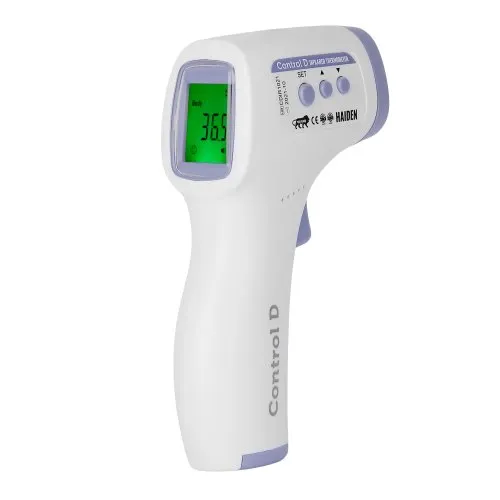
Digital stick thermometers are the accuracy benchmark for home use — cheap, reliable, and readable in about 30-60 seconds under the tongue or in the armpit. Buy one with a flexible tip for children (rigid tips and wriggling toddlers don't mix), a beeper, and last-reading memory. Non-contact infrared thermometers trade a little accuracy for enormous convenience: a one-second forehead sweep that doesn't wake a sleeping child — the reason parents love them. Their readings drift with sweat, AC air and distance, so treat them as excellent screeners and confirm any surprising number with the stick. The ideal home setup is both: infrared for quick checks, digital stick for the number you'd report to a doctor. Whichever you buy: armpit readings run about 0.5°C lower than oral — mention the site when telling the doctor. Fever in adults = 100.4°F (38°C) and above.
Who really needs this
Every household — a working thermometer is the most basic triage tool there is. Homes with young children benefit most from the infrared + flexible-stick combination. Elderly households should note that serious infection in older adults can come WITHOUT much fever — a normal reading with confusion, drowsiness or breathlessness still deserves a doctor. And any infant under 3 months with 100.4°F (38°C) or more is an emergency-room visit, not a wait-and-watch.