Medically reviewed by Dr. Balaji Krishnan, MBBS · Updated September 2026
How to choose
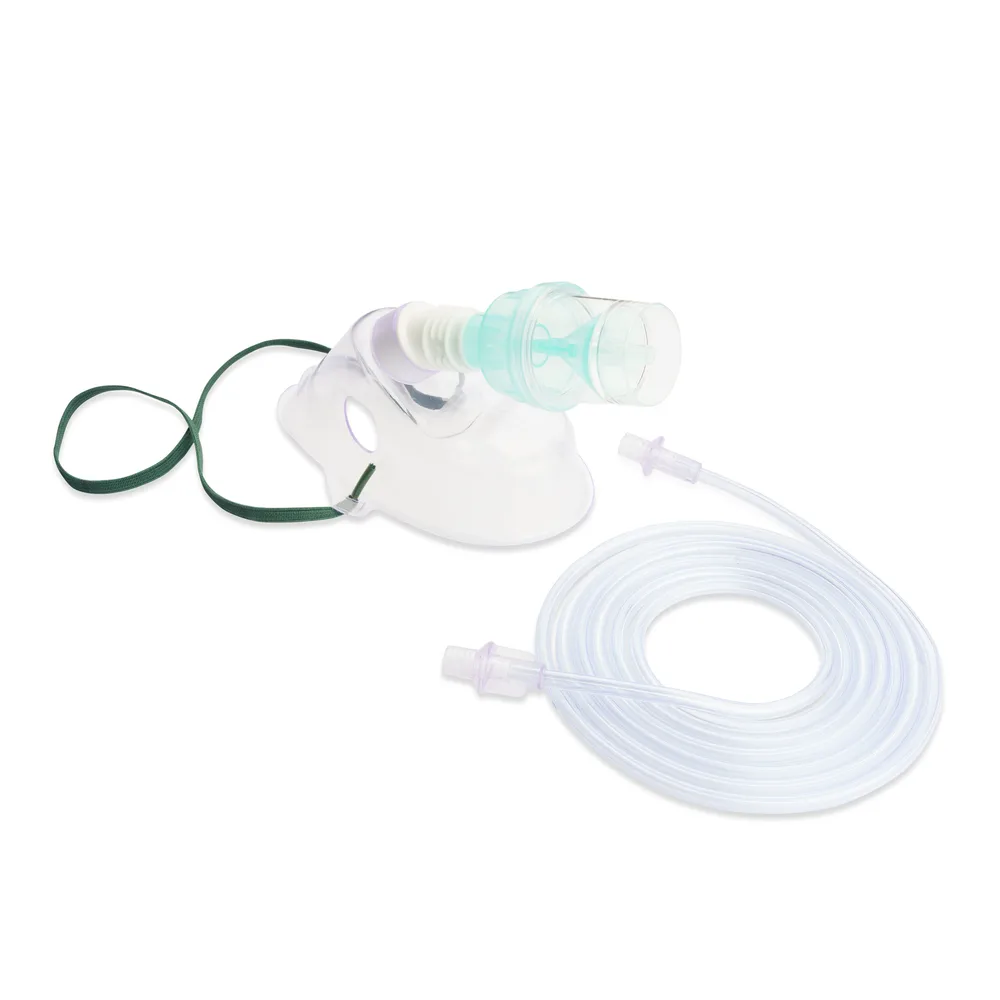
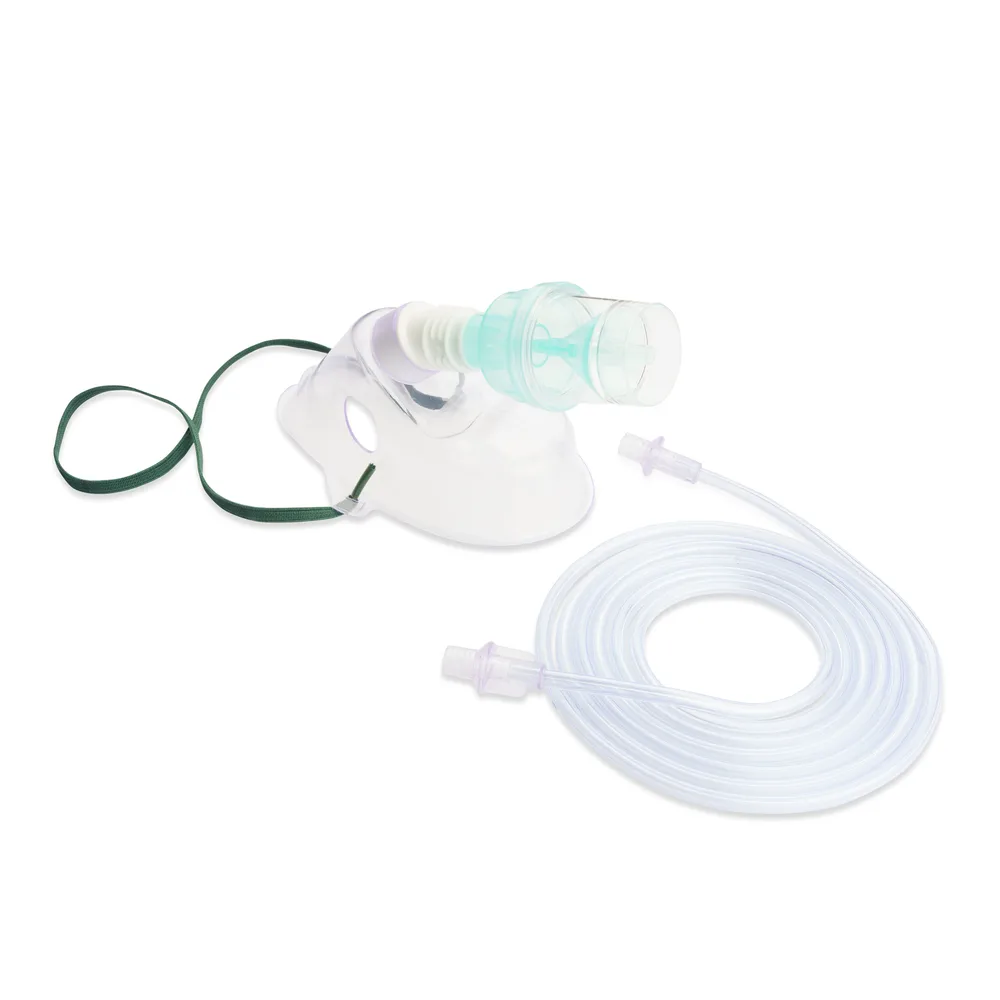
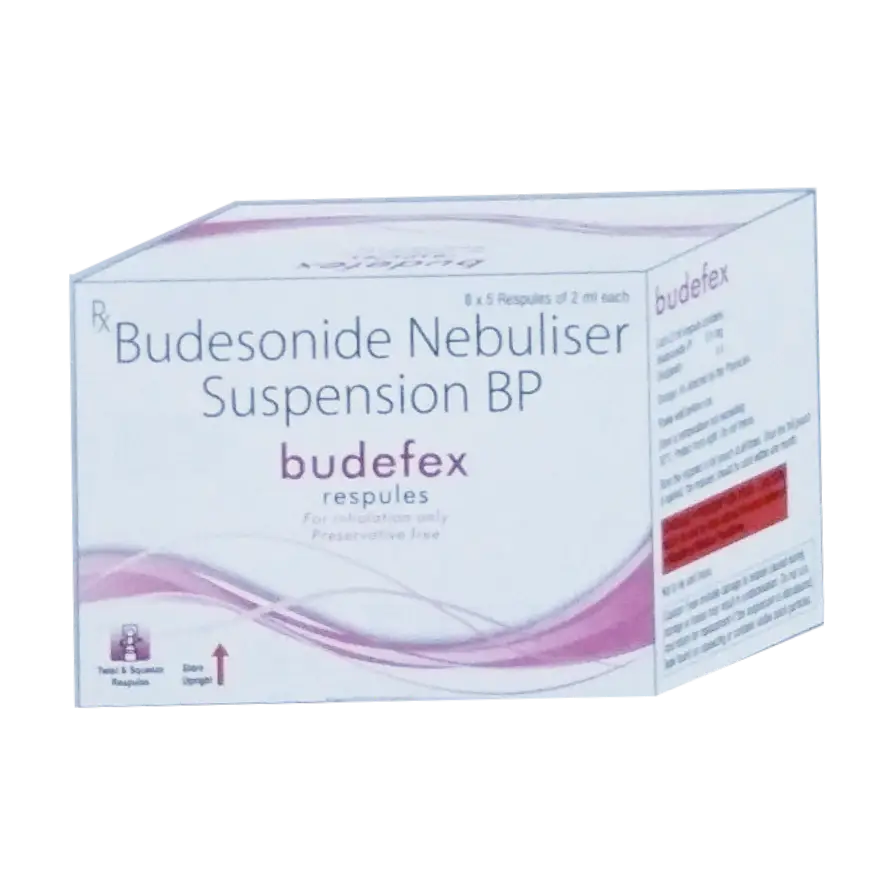
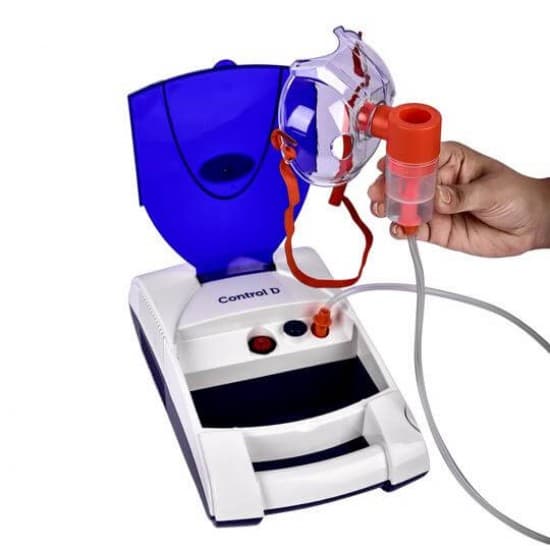
Compressor (piston) nebulizers are the home standard — robust, repairable, and compatible with every prescribed respule; that's what the picks below are. Check what's in the box: an adult mask, a CHILD mask (the size seal decides whether medicine reaches lungs or leaks around cheeks), tubing and a medicine chamber — child-kit accessories are sold separately if your unit lacks one. Noise matters with children; newer compact units run quieter, and a scared toddler fights the mask either way — practice on a teddy first. Particle size (MMAD around 2-5 microns) is standard across reputable brands. Aftercare beats specs: chambers and masks need a rinse after every use and weekly deep cleaning, and both are consumables — replace chambers every few months of regular use. The medicine side is the doctor's: bronchodilator and steroid respules are prescription treatments with real dosing decisions; plain saline nebulization for thick secretions is the only routine self-serve use.
Who really needs this
Families with doctor-diagnosed asthma or recurrent wheeze in young children (masks work when inhaler technique can't), COPD households where flare-ups are a pattern, and anyone whose paediatrician or physician has actually recommended home nebulization. It is NOT a general cough-and-cold gadget: most coughs need no nebulizer, and steam is not what these machines make. Any breathing difficulty severe enough that you're reaching for the nebulizer more often than the doctor planned is itself the signal to be seen — worsening frequency means the treatment plan needs review, not more home doses.
![Pf Night Splint Derotation [m]](/_next/image?url=https%3A%2F%2Fmpvappfddarnayczatim.supabase.co%2Fstorage%2Fv1%2Fobject%2Fpublic%2Fproduct-images%2Fpharmacy%2Fpf-night-splint-derotation-m-rm1e75dea1.webp&w=3840&q=75)