How to choose
For daily use, essential-oil rinses such as Listerine (eucalyptol, menthol, thymol and methyl salicylate) reduce plaque and bad breath alongside brushing. They contain alcohol and can sting, so pick an alcohol-free rinse if you have a dry mouth, mouth ulcers or sensitive gums. Fluoride rinses help people who get cavities often. Chlorhexidine 0.12 to 0.2% is the strongest antiseptic rinse, used for bleeding or swollen gums and after extractions or cleaning, usually twice a day for up to two weeks. It can stain teeth brown and change taste for a while, so it is not for long-term daily use unless a dentist says so. Use it at least 30 minutes after toothpaste, because toothpaste ingredients weaken it. Rinse for 30 seconds, spit, and don't rinse with water afterwards.
Who really needs this
Daily rinses suit adults who want fresher breath or have early gum bleeding, along with good brushing. Chlorhexidine suits short courses for gum inflammation or after dental treatment. Children under six should not use mouthwash because they swallow it; older children can use one made for kids. See a dentist if your gums bleed for more than two weeks, a tooth is loose or painful, or bad breath lasts despite brushing your teeth and tongue. Lasting bad breath can also come from the sinuses, acid reflux or diabetes.
Our picks
Editorial recommendations, not paid placements.
Daily fresh breath
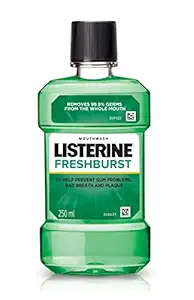
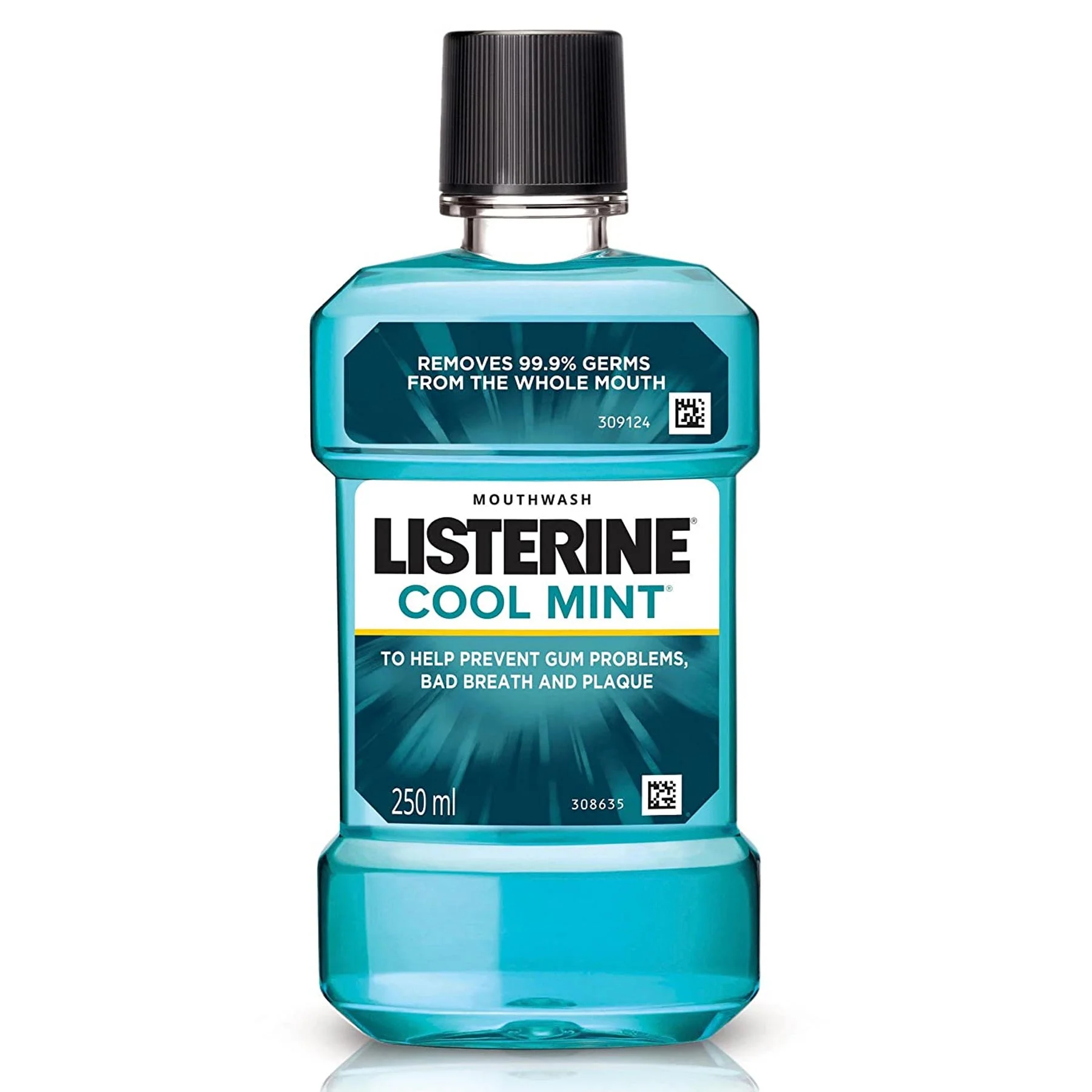
Listerine Cool Mint Mouthwash
An essential-oil antiseptic rinse that reduces plaque and bad breath alongside brushing. Contains alcohol.
Short course for gums
Hexidine Mouth Wash
Chlorhexidine gluconate 0.2%, for bleeding or swollen gums or after dental work, usually for up to two weeks.
Dry mouth or ulcers
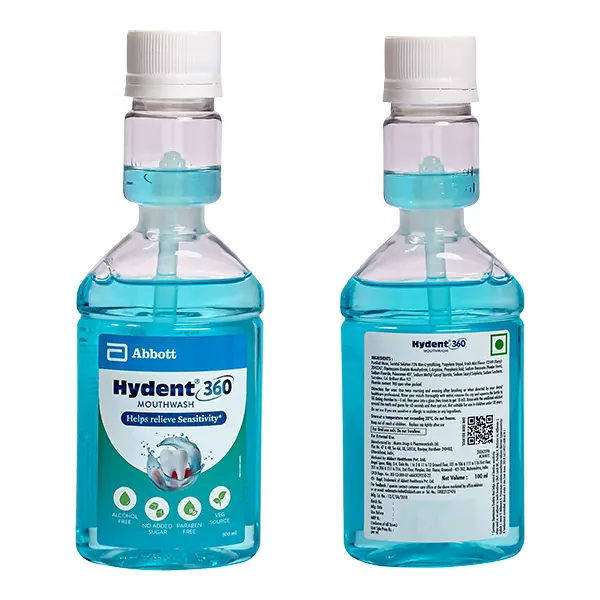
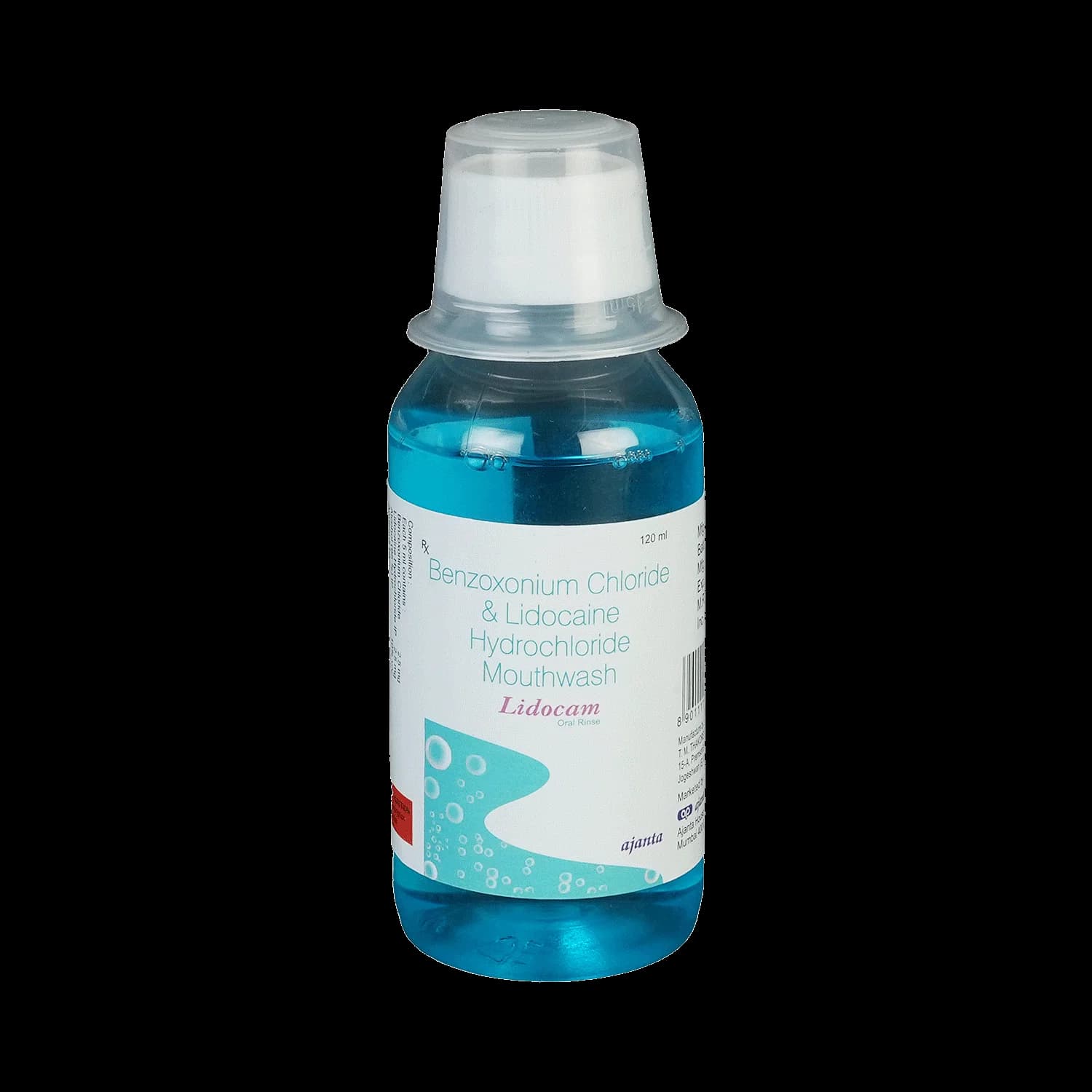
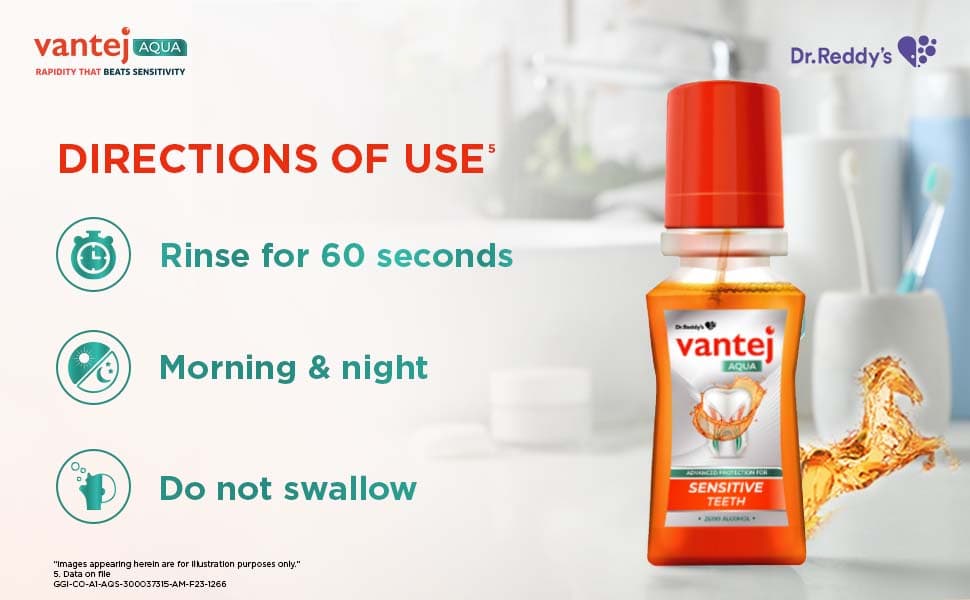
An alcohol-free mouthwash
Gentler on dry mouths, ulcers and sensitive gums for daily use.
Find it in the store
Mistakes to avoid
Don't use mouthwash instead of brushing twice a day and cleaning between your teeth. Don't use chlorhexidine for months; the brown staining and taste changes build up. Don't use a chlorhexidine rinse straight after brushing, and don't swallow any mouthwash. Don't cover up bad breath that lasts for weeks without finding the cause. And don't give adult mouthwash to young children.