
Rx
1-Al M Tab
Fdc Ltd - Tablet - 5mg + 10mg - 10 S
₹108₹113
Save ₹5
Prescription required
Cefixime 50 mg/5 ml + Ofloxacin 50 mg/5 ml (dry syrup; after reconstitution)
Delivery across India. Free above ₹999; ₹49 from ₹499, ₹99 below. Chennai express delivery is chargeable.
This medicine needs a prescription.
You can pay now and add the prescription afterwards. We pack your order only after a pharmacist verifies it.
A doctor decides whether a prescription can be issued. If it is not issued, the prescription items in your order are cancelled and refunded. You choose this at checkout.
Zifi-O Dry Syrup is used for treatment of susceptible bacterial infections such as acute bacterial diarrhea/dysentery, enteric fever (typhoid) (as per physician), urinary tract infections, and respiratory tract infections where combination therapy is considered appropriate.
Medically reviewed by Dr. Balaji Krishnan, MBBS · Updated September 2026
Zifi-O Dry Syrup contains Cefixime 50 mg/5 ml + Ofloxacin 50 mg/5 ml (dry syrup; after reconstitution). It belongs to the Third-generation cephalosporin + Fluoroquinolone combination class of medicines.
Cefixime is a third-generation cephalosporin antibiotic that inhibits bacterial cell wall synthesis leading to bacterial death. Ofloxacin is a fluoroquinolone antibiotic that inhibits bacterial DNA gyrase/topoisomerase IV, preventing DNA replication. Together they provide broad antibacterial coverage against susceptible organisms.
Take exactly as prescribed by your doctor.
Most side effects of Zifi-O Dry are mild and settle as the body adjusts. Reported side effects include:
Stop the medicine and seek help immediately for a rash, swelling of the face or lips, wheezing or difficulty breathing. Tell your doctor about any side effect that persists or worries you.
| Pregnancy | Not recommended / Consult doctor (especially due to ofloxacin) |
|---|---|
| Alcohol | Use with caution (alcohol may worsen dizziness and stomach upset) |
| Habit forming | No |
Prescription-only antibiotic; use only for bacterial infections and complete the course. Use with caution in kidney disease (dose adjustment may be needed), history of allergy to cephalosporins/penicillins, seizure disorders, and in patients with history of tendon disorders. Fluoroquinolones may rarely cause tendonitis/tendon rupture, peripheral neuropathy, CNS effects and QT prolongation; seek medical help if tendon pain, numbness/tingling, palpitations or severe dizziness occur. Stop and consult doctor if severe diarrhea occurs (risk of C. difficile). Avoid unnecessary use in children unless specifically prescribed; ofloxacin use in children is generally restricted due to effects on growing cartilage—use only when benefits outweigh risks as decided by physician.
Antacids or supplements containing magnesium/aluminium/calcium/iron/zinc (reduce ofloxacin absorption; separate by 2–4 hours), warfarin/anticoagulants (may increase bleeding risk), NSAIDs (may increase CNS stimulation/seizure risk with quinolones), other QT-prolonging drugs (increased arrhythmia risk), probenecid (may increase cephalosporin levels)
Store dry powder below 25°C in a dry place away from light. After reconstitution, store as per label (often in refrigerator or at room temperature as directed) and use within the recommended period (commonly 7–14 days); do not freeze. Keep the bottle tightly closed and out of reach of children.
Fdc Ltd - Tablet - 5mg + 10mg - 10 S
Save ₹5
Prescription required
Fdc Ltd - Syrup - 2.5mg/5mL - 30 ml
Save ₹2
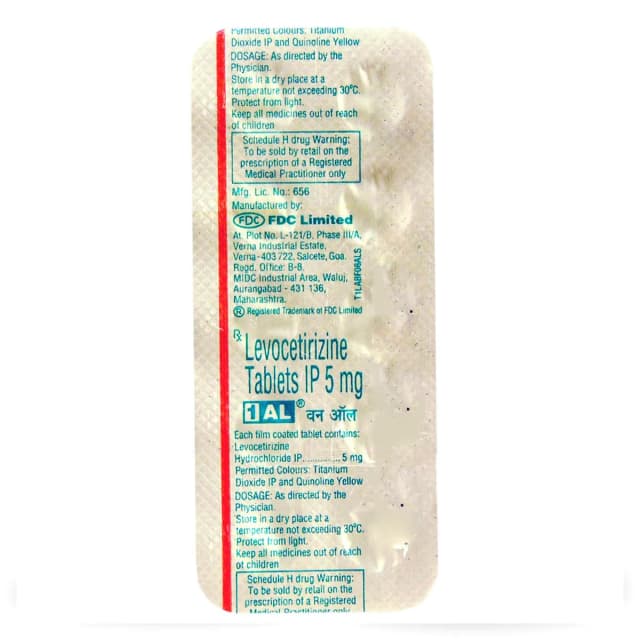
Fdc Ltd - 5 mg - 10 S
Save ₹2
Fdc Ltd - Syrup - 250 ml
Save ₹8
Prescription required
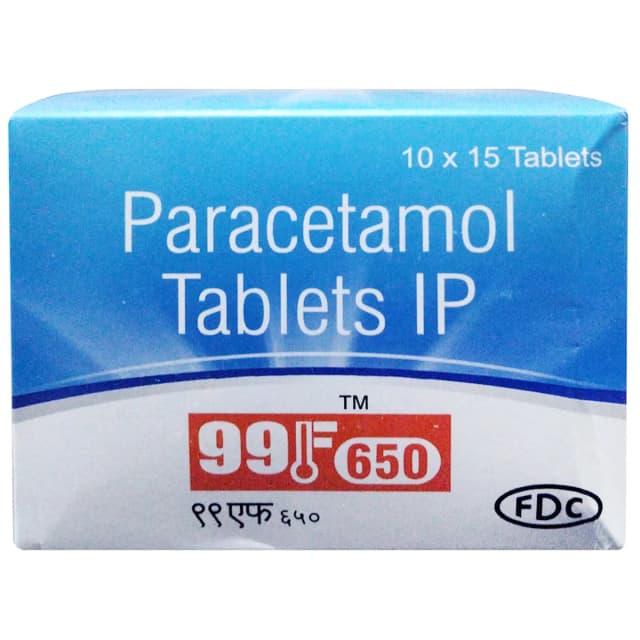
Fdc Ltd - Tablet - 650mg - 15 S
Save ₹2
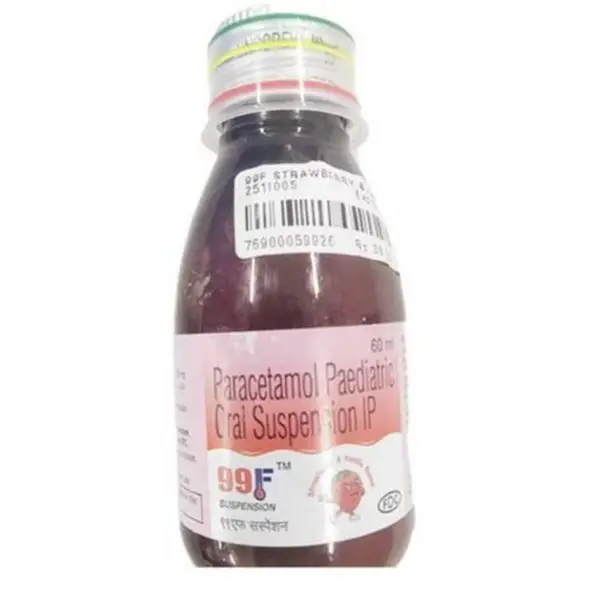
Fdc Ltd - Suspension - 60 ml
Save ₹2
Prescription required
Fdc Ltd - Tablet - 5 mg - 15 S
Save ₹1
Prescription required
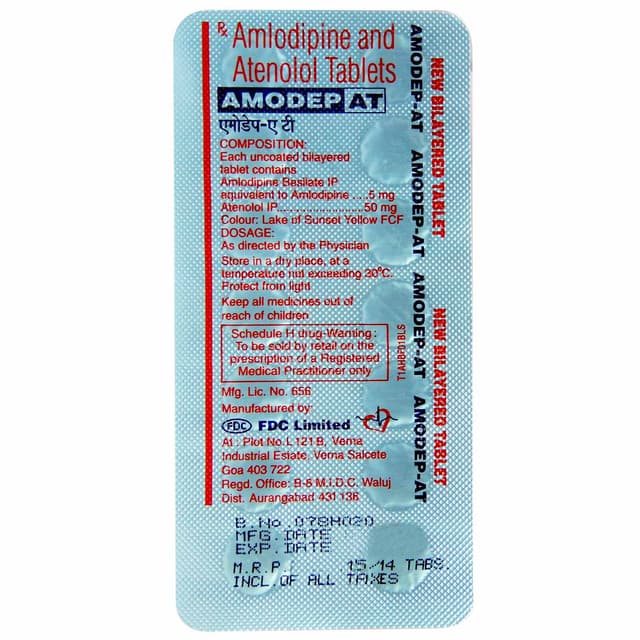
Fdc Ltd - Tablet - 5mg + 50mg - 15 S
Save ₹3
Prescription required
Blue Cross Laboratories Pvt Ltd - Syrup - 50mg/5mL - 30 ml
Save ₹7
Prescription required
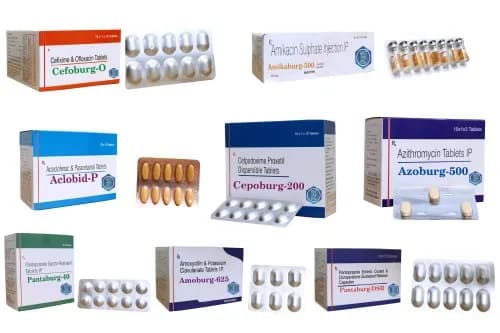
R.B.Pharmaceuticals - Tablet - 10 S
Save ₹11
Prescription required
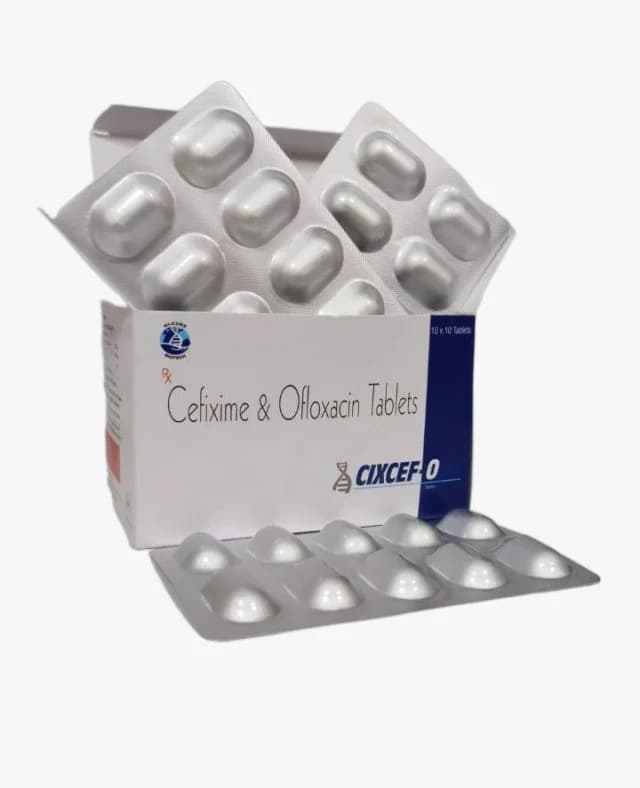
Vibhu Healthcare Llp - Tablet - 200mg + 200mg - 10 S
Save ₹16
Prescription required
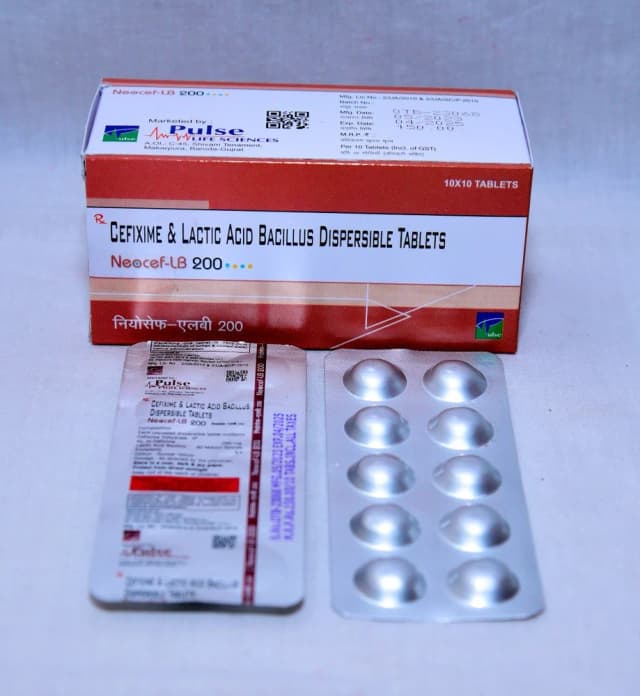
Altor Life Sciences - Tablet - 200 mg - 10 S
Save ₹4
Prescription required
Ras 3C Pharma - 10 S
Save ₹12
Prescription required
10 ml
Save ₹3
Prescription required
Sun Pharma 2 - Tablet - 500 mg - 10 S
Save ₹27
Prescription required
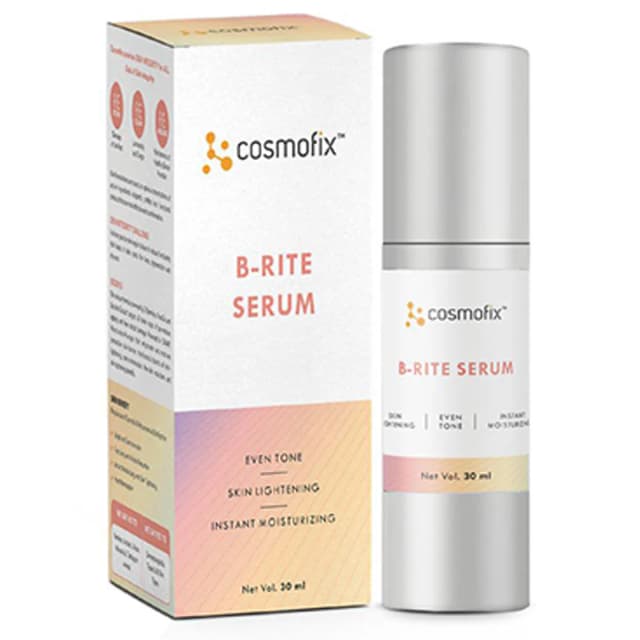
Cosmofix Technovation Pvt Ltd - 30 ml
Save ₹29
Prescription required
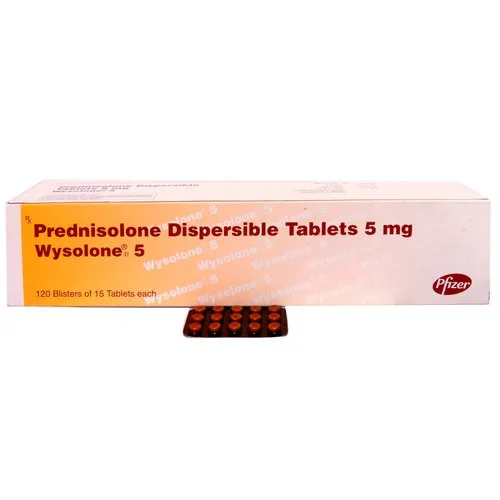
Pfizer Ltd - Tablet - 15 Tablet
Save ₹1
Prescription required
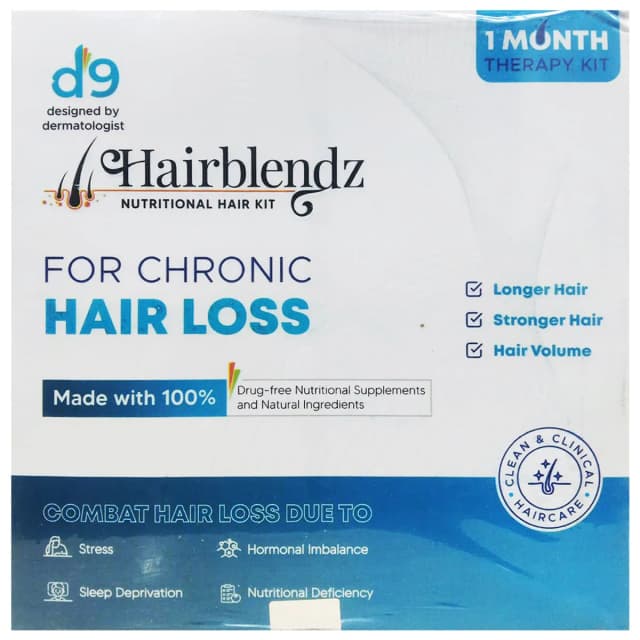
D9 Healthcare Llp - Kit
Save ₹83
12 G
1*1
Save ₹90
100 S
Funplay - 1*3*30
Save ₹2
1
Save ₹52
1
The information on Zifi-O Dry Syrup is compiled from the manufacturer's prescribing information and the sources below, and is reviewed by a registered medical practitioner. It does not replace advice from your own doctor.