How to choose
Match the length to the flow: regular for light days, XL for most days, and XXL or XXXL with a wider back for heavy flow and nights. A dry-net or ultra-dry top sheet pulls moisture away and feels drier; a cottony soft top sheet is gentler if you get rashes. Wings keep the pad in place when you move. Unscented pads are better for sensitive skin, as fragrance can irritate. Change your pad every four to six hours even on light days, and more often when flow is heavy, to prevent rashes and odour. Menstrual cups are reusable, hold more than a pad and last for years; choose the size by age and whether you have given birth, and sterilise the cup by boiling between periods. After childbirth, use maternity pads, which are longer and softer, for the first few weeks.
Who really needs this
Everyone who has periods needs something; this guide helps you choose for your flow and skin. See a gynaecologist if you soak through a pad every hour for several hours, pass clots larger than a coin, bleed for more than seven days, bleed between periods, after sex or after menopause, or feel tired and breathless, which can mean anaemia. Periods painful enough to stop your daily activities also need a check.
Our picks
Editorial recommendations, not paid placements.
Everyday flow
Whisper Choice Ultra Sanitary Pads XL
A thin XL pad with wings for regular days.
Heavy flow and nights
Stayfree Dry Max All Night Ultra-Dry Pads XXL
Extra length and a dry top sheet for heavy days and overnight.
Very heavy nights
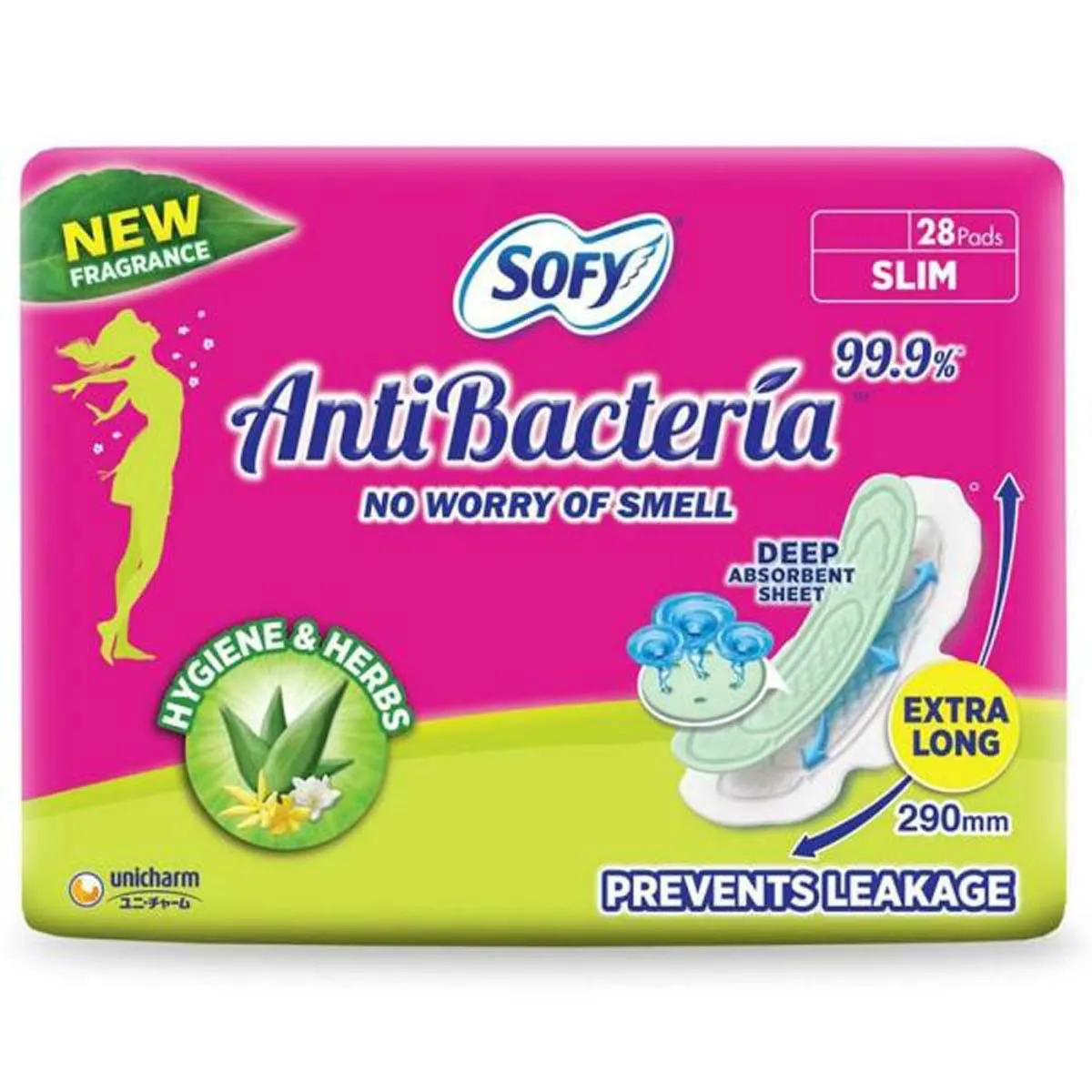
Sofy Bodyfit Overnight Pads XXXL+
The longest option, for very heavy nights or long sleeps.
Reusable
Inari Reusable Menstrual Cup Medium
A reusable cup that lasts for years. Read the folding and boiling instructions before first use.
After childbirth
New Mom Maternity Sanitary Pad
Longer, softer pads for the bleeding in the weeks after delivery.


Mistakes to avoid
Don't wear one pad all day; long wear causes rashes and infection. Don't use scented pads if you get itching or rashes. Don't use talc or perfume on the area. Don't leave a cup or tampon in longer than the pack allows, usually up to 12 hours for a cup and 8 hours for a tampon, because of the rare risk of toxic shock syndrome. And don't treat very heavy periods as normal; they are a common cause of anaemia.