

Acetamide 250
Micro Labs - 10 S
₹43
Prescription required
Ketorolac + Moxifloxacin
Moxigram-Kt is used for this medicine is used in the treatment of pain, inflammation, arthritis, fever, period pain, bacterial infection, urinary infection, chest infection and gut infection.
Medically reviewed by Dr. Balaji Krishnan, MBBS · Updated September 2026
Moxigram-Kt contains Ketorolac + Moxifloxacin. It belongs to the Non-steroidal anti-inflammatory drug and Fluoroquinolone class of medicines.
This medicine combines 2 active ingredients: Ketorolac and Moxifloxacin. Ketorolac blocks the chemicals your body makes at a site of injury or inflammation, which reduces pain, swelling and fever. Moxifloxacin kills the bacteria causing your infection by blocking the enzymes they use to copy their DNA.
Use this medicine as your doctor has directed. Follow the dose and the duration written on your prescription.
Take it exactly as your doctor prescribed. Do not change the dose or stop early on your own.
Take it as soon as you remember. If your next dose is almost due, skip the one you missed — never take two doses together to catch up.
An overdose of this medicine can cause stomach bleeding, kidney failure, drowsiness and fits. It can cause kidney injury, fits and heart rhythm disturbance. Do not wait for symptoms to appear — go to the nearest emergency department and take the pack or strip with you.
Most side effects of Moxigram-Kt are mild and settle as the body adjusts. Reported side effects include:
Stop the medicine and seek help immediately for a rash, swelling of the face or lips, wheezing or difficulty breathing. Tell your doctor about any side effect that persists or worries you.
| Pregnancy | Not recommended in pregnancy — it may harm the developing baby. Tell your doctor at once if you are or might be pregnant. |
|---|---|
| Breastfeeding | Consult your doctor before using this while breastfeeding. |
| Alcohol | Do not drink alcohol while taking this medicine. |
| Driving | May cause drowsiness or affect your concentration. Do not drive until you know how it affects you. |
| Kidney | Consult your doctor if you have kidney disease. |
| Liver | Consult your doctor if you have liver disease. |
| Habit forming | No |
Take it with or just after food, and for the shortest time that works. Stop and seek urgent care for black or tarry stools, vomiting blood, or severe stomach pain — this group can cause bleeding from the stomach. Long or high-dose use raises the risk of heart attack, stroke and kidney injury, particularly in older people and those already at risk. Avoid if you are dehydrated or have an illness with vomiting or loose motions — the kidneys are vulnerable then. Must be avoided in the last three months of pregnancy. Stop and contact your doctor at once if you develop pain, swelling or tenderness in a tendon — the Achilles tendon at the back of the ankle in particular. This group can damage tendons, and the risk is higher in older people and with steroids. Report any new numbness, tingling or burning in the hands or feet promptly. Tell your doctor about any change in mood, confusion or agitation. Avoid strong sunlight and use sun protection — this group makes the skin burn more easily. Finish the whole course; this group is heavily associated with antibiotic resistance and should be used only when prescribed.
Not for anyone with a known allergy to this medicine or to any ingredient in the pack. Not for people with an active stomach ulcer, severe kidney or heart failure, or asthma triggered by aspirin or anti-inflammatory painkillers. Not in the third trimester of pregnancy. Generally avoided in children and adolescents, in pregnancy, and in anyone with a history of tendon problems with these antibiotics.
Combining with a blood thinner or aspirin sharply raises the bleeding risk. Reduces the effect of blood pressure medicines and water tablets, and together with them can harm the kidneys. Never take two anti-inflammatory painkillers at the same time. Antacids, iron, zinc, calcium and milk markedly reduce absorption — separate them by at least two hours. Tell your doctor if you take steroids, a blood thinner or a medicine for heart rhythm.
Store below 30°C in the original pack, away from direct sunlight and moisture. Keep out of the reach of children.
Use the lowest dose for the shortest period. If you need a painkiller regularly, see your doctor rather than continuing on your own. Paracetamol is the safer choice for simple fever and headache. Drink plenty of water through the course. Separate it from antacids, milk and mineral supplements.
Micro Labs - 10 S
Prescription required
Micro Labs - Drop - 5 ml
Prescription required
Micro Labs - Tablet - 15 S
Prescription required
Micro Labs - Syrup - 60 ml
Prescription required
Micro Labs - 10 S
Prescription required
Micro Labs - Tablet - 10 Tablet
Micro Labs - Syrup - 60 ml
Prescription required
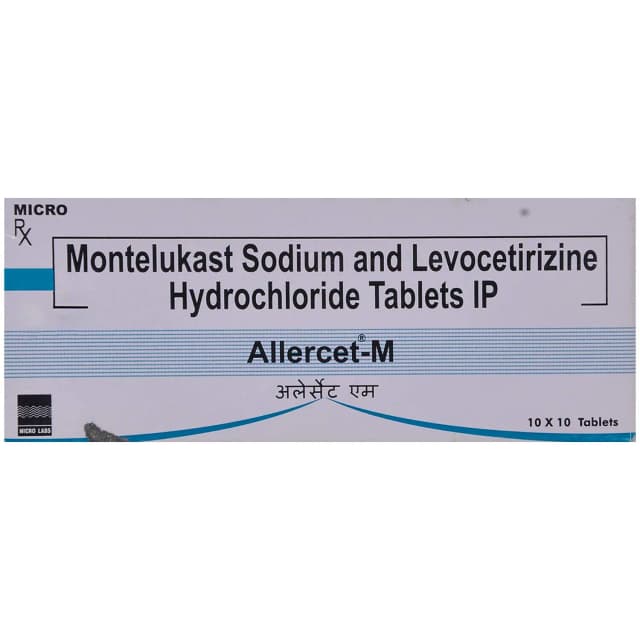
Micro Labs - Tablet - 10 S
Prescription required
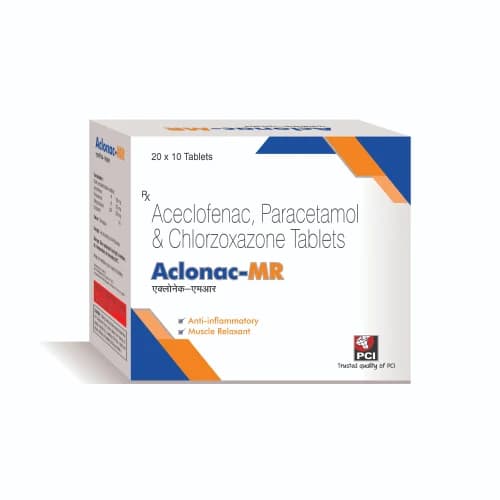
Life Gain Pharma - Tablet - 10 S
Prescription required
Med Manor Organics Pvt Ltd - Gel - 10 G
Prescription required
Zydus Healthcare Pharma - Tablet - 625 mg - 10 S
Prescription required

Genfo Bioceuticals Pvt Ltd - Tablet - 10 S
Prescription required
Cipla Limited - 10 S
Prescription required

Empee Distributors - Cream - 30 gm - 30 G
Prescription required
Medopharm - 10
Prescription required
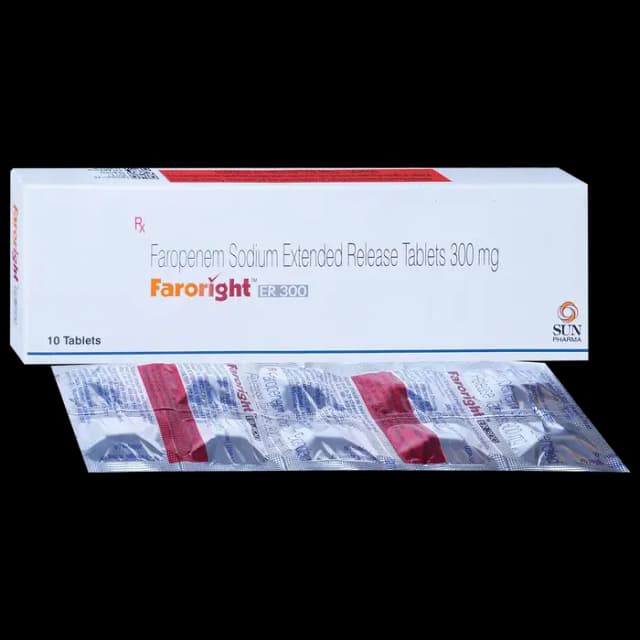
Sun Pharma 2 - Tablet - 300 mg - 10 S
Prescription required
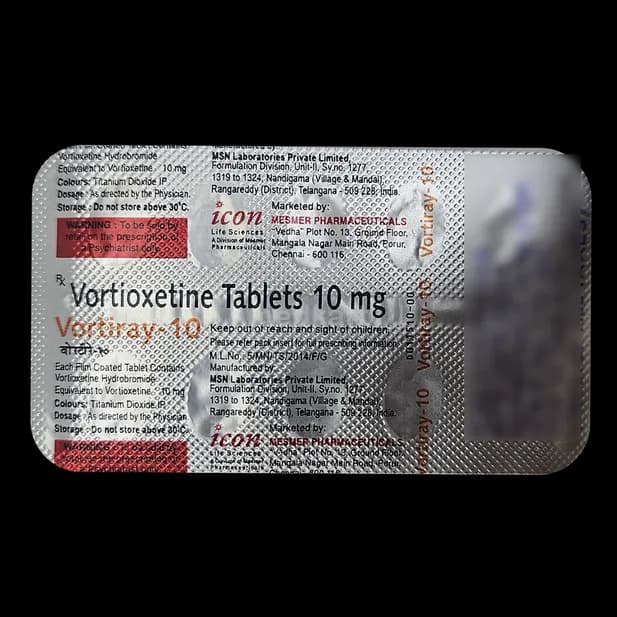
Icon Pharma - 10 mg - 10 S
Prescription required
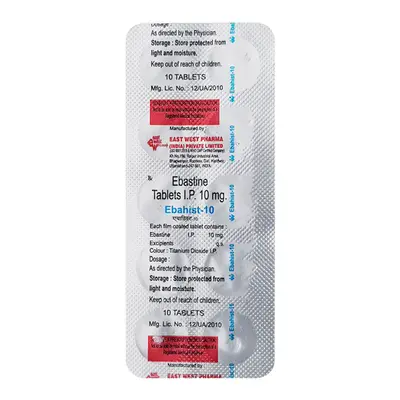
East West Pharma - Tablet - 10 mg - 10 S
Prescription required
Glenmark Pharmaceuticals - Tablet - 5 mg - 10 S
Prescription required
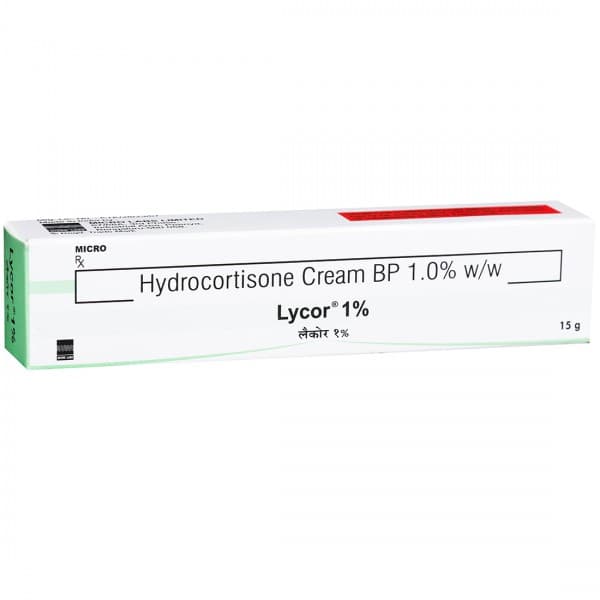
Micro Labs - Cream - 15 gm - 15 G
Prescription required
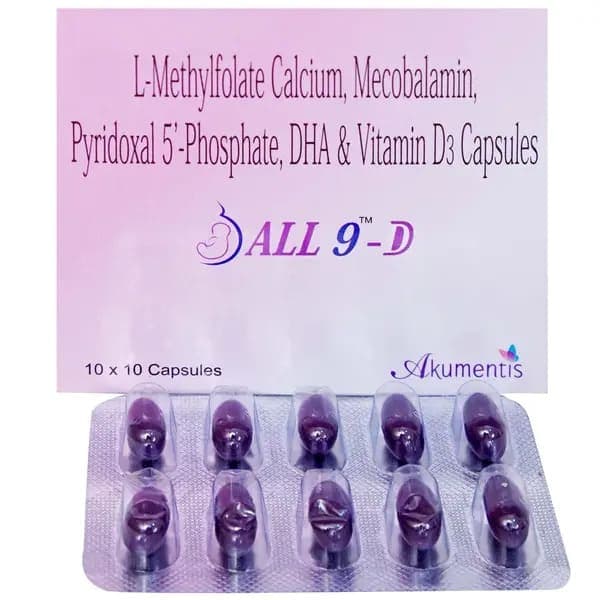
Micro Labs - Capsule - 10 S
Prescription required
Walter Bushnel - 10 mg - 10 S
Prescription required

Brinton Pharmaceuticals Pvt Ltd - Cream - 15 G
Prescription required
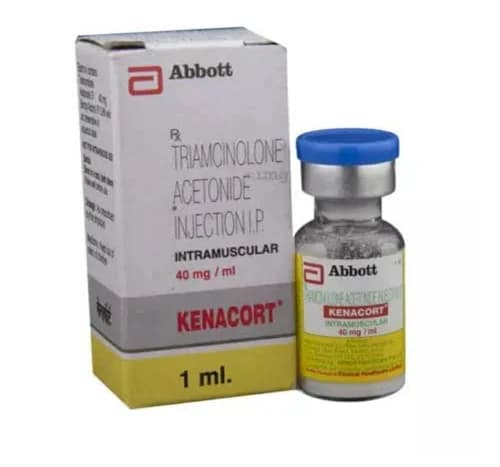
Abbott Healthcare Pvt Ltd - Vial - 40 mg - Vial
Prescription required
The information on Moxigram-Kt is compiled from the manufacturer's prescribing information and the sources below, and is reviewed by a registered medical practitioner. It does not replace advice from your own doctor.