
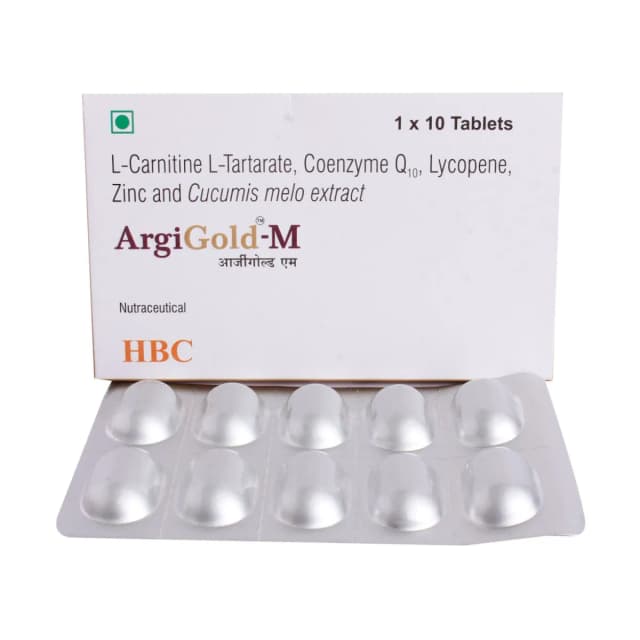
Argigold M Tab
Hbc Lifesceince Pvt Ltd - Tablet - 10 S
₹582₹613
Save ₹31
Dapagliflozin 10 mg + Metformin Hydrochloride 1000 mg (usually as extended-release/SR) per tablet
Delivery across India. Free above ₹999; ₹49 from ₹499, ₹99 below. Chennai express delivery is chargeable.
This medicine needs a prescription.
You can pay now and add the prescription afterwards. We pack your order only after a pharmacist verifies it.
A doctor decides whether a prescription can be issued. If it is not issued, the prescription items in your order are cancelled and refunded. You choose this at checkout.
Dapagold M 10/1000 mg Tablet is used for type 2 diabetes mellitus (as add-on to diet and exercise) to improve glycaemic control; may be used when dual therapy is needed and in patients with overweight/insulin resistance as per physician advice.
Medically reviewed by Dr. Balaji Krishnan, MBBS · Updated September 2026
Dapagold M 10/1000 mg Tablet contains Dapagliflozin 10 mg + Metformin Hydrochloride 1000 mg (usually as extended-release/SR) per tablet. It belongs to the SGLT2 inhibitor + Biguanide class of medicines.
Type 2 diabetes mellitus (as add-on to diet and exercise) to improve glycaemic control; may be used when dual therapy is needed and in patients with overweight/insulin resistance as per physician advice
Dapagliflozin is an SGLT2 inhibitor that lowers blood glucose by increasing urinary glucose excretion via the kidneys. Metformin reduces hepatic glucose production and improves insulin sensitivity, helping the body use insulin better.
Oral tablet. Take exactly as prescribed, usually once daily with food (preferably with/after a main meal) to reduce stomach upset; swallow whole if SR/ER—do not crush or chew. Maintain adequate hydration; monitor blood sugar as advised.
Take it exactly as your doctor prescribed. Do not change the dose or stop early on your own.
Take it as soon as you remember. If your next dose is almost due, skip the one you missed — never take two doses together to catch up.
An overdose of this medicine can cause dehydration and a fall in blood pressure. It can cause a dangerous build-up of acid in the blood, with vomiting, severe weakness and laboured breathing. Do not wait for symptoms to appear — go to the nearest emergency department and take the pack or strip with you.
Most side effects of Dapagold M 10/1000 mg are mild and settle as the body adjusts. Reported side effects include:
Stop the medicine and seek help immediately for a rash, swelling of the face or lips, wheezing or difficulty breathing. Tell your doctor about any side effect that persists or worries you.
| Pregnancy | Not recommended / Consult doctor |
|---|---|
| Breastfeeding | Not recommended while breastfeeding. |
| Alcohol | Avoid |
| Driving | May cause drowsiness or affect your concentration. Do not drive until you know how it affects you. |
| Kidney | Consult your doctor if you have kidney disease. |
| Liver | Consult your doctor if you have liver disease. |
| Habit forming | No |
Prescription-only antidiabetic. Risk of dehydration and low blood pressure—drink fluids and use caution in elderly/diuretics. Dapagliflozin can increase risk of genital infections and UTIs; seek care for fever, burning urination, genital itching/discharge. Rare but serious: ketoacidosis (nausea, vomiting, abdominal pain, breathlessness), Fournier’s gangrene (genital/perineal pain/swelling/fever). Metformin carries risk of lactic acidosis—higher with kidney/liver disease, severe infection, dehydration, heavy alcohol use, or hypoxia; kidney function should be assessed before and during therapy. Stop temporarily before major surgery and around iodinated contrast procedures as advised by doctor. Not for type 1 diabetes.
Not for anyone with a known allergy to this medicine or to any ingredient in the pack. Not for type 1 diabetes or for diabetic ketoacidosis. Not for people with severe kidney disease. Not for people with severe kidney disease, severe liver disease, or an acute illness causing dehydration. Not for people who have had diabetic ketoacidosis.
Insulin and sulfonylureas (increased hypoglycaemia risk), diuretics (dehydration/hypotension), ACE inhibitors/ARBs and NSAIDs (may affect kidney function), iodinated contrast media (increase lactic acidosis risk with metformin), alcohol (increases lactic acidosis risk), carbonic anhydrase inhibitors e.g., topiramate (metabolic acidosis risk), cationic drugs eliminated by renal tubular secretion (may raise metformin levels), other glucose-lowering drugs (additive effect)
Store below 25°C in a dry place, protected from moisture and light. Keep in original blister pack and out of reach of children.
Take it in the morning so the extra urine does not disturb your sleep. Keep up your fluid intake and maintain genital hygiene. Tell any doctor treating you for an acute illness that you take this medicine. Take it with or just after food to reduce stomach upset. Keep taking it even when your sugar readings look normal — that is the medicine working. Continue your diet and physical activity; this medicine works alongside them, not instead of them.
Hbc Lifesceince Pvt Ltd - Tablet - 10 S
Save ₹31
Hbc Lifesceince Pvt Ltd - Capsule - 10 S
Save ₹36
Hbc Lifesceince Pvt Ltd - Sachet - 10 G
Save ₹3
Hbc Lifesceince Pvt Ltd - Tablet - 15 S
Save ₹5
Prescription required
Hbc Lifesceince Pvt Ltd - Tablet - 15 Tablet
Save ₹29
Prescription required
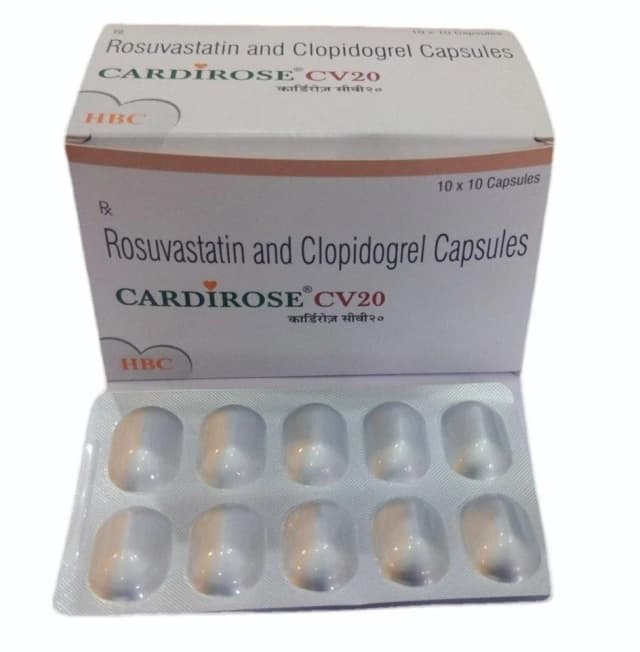
Hbc Lifesceince Pvt Ltd - Tablet - 20 mg - 15 S
Save ₹15
Prescription required
Hbc Lifesceince Pvt Ltd - Tablet - 40 mg - 10 S
Save ₹10
Prescription required
Hbc Lifesceince Pvt Ltd - Tablet - 5mg - 10 S
Save ₹5
Prescription required
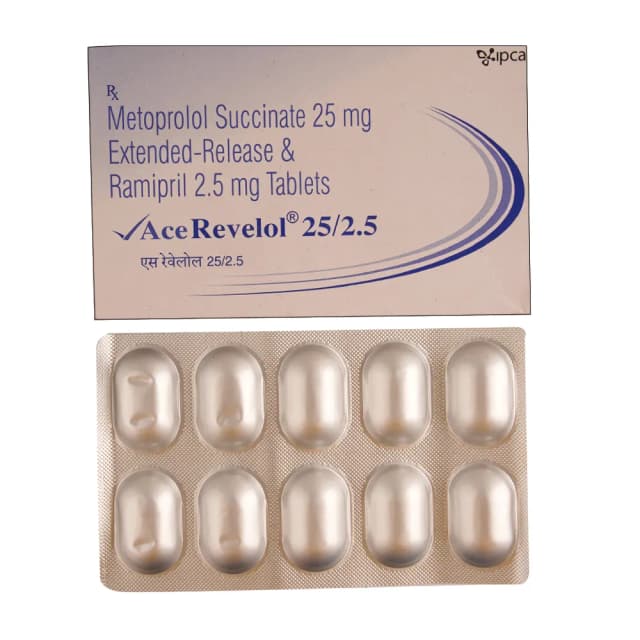
IPCA Laboratories Ltd - 10 S
Save ₹12
Prescription required
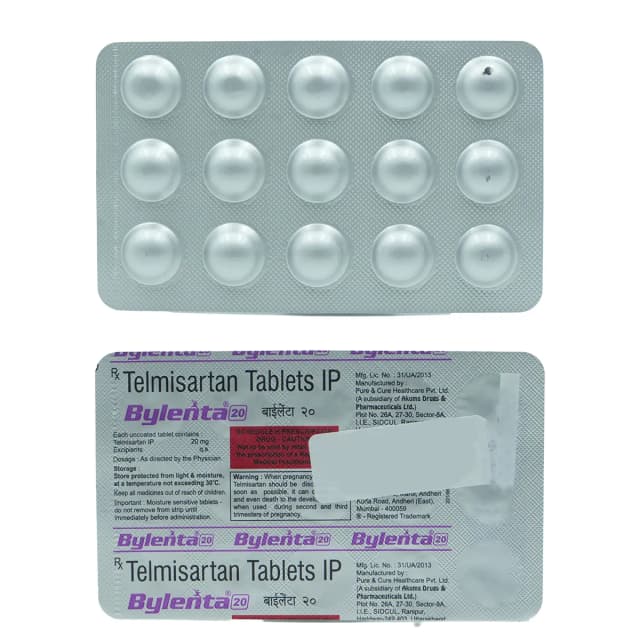
Lloyd Healthcare - Tablet - 40mg + 10mg - 10 S
Save ₹10
Prescription required
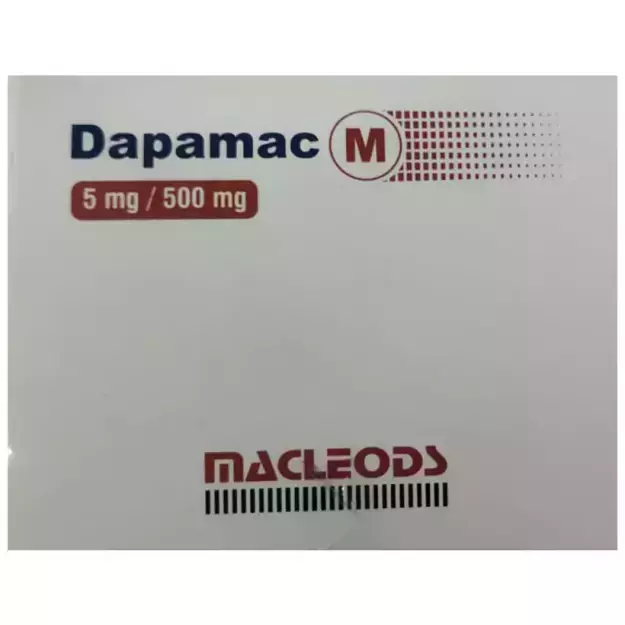
Shrrishti Healthcare Products(I) Pvt Ltd - Tablet - 500mg + 10mg - 10 S
Save ₹5
Prescription required
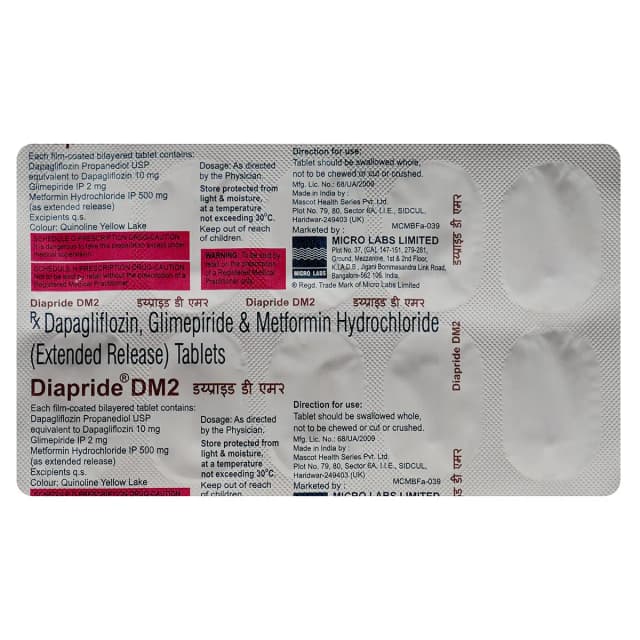
Micro Labs - Tablet - 2mg + 1000mg + 10mg - 10 S
Save ₹8
Prescription required
Lupin Lab - 3 ml
Save ₹74
Prescription required
Lividus Pharmaceuticals Pvt Ltd. - Tablet - 10mg + 5mg - 10 S
Save ₹7
Prescription required
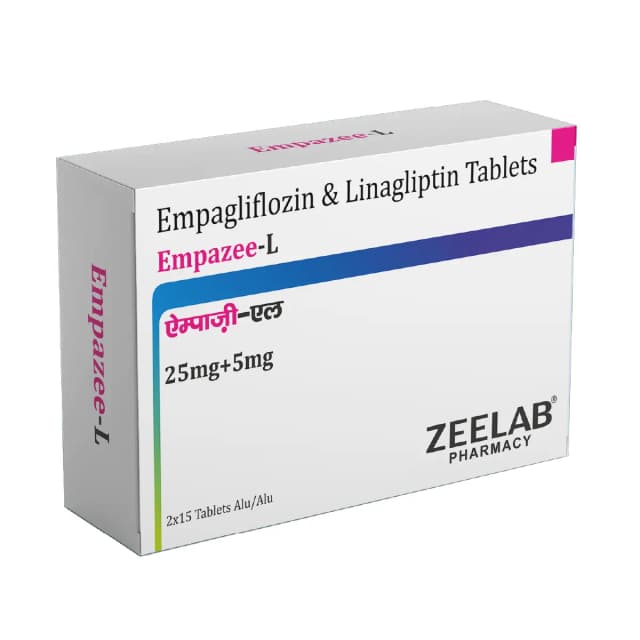
Verse Lifesciences - Tablet - 25mg + 5mg - 10 S
Save ₹6
Prescription required
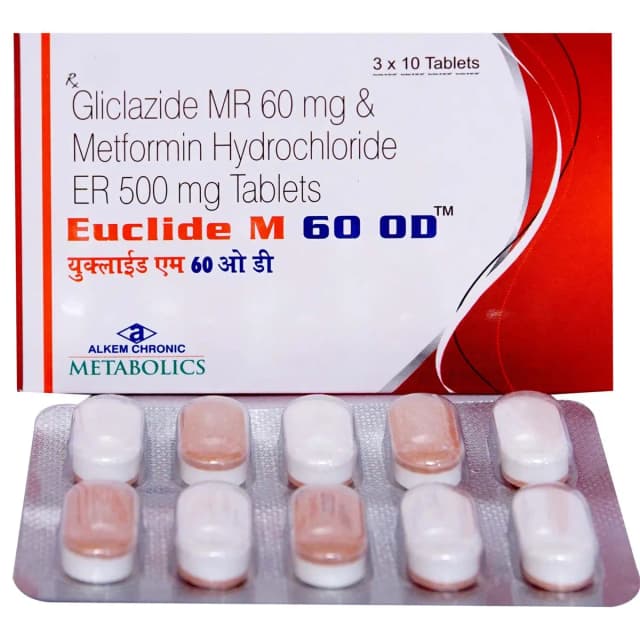
Alkem Lab - Tablet - 500mg + 60mg - 10
Save ₹8
Prescription required
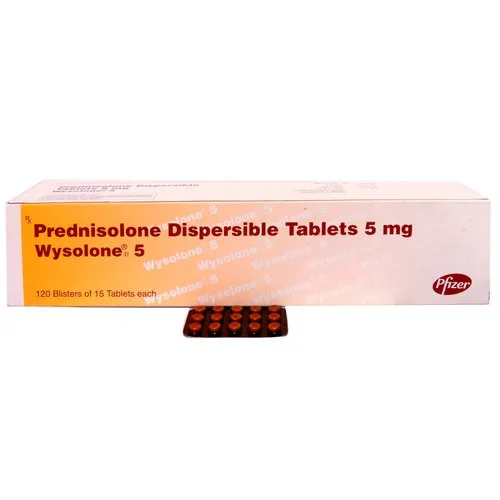
Pfizer Ltd - Tablet - 15 Tablet
Save ₹1
Prescription required
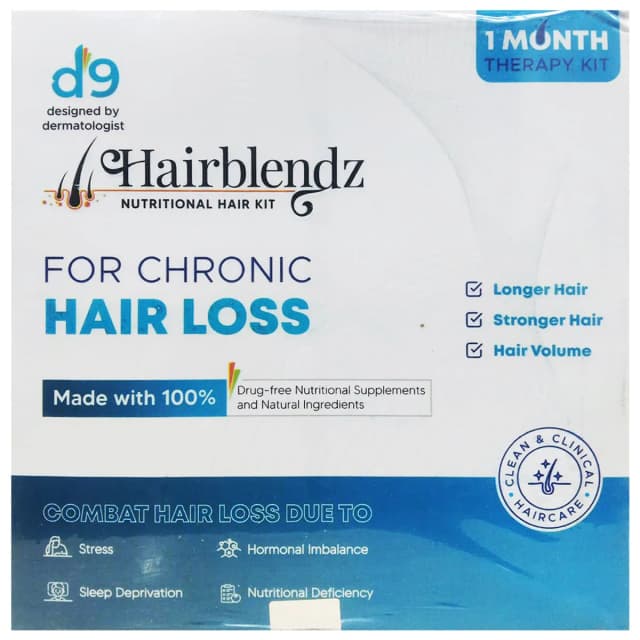
D9 Healthcare Llp - Kit
Save ₹83
12 G
1*1
Save ₹90
100 S
Funplay - 1*3*30
Save ₹2
1
Save ₹52
1
The information on Dapagold M 10/1000 mg Tablet is compiled from the manufacturer's prescribing information and the sources below, and is reviewed by a registered medical practitioner. It does not replace advice from your own doctor.