
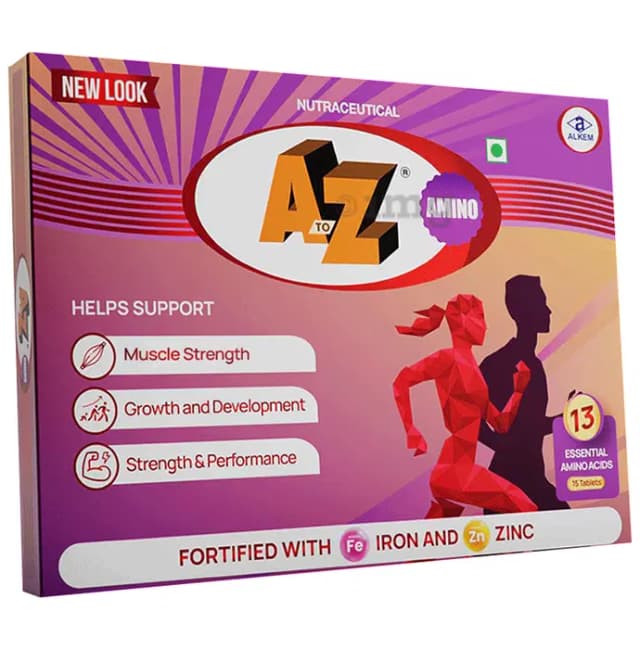
A To Z Amino Tab
Alkem Lab - Tablet - 15 S
₹241
Fluticasone (0.055%w/w) + Benzalkonium Chloride (0.015%w/w)
Freeair Spray is used for freeair Nasal Spray is used in the treatment of sneezing and runny nose due to allergies.
Medically reviewed by Dr. Balaji Krishnan, MBBS · Updated September 2026
Freeair Spray contains Fluticasone (0.055%w/w) + Benzalkonium Chloride (0.015%w/w). It belongs to the Inhaled bronchodilator / corticosteroid and Antiseptic and disinfectant class of medicines.
Freeair Nasal Spray is used in the treatment of sneezing and runny nose due to allergies.
Freeair Nasal Spray is a steroid which works by blocking the production of certain chemical messengers in the body that cause inflammation (redness and swelling) and allergies.
Use this medicine in the dose and duration as advised by your doctor. Check the label for directions before use. Insert the bottle tip into one nostril and close the other nostril. Direct the spray away from the cartilage diving the two sides of your nose and toward the sides of your nostril. As you spray, breath gently and keep the head upright. Repeat in the other nostril.
Take it exactly as your doctor prescribed. Do not change the dose or stop early on your own.
Apply it as soon as you remember. If it is nearly time for the next application, skip the missed one — applying extra does not make up for it.
An overdose of this medicine can cause a racing heart, marked tremor, headache and a fall in blood potassium. It is unlikely from skin use, but swallowing an antiseptic is dangerous and needs immediate medical attention. Do not wait for symptoms to appear — go to the nearest emergency department and take the pack or strip with you.
Most side effects of Freeair are mild and settle as the body adjusts. Reported side effects include:
Stop the medicine and seek help immediately for a rash, swelling of the face or lips, wheezing or difficulty breathing. Tell your doctor about any side effect that persists or worries you.
| Pregnancy | Freeair Nasal Spray may be unsafe to use during pregnancy.<br>Animal studies have shown adverse effects on the foetus, however, there are limited human studies. The benefits from use in pregnant women may be acceptable despite the risk. Please consult your doctor. |
|---|---|
| Breastfeeding | Freeair Nasal Spray is probably safe to use during lactation. Limited human data suggests that the drug does not represent a significant risk to the baby. |
| Alcohol | No interaction found/established |
| Driving | Not expected to affect your ability to drive. |
| Kidney | No interaction found/established |
| Liver | No interaction found/established |
| Habit forming | No |
Know which of your inhalers is the reliever and which is the preventer. A preventer must be used every day even when you feel well; a reliever is for symptoms. Seek emergency care if your reliever is not working, if you cannot speak a full sentence, or if you are using the reliever far more often than usual. Rinse your mouth with water and spit it out after every steroid inhaler dose to prevent thrush and hoarseness. Ask your doctor or pharmacist to watch your technique — poor technique is the commonest reason an inhaler seems not to work. Use a spacer if one has been advised, particularly for children. For external use only. Keep away from the eyes and the inside of the mouth and nose unless the product is made for that purpose. Do not use a strong antiseptic repeatedly on an open wound — clean running water and soap around the edges are usually better, and harsh antiseptics slow healing. See a doctor for a deep or dirty wound, an animal bite, a wound that will not stop bleeding, or one that becomes red, swollen, warm or discharges. Check that your tetanus cover is current after any dirty or penetrating wound.
Not for anyone with a known allergy to this medicine or to any ingredient in the pack. Not for anyone with a known allergy to the propellant used in the inhaler. Not for use on large burns or deep wounds without medical advice.
Beta blockers, including eye drops for glaucoma, can tighten the airways and reduce the effect of your reliever. No significant interactions are expected.
Store below 30°C, away from direct sunlight and heat. Keep out of the reach of children.
Keep a spare reliever and check the counter so you are not caught with an empty one. Follow your written asthma action plan if you have one. Do not stop a preventer because you feel better — that is the medicine working. Clean the wound under running water first, then apply. Cover a clean wound with a sterile dressing and change it if it becomes wet or dirty.
Alkem Lab - Tablet - 15 S
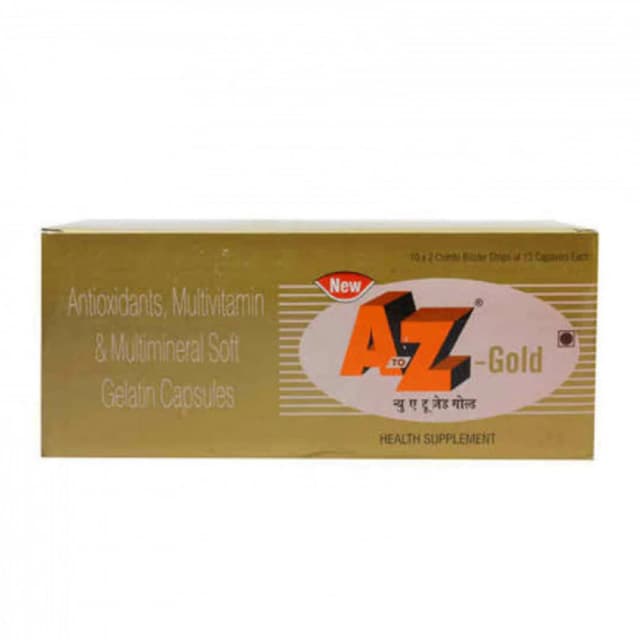
Alkem Lab - Capsule - 15 S
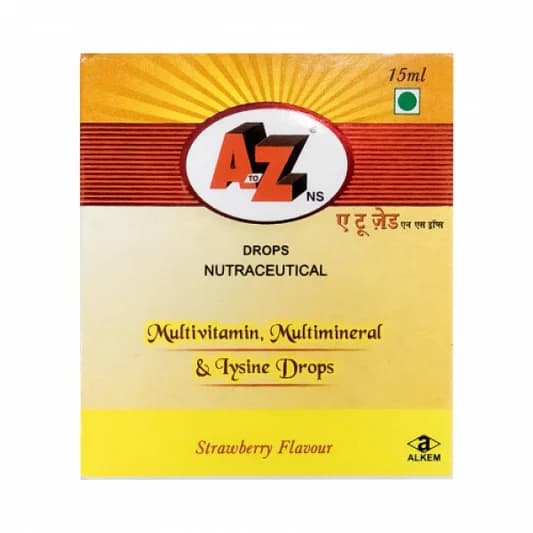
Alkem Lab - Drop - 30 ml
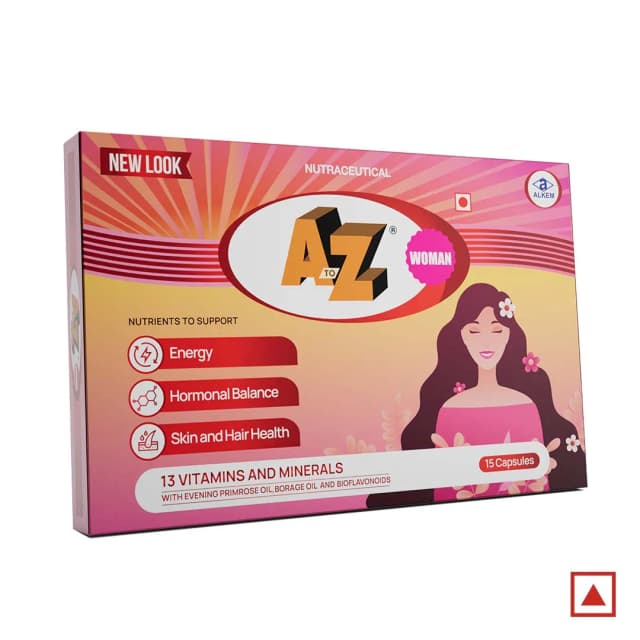
Alkem Lab - Capsule - 15 S
Alkem Lab - Tablet - 500 mg - 10 S
Prescription required
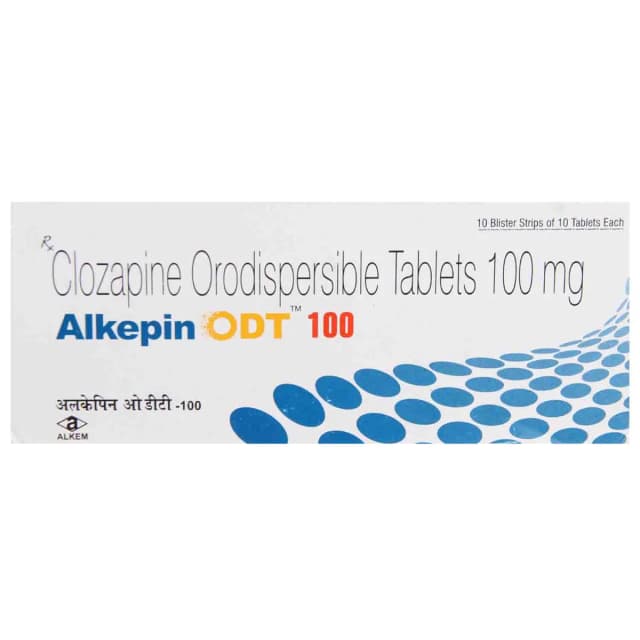
Alkem Lab - 10 S
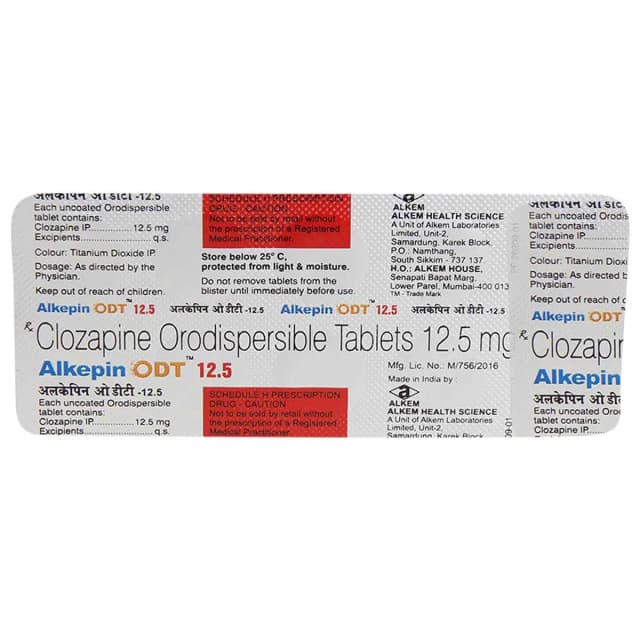
Alkem Lab - 10 S
Alkem Lab - 10 S
Comed Chemicals - Tablet - 15 S
Prescription required
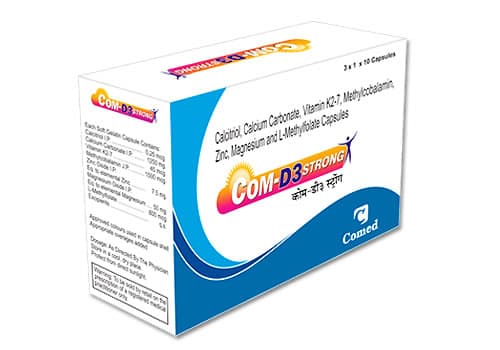
Comed Chemicals - Capsule - 10 S
Prescription required
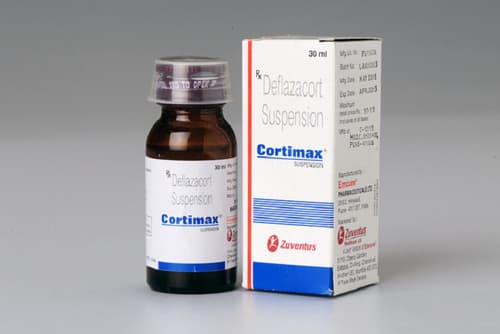
Zuventus Healthcare Ltd - 30 ml
Prescription required
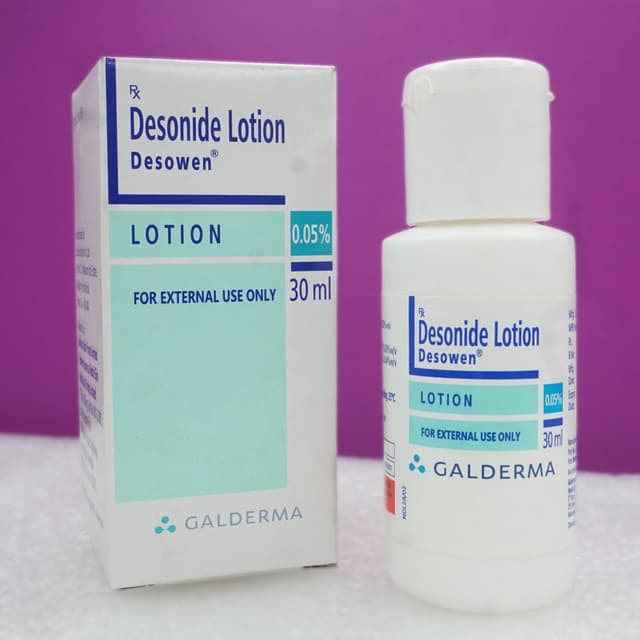
Galderma India Pvt Ltd - Lotion - 30 ml
Prescription required
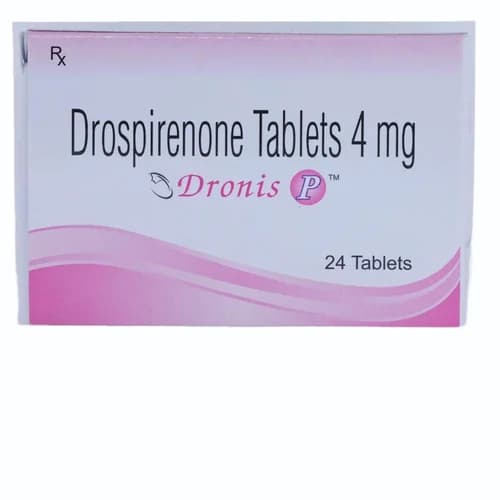
Sun Pharma - Tablet - 4 mg - 24 S
Prescription required
Lupin Lab - 3 ml
Prescription required
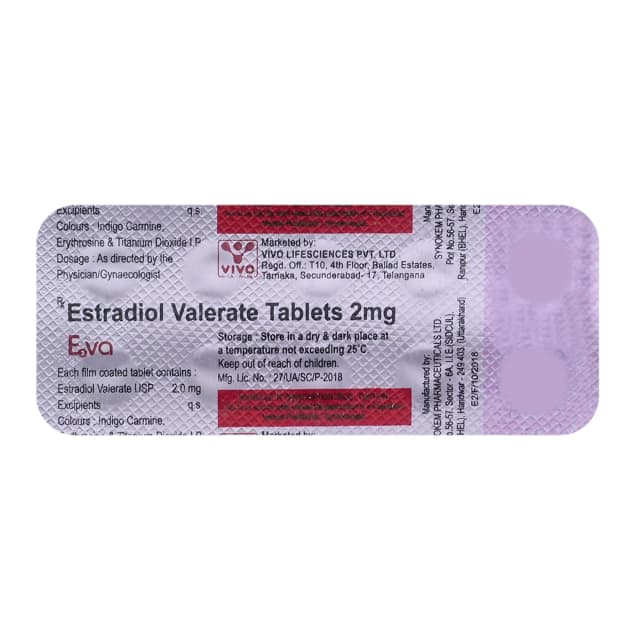
Olympus - Tablet - 28 S
Prescription required
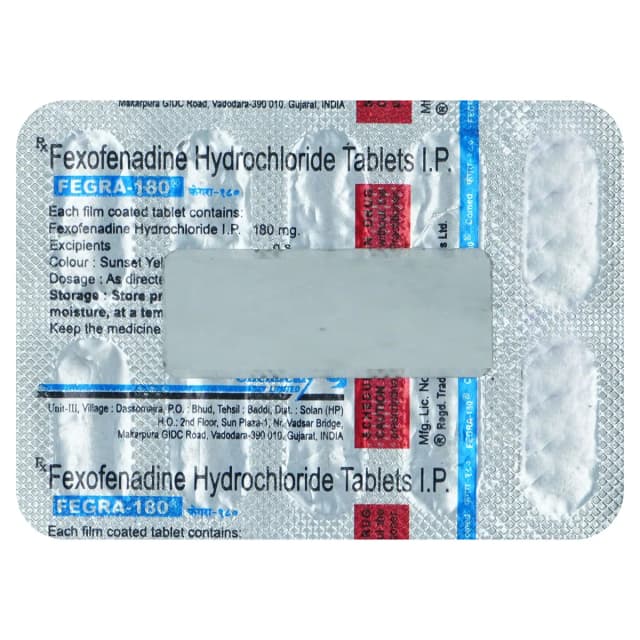
Comed Chemicals - 10 S
Prescription required
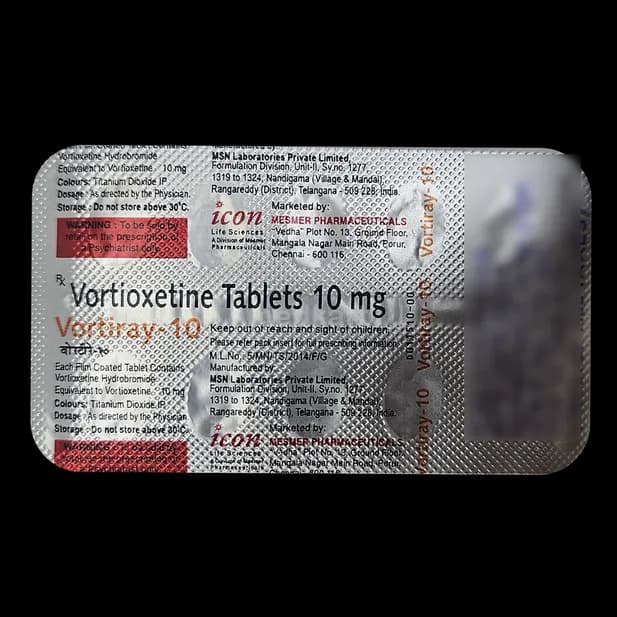
Icon Pharma - 10 mg - 10 S
Prescription required
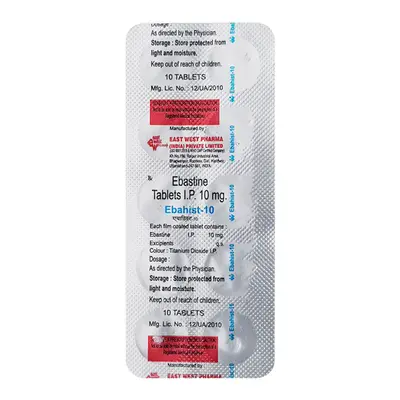
East West Pharma - Tablet - 10 mg - 10 S
Prescription required
Glenmark Pharmaceuticals - Tablet - 5 mg - 10 S
Prescription required
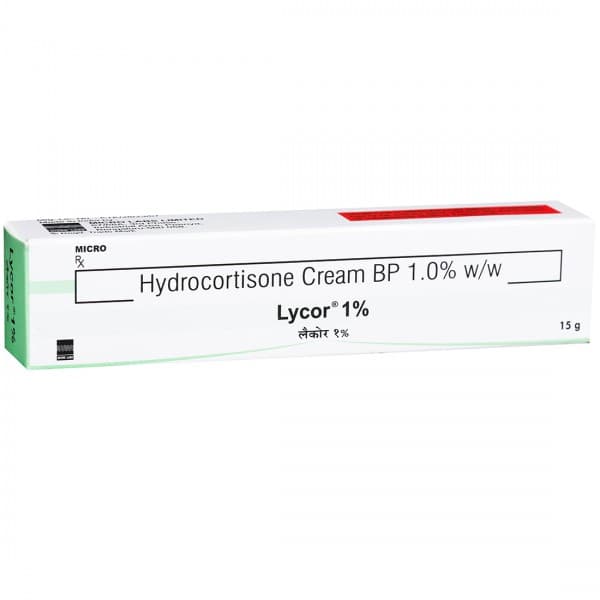
Micro Labs - Cream - 15 gm - 15 G
Prescription required
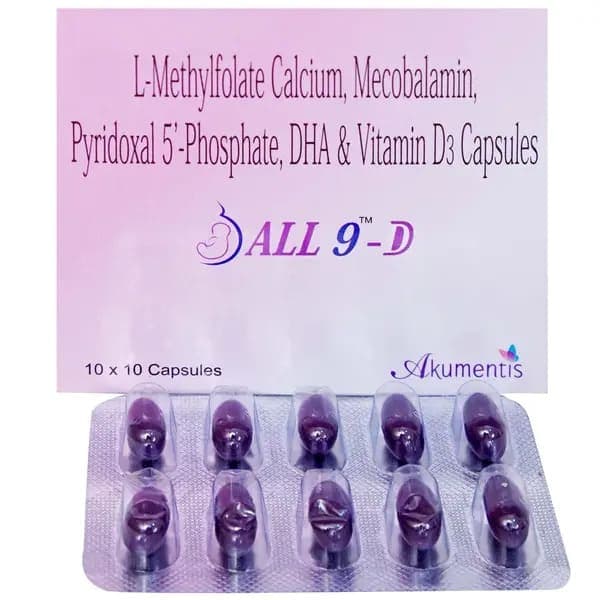
Micro Labs - Capsule - 10 S
Prescription required
Walter Bushnel - 10 mg - 10 S
Prescription required
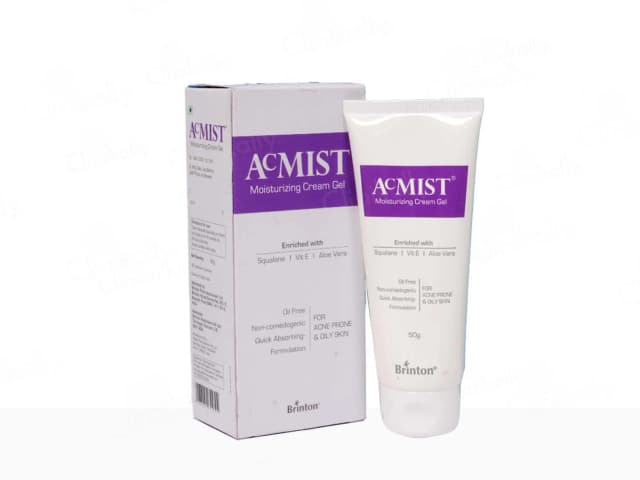
Brinton Pharmaceuticals Pvt Ltd - Cream - 15 G
Prescription required
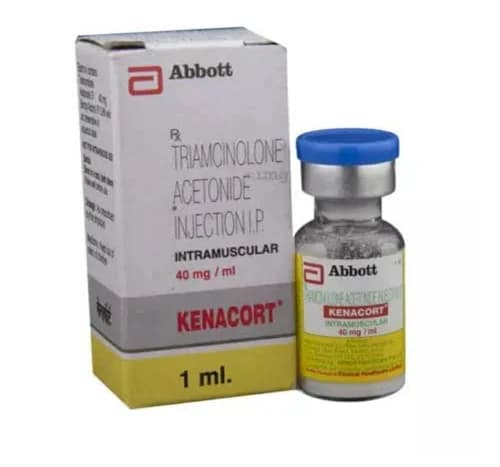
Abbott Healthcare Pvt Ltd - Vial - 40 mg - Vial
Prescription required
The information on Freeair Spray is compiled from the manufacturer's prescribing information and the sources below, and is reviewed by a registered medical practitioner. It does not replace advice from your own doctor.