
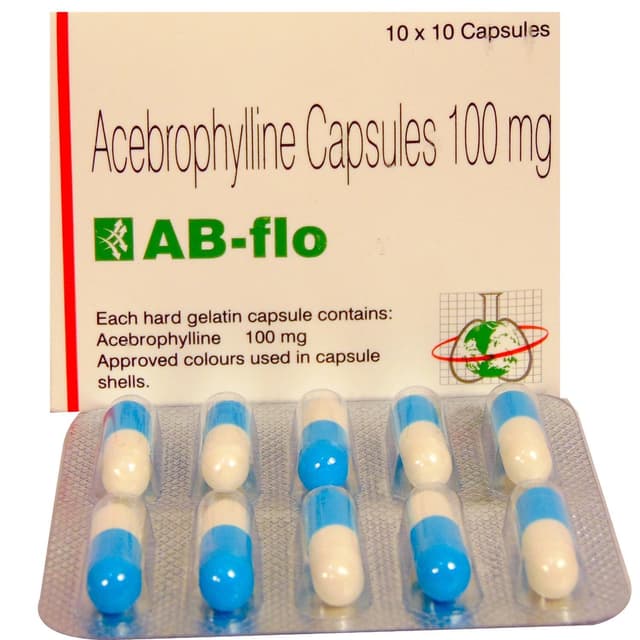
Ab Flo Caps
Lupin Lab - Capsule - 100mg - 15 S
₹292₹308
Save ₹16
Prescription required
Glimepiride (2mg) + Metformin (500mg) + Vitamin D3 (400IU)
Currently out of stock
Tell us and we will let you know when it is back, or ask a pharmacist on WhatsApp.
We'll let you know the moment Gluconorm G2D Tablet is back in stock.
Gluconorm G2D Tablet is used for gluconorm G2 D Tablet SR is used in the treatment of diabetes.
Medically reviewed by Dr. Balaji Krishnan, MBBS · Updated September 2026
Gluconorm G2D Tablet contains Glimepiride (2mg) + Metformin (500mg) + Vitamin D3 (400IU). It belongs to the Sulfonylurea, Biguanide and Vitamin D / calcium supplement class of medicines.
Gluconorm G2 D Tablet SR is used in the treatment of diabetes.
Gluconorm G2 D Tablet SR is a combination of three medicines: Glimepiride, metformin and vitamin D3. Glimepiride is a sulfonylurea which works by increasing the amount of insulin released by the pancreas in order to lower the blood glucose. Metformin is a biguanide which decreases the production and absorption of sugar in your body, and allows better use of existing insulin. Vitamin D is a nutrient which improves the body’s sensitivity to insulin. Together, they provide better control of blood sugar.
Take this medicine in the dose and duration as advised by your doctor. Swallow it as a whole. Do not chew, crush or break it. Gluconorm G2 D Tablet SR is to be taken with food.<br>Gluconorm G2 D Tablet SR may cause stomach upset if taken on empty stomach.
Take it exactly as your doctor prescribed. Do not change the dose or stop early on your own.
Take it as soon as you remember. If your next dose is almost due, skip the one you missed — never take two doses together to catch up.
An overdose of this medicine can cause severe and prolonged low blood sugar, which may lead to fits or unconsciousness. It can cause a dangerous build-up of acid in the blood, with vomiting, severe weakness and laboured breathing. It can raise blood calcium dangerously, causing thirst, frequent urination, vomiting, confusion and kidney damage. Do not wait for symptoms to appear — go to the nearest emergency department and take the pack or strip with you.
Most side effects of Gluconorm G2D are mild and settle as the body adjusts. Reported side effects include:
Stop the medicine and seek help immediately for a rash, swelling of the face or lips, wheezing or difficulty breathing. Tell your doctor about any side effect that persists or worries you.
| Pregnancy | Gluconorm G2 D Tablet SR may be unsafe to use during pregnancy.<br>Animal studies have shown adverse effects on the foetus, however, there are limited human studies. The benefits from use in pregnant women may be acceptable despite the risk. Please consult your doctor. |
|---|---|
| Breastfeeding | Gluconorm G2 D Tablet SR is probably safe to use during lactation. Limited human data suggests that the drug does not represent a significant risk to the baby. |
| Alcohol | Taking metformin with alcohol can cause lactic acidosis and you may experience malaise, respiratory distress, slow or irregular heartbeat, sleepiness, stomach upset, or other unusual symptoms. |
| Driving | May cause drowsiness or affect your concentration. Do not drive until you know how it affects you. |
| Kidney | Gluconorm G2 D Tablet SR is probably safe to use in patients with kidney disease. Limited data available suggests that dose adjustment of Gluconorm G2 D Tablet SR may not be needed in these patients. Please consult your doctor. |
| Liver | Gluconorm G2 D Tablet SR is probably safe to use in patients with liver disease. Limited data available suggests that dose adjustment of Gluconorm G2 D Tablet SR may not be needed in these patients. Please consult your doctor. |
| Habit forming | No |
If you feel shaky, sweaty, confused or unusually hungry, take sugar, glucose or a sweet drink at once and tell your doctor — these are signs your blood sugar has fallen too low. Do not skip meals while on this medicine — a missed meal is the commonest cause of a low-sugar episode. Carry glucose, sugar or sweets with you, and tell the people you live and work with what a low-sugar episode looks like. Older people and people with kidney trouble are more likely to have low sugar, and may need a smaller dose. Stomach upset is common in the first two weeks and usually settles; taking it with food helps. Tell your doctor before any surgery or a scan that uses contrast dye — this medicine is usually stopped for a short time around them. Stop and seek urgent care if you develop deep rapid breathing, severe weakness, muscle pain or vomiting with cold clammy skin. This is rare but serious. Long-term use can lower vitamin B12, so your doctor may check it from time to time. Do not take more than your doctor has advised. Vitamin D builds up in the body and too much raises blood calcium, causing thirst, frequent urination, nausea and confusion. High-dose weekly or monthly sachets are prescription strengths — do not repeat one because you missed a week. Tell your doctor if you have had kidney stones or have kidney disease.
Not for anyone with a known allergy to this medicine or to any ingredient in the pack. Not for type 1 diabetes or for diabetic ketoacidosis. Not for people with severe kidney or liver disease. Not for people with severe kidney disease, severe liver disease, or an acute illness causing dehydration. Not for people who have had diabetic ketoacidosis. Not for people with a high blood calcium level, or with certain kidney stones.
Many medicines change how strongly this works — tell your doctor about aspirin, blood thinners, antifungals, sulfa antibiotics and beta blockers in particular. Beta blockers can mask the warning signs of low blood sugar. Tell your doctor about water tablets, steroids, and any contrast dye scan. Alcohol increases the risk of the rare acid build-up and should be limited. Calcium reduces the absorption of thyroid tablets, several antibiotics and iron — separate them by a few hours. Water tablets of the thiazide group raise calcium further when combined.
Store below 30°C in the original pack, away from direct sunlight and moisture. Keep out of the reach of children.
Take it shortly before a meal, and eat that meal. Check your sugar as often as your doctor has asked, especially when your routine changes. Take it with or just after food to reduce stomach upset. Keep taking it even when your sugar readings look normal — that is the medicine working. Continue your diet and physical activity; this medicine works alongside them, not instead of them. Take calcium with food, and split the day's total if you take a large amount. Sunlight helps your body make its own vitamin D. Have your level rechecked as your doctor advises rather than continuing high doses indefinitely.
Lupin Lab - Capsule - 100mg - 15 S
Save ₹16
Prescription required
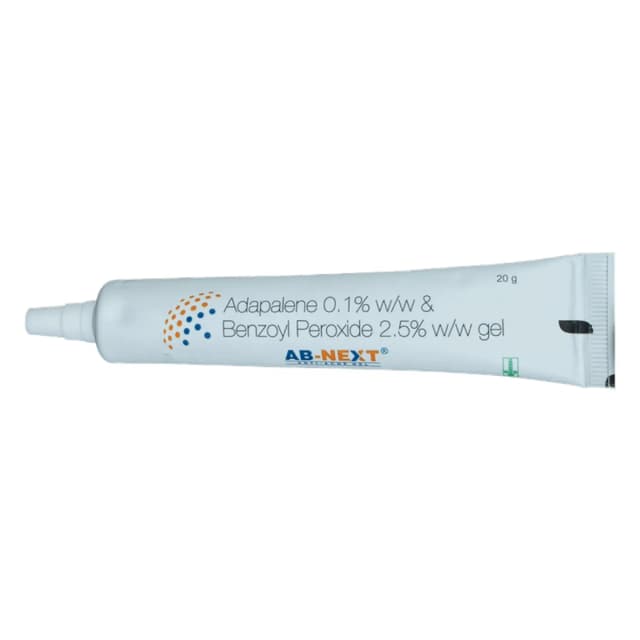
Lupin Lab - Gel - 20 G
Save ₹24
Prescription required
Lupin Lab - Tablet - 10 S
Save ₹14
Prescription required
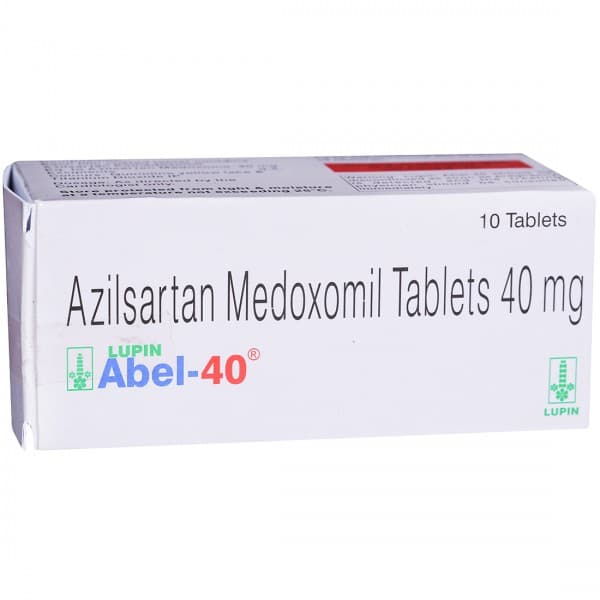
Lupin Lab - Tablet - 40 mg - 10 S
Save ₹9
Prescription required
Lupin Lab - Tablet - 80 mg - 10 S
Save ₹13
Prescription required
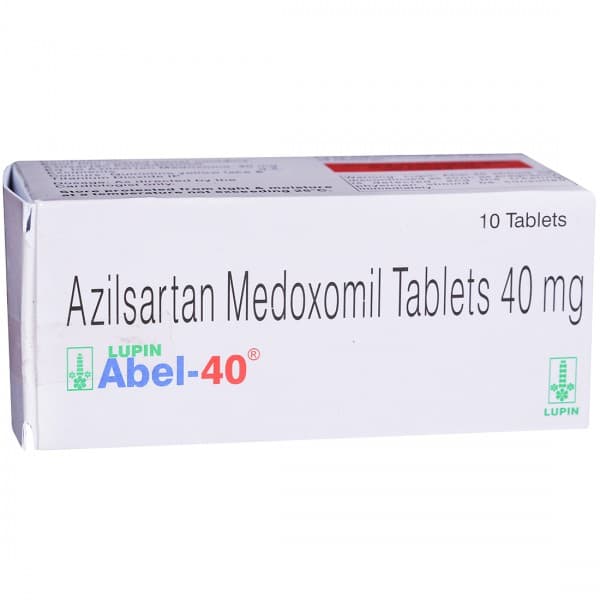
Lupin Lab - Tablet - 40mg + 12.5mg - 10 S
Save ₹8
Prescription required
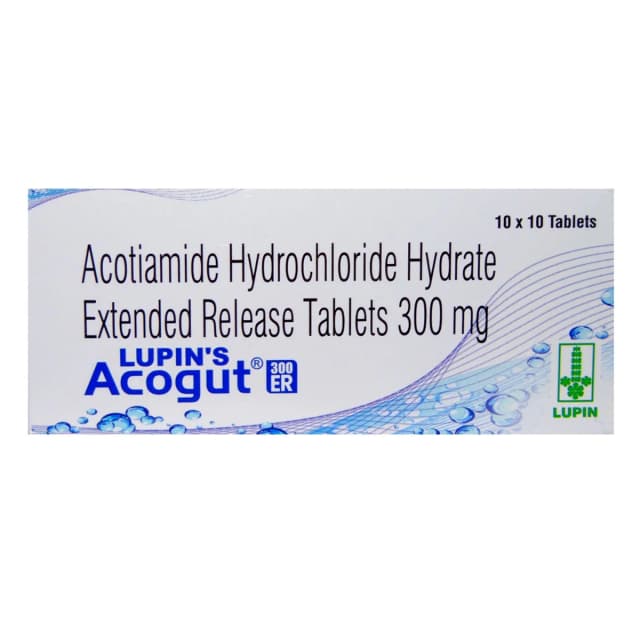
Lupin Lab - Tablet - 300mg - 10 S
Save ₹27
Prescription required

Lupin Lab - Tablet - 15 S
Save ₹16
Prescription required
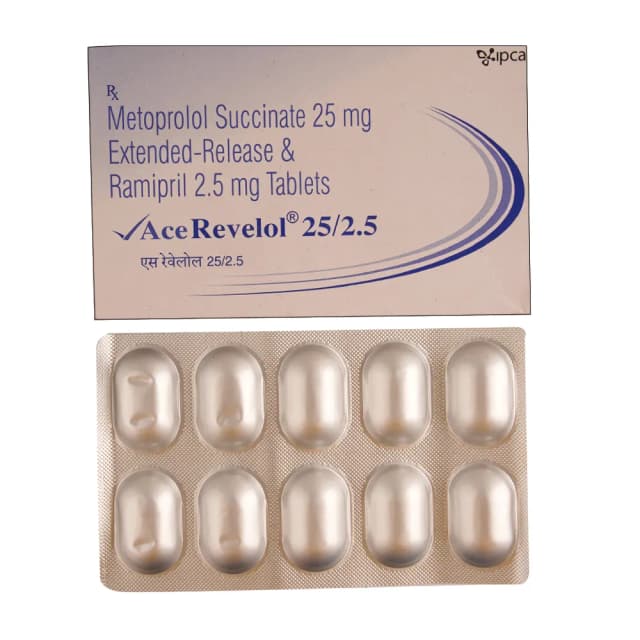
IPCA Laboratories Ltd - 10 S
Save ₹12
Prescription required
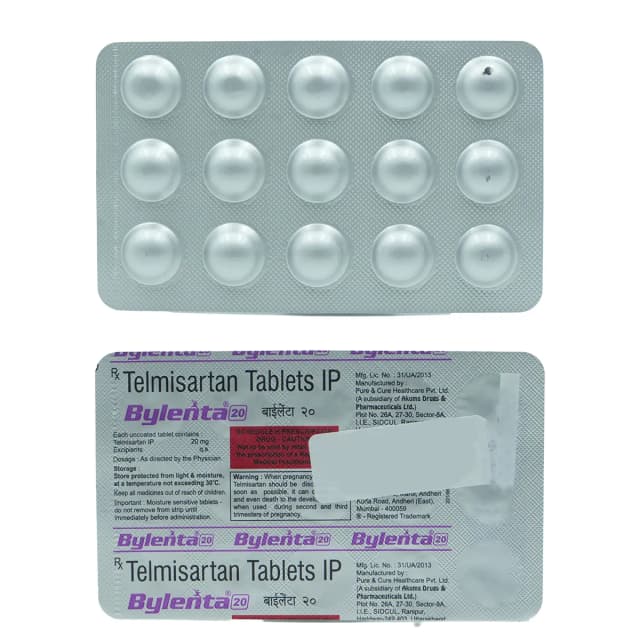
Lloyd Healthcare - Tablet - 40mg + 10mg - 10 S
Save ₹10
Prescription required
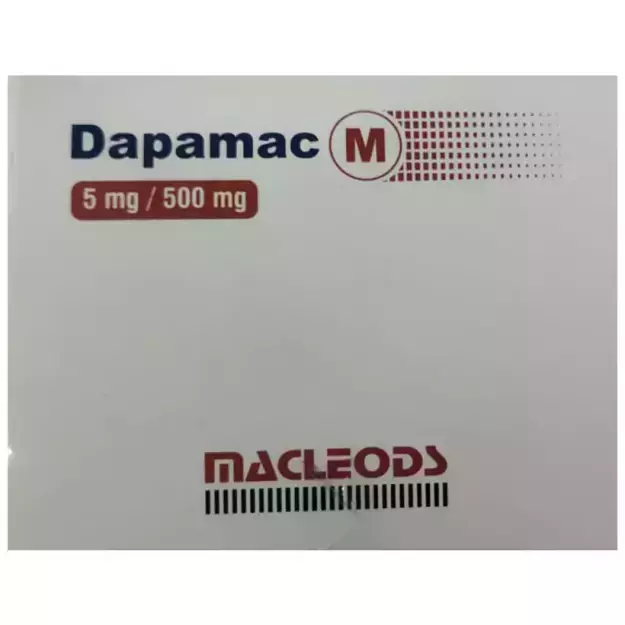
Shrrishti Healthcare Products(I) Pvt Ltd - Tablet - 500mg + 10mg - 10 S
Save ₹5
Prescription required
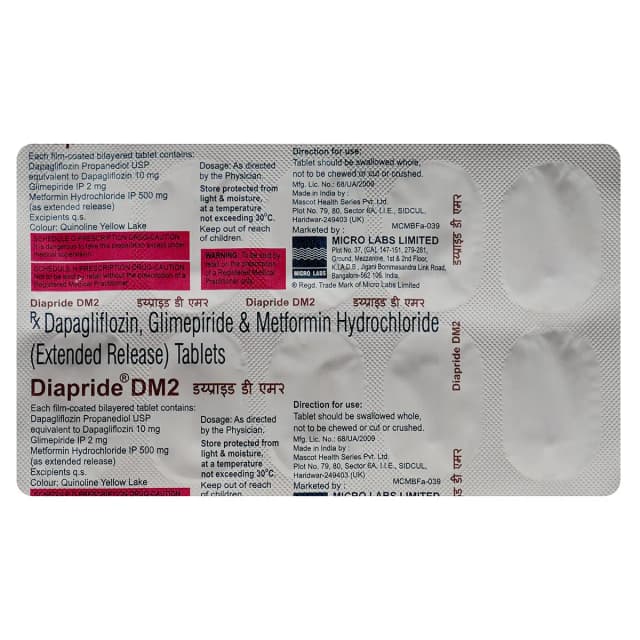
Micro Labs - Tablet - 2mg + 1000mg + 10mg - 10 S
Save ₹8
Prescription required
Lupin Lab - 3 ml
Save ₹74
Prescription required
Lividus Pharmaceuticals Pvt Ltd. - Tablet - 10mg + 5mg - 10 S
Save ₹7
Prescription required
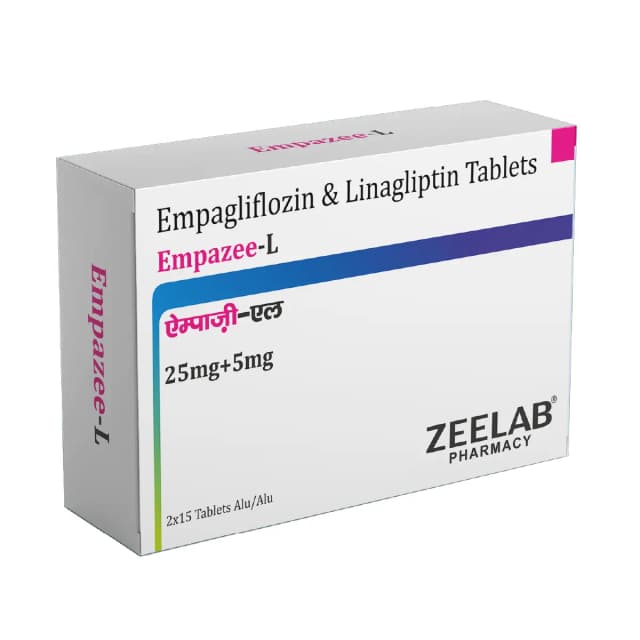
Verse Lifesciences - Tablet - 25mg + 5mg - 10 S
Save ₹6
Prescription required
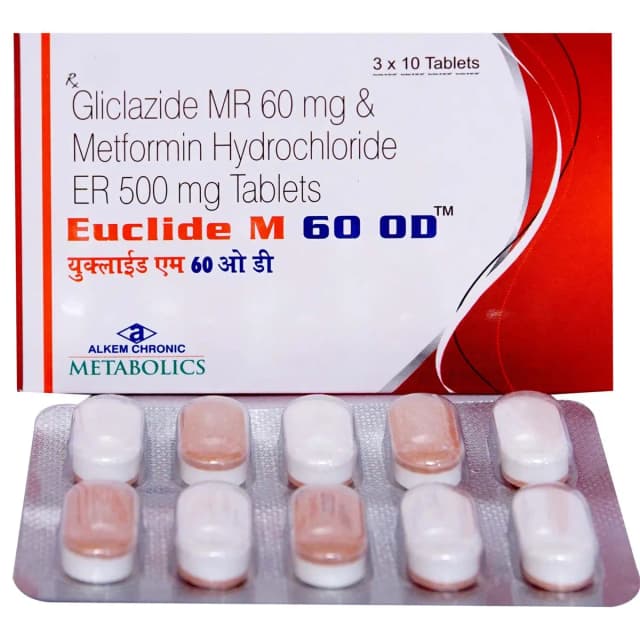
Alkem Lab - Tablet - 500mg + 60mg - 10
Save ₹8
Prescription required
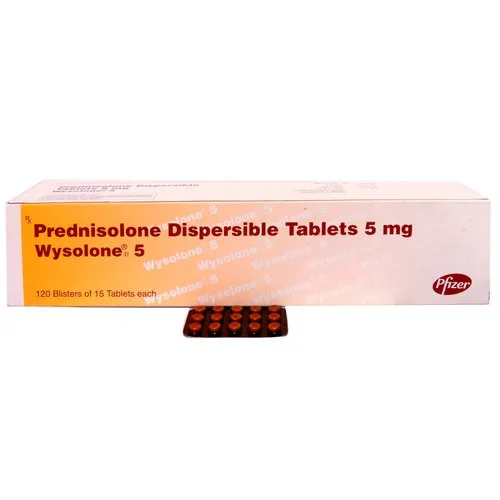
Pfizer Ltd - Tablet - 15 Tablet
Save ₹1
Prescription required
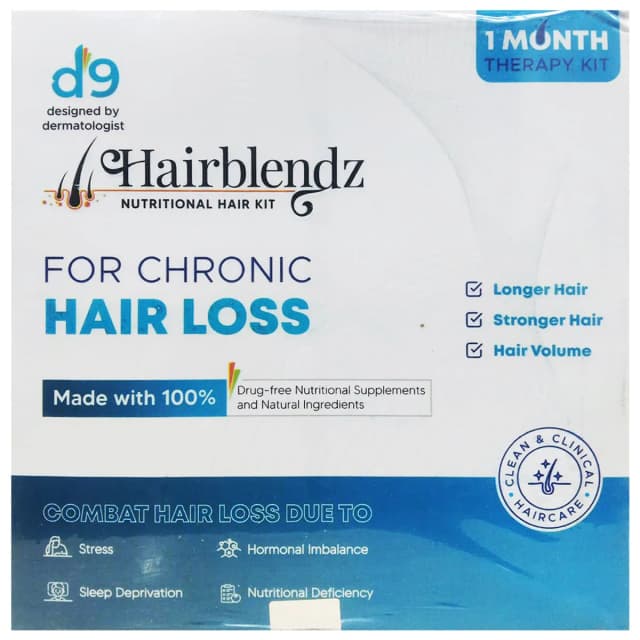
D9 Healthcare Llp - Kit
Save ₹83
12 G
1*1
Save ₹90
100 S
Funplay - 1*3*30
Save ₹2
1
Save ₹52
1
The information on Gluconorm G2D Tablet is compiled from the manufacturer's prescribing information and the sources below, and is reviewed by a registered medical practitioner. It does not replace advice from your own doctor.